How to Verify a Hard Money Lender in Texas: NMLS and State License Guide
June 10, 2026
Introduction
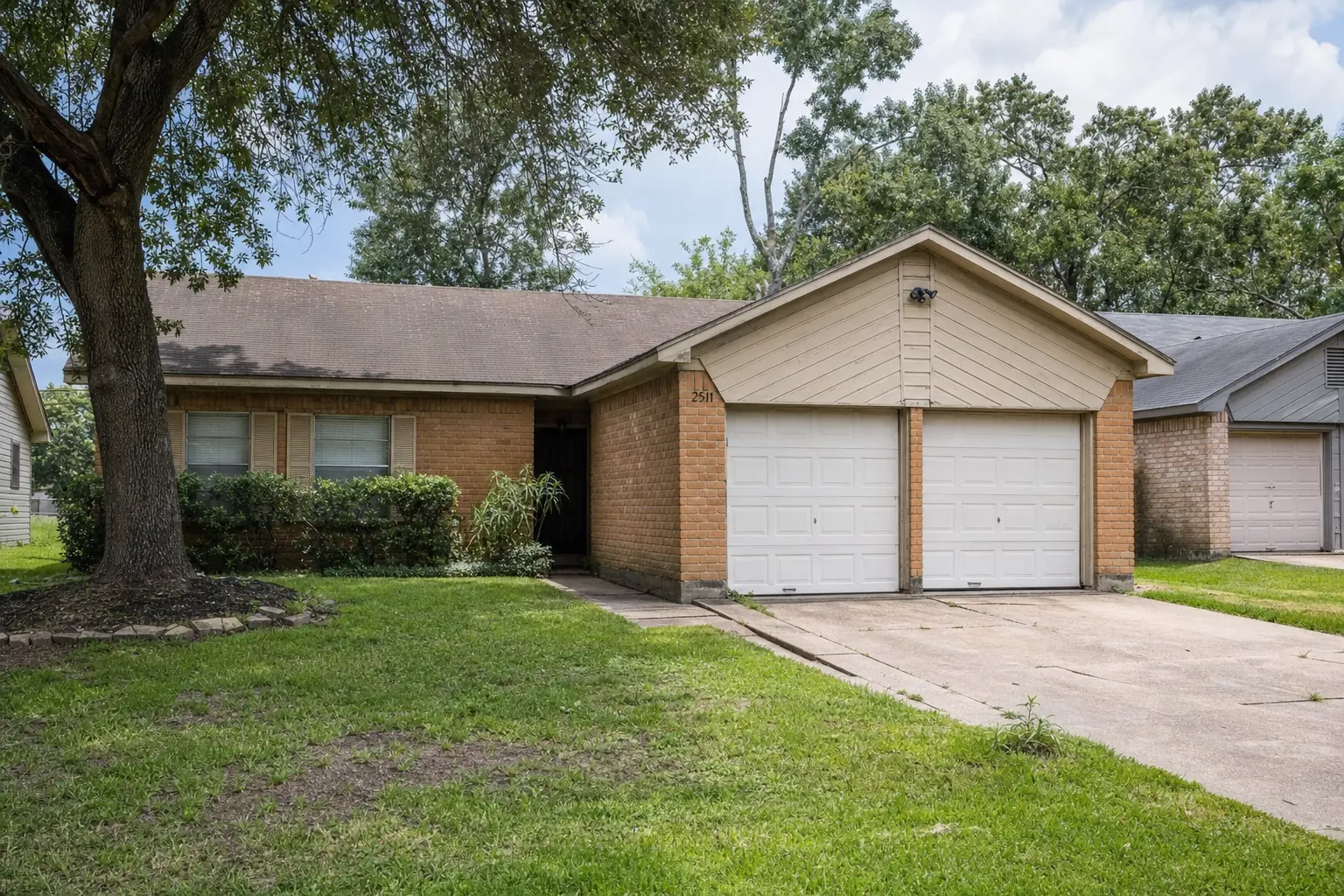
With neighborhood-specific rental markets from The Heights to Montrose requiring different due diligence approaches, Texas borrowers should verify whether their hard money lender understands local property valuations and rehab costs. Houston attracts both local direct lenders and national companies claiming Texas expertise while offering different underwriting approaches and timeline capabilities.
Business-purpose hard money lending operates under different Texas regulations than residential mortgage lending. Borrowers benefit from confirming lender experience with their specific property type and local market conditions rather than assuming broad Texas presence equals Houston competence. The absence of universal licensing requirements makes thorough verification especially critical for protecting your investment capital.
Does Texas Require a License?
Texas does not require a mortgage license for business-purpose hard money loans on non-owner-occupied investment properties. The state's residential mortgage licensing framework focuses on loans primarily for personal, family, or household use secured by residential real estate. Investment property loans typically fall outside this definition.
Consumer or owner-occupied residential mortgage activity operates under different licensing requirements. Lenders originating residential mortgages to homeowners must comply with state licensing through the Texas Department of Savings and Mortgage Lending. They must also register through the Nationwide Multistate Licensing System (NMLS).
Business-purpose lending for fix-and-flip projects, rental property acquisitions, or commercial investments in Houston generally does not trigger the same licensing requirements as consumer mortgage origination. However, borrowers should verify licensing requirements for their specific loan type and lender structure.
Some lenders hold licenses or registrations beyond what Texas requires for business-purpose lending. Others operate as brokers connecting borrowers to licensed lenders. Direct lenders and mortgage brokers have different operational structures and regulatory obligations that affect your loan terms and closing process.
Licensing requirements can vary based on loan structure, property type, borrower profile, and lender business model. Certain loan structures that include owner-occupied components or consumer features may trigger additional licensing requirements even for investment properties. Borrowers should confirm their lender's appropriate licensing or registration status before proceeding with any loan application. The absence of a universal licensing requirement does not eliminate the need for borrower verification of lender credentials and business registration.
What to Check Instead of (or In Addition to) NMLS
Most hard money lenders in Texas operate without NMLS numbers since business-purpose lending typically falls outside state mortgage licensing requirements. Houston borrowers need verification methods that confirm legal business identity and operational legitimacy before committing capital or earnest money.
Check the Texas Secretary of State business search to verify legal entity status and registration. Active status indicates current good standing with basic state filing requirements. This search reveals the company's legal name, registered agent, formation date, and current status. Match this information against what the lender has provided in loan documentation.
Determine whether your potential lender acts as a direct lender using its own capital or as a broker arranging loans through third-party funding sources. Direct lenders make underwriting decisions and fund from their balance sheet or warehouse line. Brokers connect borrowers with capital providers and may charge separate fees for that service. Understanding this distinction affects your fee structure and closing timeline expectations.
Contact the Texas Department of Savings and Mortgage Lending for regulatory context about your specific loan type. While business-purpose investment loans generally avoid residential mortgage licensing, consumer protections and disclosure requirements can vary based on property use and borrower circumstances. Ask specifically about any regulations that might apply to your transaction type.
Review all contract documentation for completeness before signing letters of intent or application materials. Hard money agreements should specify loan amount, interest calculation method, points structure, draw procedures for rehab projects, property insurance requirements, and default remedies. Request references from recent borrowers in similar Houston neighborhoods.
Verify the lender's physical business address through independent sources rather than relying solely on website contact information. Check commercial real estate databases or contact building management to confirm occupancy.

Red Flags to Watch For
Avoid any lender requesting upfront fees before providing a written loan commitment or letter of intent. Legitimate lenders typically charge fees at closing or through the loan process, not as advance payments for loan review or approval consideration. Application fees or processing fees collected before underwriting begins often signal predatory practices.
Verify the lender's business identity through official Texas Secretary of State records and confirm they maintain a physical business address. Companies operating solely through P.O. boxes, shared office spaces, or refusing to provide verifiable contact information present unnecessary risk. Houston borrowers should be cautious of lenders using generic Texas addresses without demonstrable local presence or answering services instead of direct staff contact.
High-pressure tactics represent another serious concern. Lenders demanding immediate decisions, discouraging comparison shopping, or creating artificial urgency around loan terms often lack competitive advantages worth rushing toward. Legitimate companies understand property acquisition timelines and typically provide reasonable decision periods for borrower review. Be especially wary of lenders who discourage you from reviewing contracts with legal counsel.
Be particularly wary of lenders unfamiliar with Houston neighborhood-specific property values. Companies claiming expertise across The Heights, Montrose, Midtown, and other Houston submarkets without demonstrating actual local transaction history may struggle with accurate valuations. Such inexperience can lead to funding delays, inappropriate loan sizing, or unrealistic after-repair value assessments that complicate your investment timeline and exit strategy.
Document any promises made during initial conversations and confirm them in writing before proceeding. Verbal commitments about rates, terms, or timelines that aren't reflected in formal documentation create unnecessary disputes during closing.
How to Use NMLS Consumer Access
When a hard money lender provides an NMLS number, NMLS Consumer Access serves as your primary verification resource. The federal database tracks mortgage company licenses, registrations, and regulatory actions across all states. This verification becomes especially important when lenders hold licenses for some activities but not others.
Visit the NMLS Consumer Access website and enter the lender's NMLS ID number in the search field. The system displays the entity's current license status, authorized business activities, and any regulatory actions or complaints. Pay attention to whether the status shows as "active" or "inactive" - active status indicates current good standing with regulators.
If the lender hasn't provided an NMLS number, search by company name instead. Enter the exact business name as it appears on loan documents or marketing materials. The database may return multiple results, so verify you're reviewing the correct entity by cross-referencing the business address and ownership information. Some companies operate multiple entities with similar names.
Review the entity information section carefully. The section shows the legal business name, physical address, and authorized activities. For Houston-area lenders, confirm the address matches what the lender has provided and check whether their authorized activities align with the loan products they're offering you. Mismatches between authorized activities and actual loan products can indicate compliance problems.
Understanding license status helps you distinguish between direct lenders and brokers. Direct lenders typically hold lending licenses, while brokers hold origination licenses and connect borrowers with funding sources. Both models can work, but knowing the difference helps you ask better questions about funding sources and fee structures.
Check the regulatory actions tab for any disciplinary history, fines, or complaints. Patterns of consumer complaints or serious regulatory violations warrant additional scrutiny before proceeding. Pay special attention to recent enforcement actions within the past two years.

Before You Call Any Lender
Request specific details about the lender's Houston market experience. Ask which neighborhoods they actively finance and whether they understand property values in areas like The Heights, Midtown, and Montrose. Prepare timeline questions about their appraisal process, documentation requirements, and realistic closing schedules. Have questions ready about rehab budget handling and ARV assessment methods for your specific property type and investment strategy.
Additional resources: Houston providers, provider directory, comparison guide, https://www.nmlsconsumeraccess.org/, Texas regulator.