Veristone Capital
Seattle, WA
bridgecommercialconstructionfix flip
- Trust Label
- Verified Business
- Reviews
- 3.3 composite
- States
- Lends in 5 states
- Close Time
- Ask lender
Seattle, WA
Seattle, WA
Seattle, WA
Seattle, WA
Seattle, WA
Seattle, WA
Seattle, WA
Seattle, WA
Seattle, WA
Seattle, WA
Seattle, WA
Seattle, WA
Seattle, WA
Seattle, WA
Seattle, WA
Seattle, WA
Seattle, WA
Seattle, WA
Seattle, WA
Seattle, WA
HardMoneySearch.com is an informational directory. We are not a lender. Listings do not constitute endorsements. Verify all lender credentials via NMLS Consumer Access before entering any loan agreement.
Seattle hard money lending differs from other markets due to specialized collateral assessment requirements. Ballard Craftsman homes need lenders familiar with historical renovation costs and permit complexities. Capitol Hill ADU projects require understanding of owner-occupancy regulations that affect rental income projections.
High land values throughout Puget Sound create loan-to-value calculation challenges that generic lenders often miscalculate. Queen Anne condos carry different appraisal considerations than West Seattle single-family rehabs or Beacon Hill value-add properties. Wedgwood residential projects present distinct neighborhood factors that affect investment viability.
ADU and DADU regulations add due diligence layers for construction loans and bridge financing. Seattle's accessory dwelling unit rules include owner-occupancy provisions that limit short-term rental strategies. These regulatory factors directly impact underwriting assumptions and exit strategy feasibility for investor borrowers seeking specialized financing solutions.
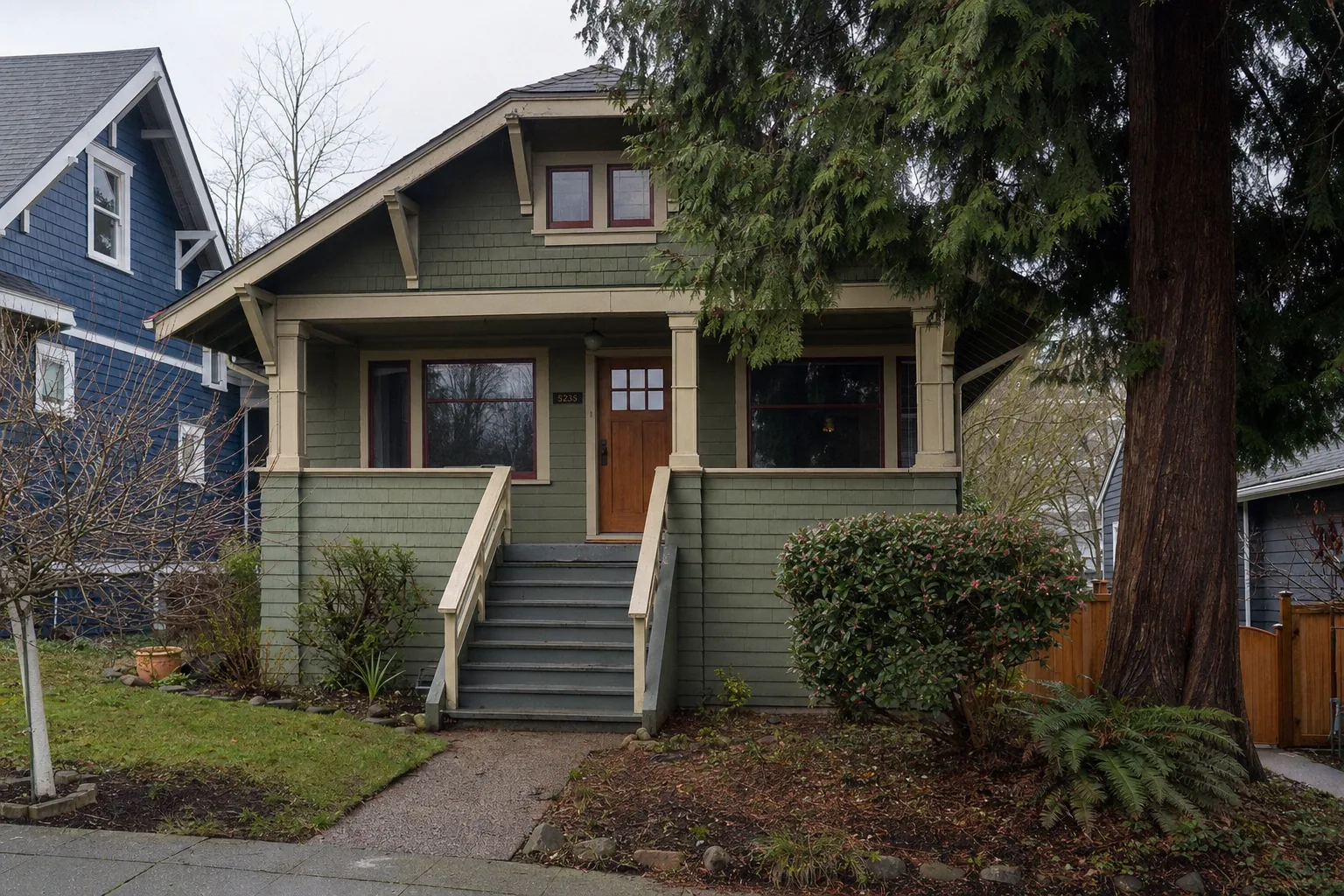
Craftsman renovation investors drive significant Seattle hard money activity. These borrowers target older homes in Ballard, Queen Anne, and West Seattle requiring specialized financing that conventional lenders cannot accommodate on investor timelines. Craftsman projects involve structural considerations and permit requirements that extend beyond standard rehab parameters.
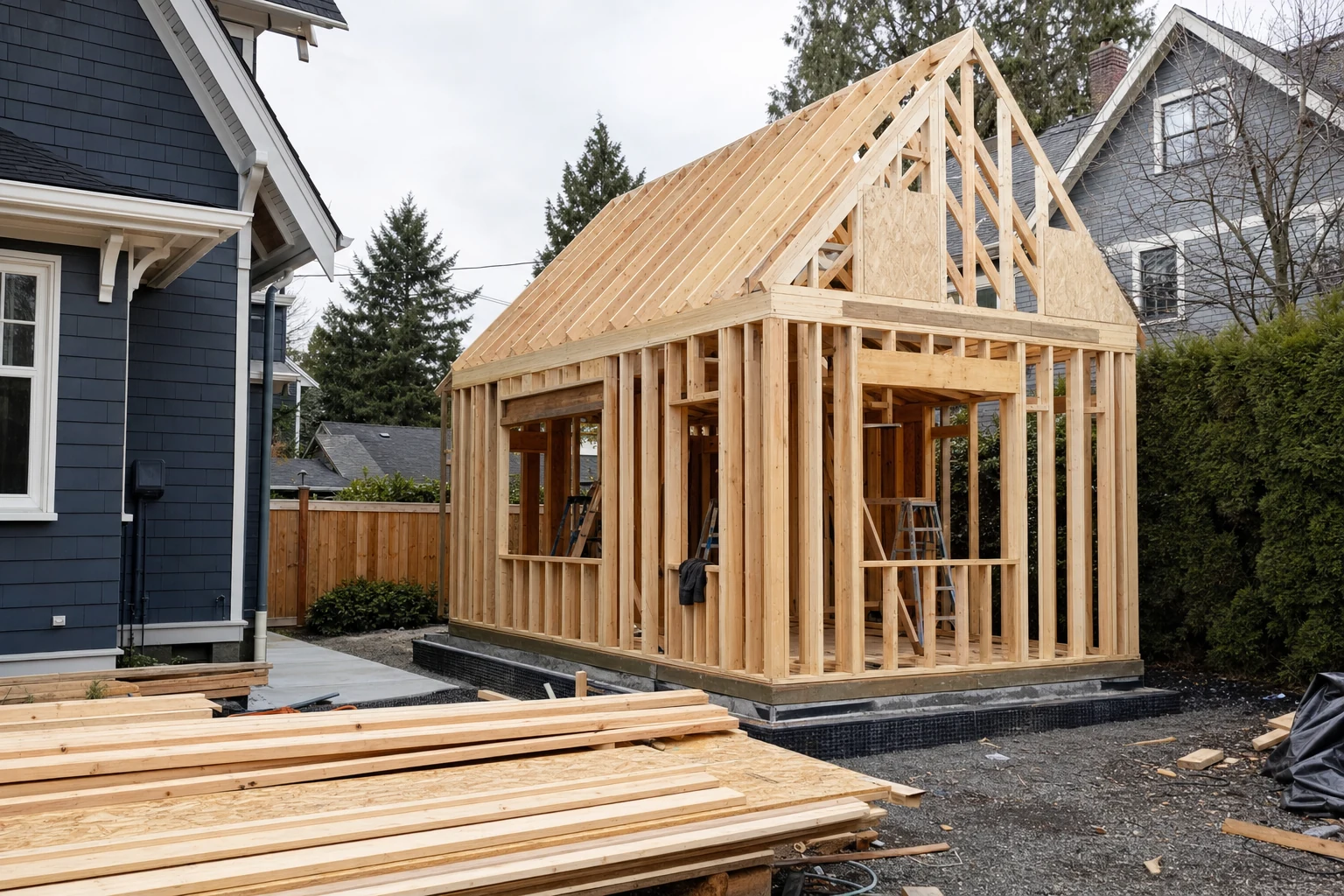
DADU construction represents another major borrower category. Investors building detached accessory dwelling units address local zoning rules while accessing short-term financing for these specialized projects. Seattle's owner-occupancy requirements for ADUs affect financing structures and borrower qualification criteria.
Bridge financing supports portfolio expansion and new construction across Seattle submarkets. Investors use short-term loans to acquire properties in Beacon Hill, Wedgwood, and Capitol Hill before permanent financing becomes available. These borrowers often need quick closings to compete in Seattle's competitive investment market.
Executive rental investors focus on high-end properties targeting tech workers and visiting professionals. These borrowers often target Eastside locations where short-term rental regulations create fewer operational constraints than Seattle proper. Premium rental potential justifies higher acquisition costs when borrowers can access appropriate financing terms.
Cash-out refinancing supports value-add strategies and portfolio leverage adjustments. Investors extract equity from completed projects to fund additional acquisitions or major renovations requiring substantial capital deployment across multiple properties simultaneously.
Seattle lenders must understand ADU regulatory complexities that extend beyond standard investment property underwriting. DADU projects require knowledge of detached accessory dwelling unit rules, particularly owner-occupancy requirements that affect short-term rental income projections. Lenders lacking this local expertise may structure inappropriate terms or misjudge project feasibility.
High land values create specialized collateral assessment demands across Seattle neighborhoods. Queen Anne, Capitol Hill, West Seattle, and Ballard each present distinct renovation cost structures and market dynamics. Lenders need Puget Sound experience to properly evaluate loan-to-cost ratios and project viability for neighborhood-specific investments.
Craftsman renovation underwriting involves structural considerations absent from standard residential rehabs. These properties require specialized contractors, period-appropriate materials, and extended permit processes that affect project timelines and budgets. Lenders must coordinate draw inspections with Seattle's construction approval requirements and understand how regulatory delays impact loan performance.
Property valuation expertise matters when comparing teardown opportunities against renovation projects or evaluating executive rental potential. Seattle's micro-neighborhood variations require understanding of transit access, employment proximity, and zoning changes that affect investment returns. Generic appraisal approaches miss local value drivers that determine project success.
Construction management experience becomes critical for complex projects involving historical preservation requirements or ADU construction with separate utility connections and foundation work.
Rates, points, loan-to-value limits, ARV limits, fees, and days-to-close are informational ranges only when sourced. They are not guarantees, quotes, commitments to lend, or financial advice. Actual terms vary by lender, borrower qualifications, property type, leverage, location, and underwriting review. Seattle hard money pricing reflects specialized underwriting requirements and high-value collateral considerations. Interest rates typically range from 8% to 18% annually, with origination points spanning 1% to 5% of loan amount. This figure is illustrative only, not a quote or guarantee. These ranges vary significantly based on borrower experience, property complexity, and project timeline requirements. Craftsman renovations and DADU construction often command premium pricing due to specialized contractor requirements and extended permit processes. Ballard rehabs requiring historical preservation compliance may price differently than straightforward rental property refinancing. Lenders assess total project complexity when determining rate and point structures. Loan-to-value ratios commonly range from 65% to 80% for rehab projects, though ARV-based calculations depend on individual lender methodology and neighborhood expertise. This figure is illustrative only, not a quote or guarantee. Terms typically span 6 to 36 months with extension options available for construction delays or permit processing complications. Total project cost extends beyond interest rates. Construction draw fees, inspection charges, extension penalties, and prepayment provisions affect actual borrowing expenses. Some lenders include interest reserves while others require borrower-funded payments throughout the loan term. Compare detailed cost breakdowns from multiple lenders before committing to specific terms. Each lender's capital source and risk assessment creates different pricing approaches for identical Seattle projects.
Washington State does not require mortgage licenses for business-purpose investment property loans, making lender verification dependent on operational quality rather than regulatory compliance checkboxes. The Washington Department of Financial Institutions oversees mortgage brokers and consumer loan companies, but standard hard money loans on non-owner-occupied properties typically operate outside residential lending regulations.
NMLS Consumer Access provides verification when lenders maintain active registration. Search by company name or NMLS identification number to confirm licensing status, complaint history, and regulatory actions. Washington-licensed entities appear in this database, though many legitimate hard money providers operate without NMLS requirements.
Owner-occupied scenarios create regulatory distinctions. Consumer Loan Act provisions may apply when business loans are secured by primary residences, particularly relevant for DADU construction where owner-occupancy intersects with investment financing. Contact the Washington Department of Financial Institutions directly for specific licensing clarification.
Request documentation of errors and omissions insurance, business registration, and recent client references from potential lenders. Professional liability coverage and established business addresses indicate operational legitimacy beyond formal licensing requirements. Transparent fee structures and detailed loan terms demonstrate professional lending standards.
Physical business presence in Washington or extensive Seattle market experience suggests operational capability for local project management and draw coordination. Lenders should demonstrate familiarity with Seattle permitting processes, contractor networks, and neighborhood market conditions that affect successful project completion.
Seattle ADU and DADU projects typically qualify for hard money construction financing with specialized underwriting requirements. Lenders evaluate these deals differently than standard rehabs because accessory dwelling unit regulations affect rental income projections and refinancing options. Seattle requires specific owner-occupancy scenarios that impact both loan structuring and exit strategy viability.
DADU construction involves detached structures requiring separate permits, utility connections, and foundation work through Seattle Department of Construction and Inspections coordination. Hard money lenders require detailed construction budgets, experienced contractor credentials, and structured draw inspection processes. Loan amounts depend on projected combined property values including completed accessory units, requiring appraisers familiar with Seattle ADU comparable sales.
Short-term rental restrictions complicate income projections since Seattle requires owner-occupancy for ADU rentals under 30 days. Construction timelines matter because permit processing can extend project schedules beyond typical 12-24 month loan terms, potentially triggering extension fees. For Seattle borrowers, the practical next step is to confirm the property details, timeline, exit plan, and documentation before comparing lender conversations.
Seattle's short-term rental regulations create specific underwriting considerations for hard money lenders evaluating investment property cash flow projections. Owner-occupancy requirements for ADU short-term rentals limit income potential and affect loan qualification criteria. Lenders must evaluate whether borrowers can meet occupancy requirements or should plan long-term rental strategies instead.
Primary dwelling short-term rentals face registration requirements and annual rental day limitations that affect income calculations. Hard money lenders require realistic projections accounting for regulatory caps rather than year-round availability assumptions. Properties in Capitol Hill or Ballard may attract short-term rental demand but need exit strategies compatible with Seattle's regulatory framework.
Compliance violations can impact property values and permanent refinancing options. Some lenders avoid properties with active short-term rental income, preferring traditional rental or owner-occupancy scenarios with fewer regulatory complications. For Seattle borrowers, the practical next step is to confirm the property details, timeline, exit plan, and documentation before comparing lender conversations. For Seattle borrowers, the practical next step is to confirm the property details, timeline, exit plan, and documentation before comparing lender conversations.
Craftsman renovations involve preservation requirements and specialized contractor needs that affect hard money underwriting assumptions. These properties feature original architectural details requiring restoration rather than replacement, creating higher material costs and extended timelines. Renovation budgets must account for period-appropriate techniques and experienced craftsmen familiar with historical restoration standards.
Foundation, electrical, and plumbing systems in Craftsman homes frequently need comprehensive modernization beyond typical rehab scopes. Knob-and-tube wiring, galvanized plumbing, and pier-and-beam foundations require specialized contractors and extended permit coordination. Draw inspection processes may involve specialists familiar with Seattle building codes for older housing stock.
Market premiums for authentic Craftsman features require renovation approaches that enhance rather than diminish architectural character. ARV calculations need appraisers experienced with renovated Craftsman comparable sales reflecting both neighborhood trends and architectural authenticity factors affecting Seattle buyer demand. For Seattle borrowers, the practical next step is to confirm the property details, timeline, exit plan, and documentation before comparing lender conversations. For Seattle borrowers, the practical next step is to confirm the property details, timeline, exit plan, and documentation before comparing lender conversations.
No. HardMoneySearch.com is an informational directory, not a lender, broker, underwriter, or loan approval service. The site is meant to help real estate investors understand common hard money lending terms, compare publicly available lender information, and find verification resources. It does not recommend any lender or decide whether a loan is suitable for your situation. Before entering any loan agreement, review written terms carefully, ask the lender direct questions about licensing and fees, and consult qualified legal, tax, or financial professionals when needed.
An NMLS ID is an identifier connected to the Nationwide Multistate Licensing System, which tracks many mortgage companies and loan professionals. Some hard money and private money lenders display an NMLS ID, especially when they make loans that fall under mortgage licensing rules. Business-purpose investment-property lending is not regulated the same way in every state, so an absent NMLS number is not automatically a red flag. When an NMLS ID is available, use NMLS Consumer Access to confirm the company name and license status. When it is not available, verify the lender through its state regulator where applicable, business registration, reviews, written terms, and direct questions to the lender.
No. Any rates, points, LTV limits, ARV limits, fees, or closing timelines shown on HardMoneySearch.com are informational only when sourced. They are not quotes, guarantees, commitments to lend, or financial advice. Actual loan terms vary by lender, borrower qualifications, property type, leverage, location, documentation, valuation, title, and underwriting review. A borrower comparing lenders should request written terms, ask which fees are due upfront, confirm whether rates or points can change before closing, and compare total cost rather than relying only on a headline rate. Verify lender licensing, written terms, and any state-specific requirements before relying on a quote or proposal.
Many hard money lenders offer fix-and-flip financing, but qualification depends on the borrower, the property, and the lender's underwriting rules. A lender may review the purchase price, rehab budget, estimated after-repair value, borrower experience, liquidity, credit profile, contractor plan, timeline, and exit strategy. Ask how draws are released, whether inspections are required, how interest is calculated, and what happens if the project takes longer than expected. Hard money can be useful for some investment projects, but it is typically more expensive than conventional financing and should be reviewed carefully before signing. Verify lender licensing, written terms, and any state-specific requirements before relying on a quote or proposal.
Start by confirming that the company has a professional website, a reachable phone number, a physical or service-area presence, and consistent business information across public sources. If the lender lists an NMLS ID or state license, verify it through NMLS Consumer Access or the relevant state regulator. In states where business-purpose investor lending does not generally require a mortgage license, ask the lender directly what authority it operates under and whether it brokers loans or lends its own capital. Review Google feedback, written loan terms, fees, draw schedules, default provisions, and payoff requirements before moving forward.
Contact multiple Seattle hard money lenders to compare draw processes, collateral evaluation experience, and neighborhood familiarity for your specific property type. Prepare detailed project timelines, renovation budgets, and exit strategies before initial lender conversations. Focus on providers demonstrating Seattle market experience rather than generic national companies lacking local expertise.
Choose lenders based on demonstrated experience with your property type and neighborhood rather than lowest advertised rates. Seattle's specialized market demands require operational expertise that generic providers cannot deliver effectively.
Additional resources: Seattle hard money lenders, hard money lender directory, how to choose a lender, NMLS Consumer Access, Washington State Department of Financial Institutions
HardMoneySearch forwards your inquiry to lenders in its network. We do not guarantee a response, placement, or specific lender match. Contact multiple lenders independently to compare terms.
Request lender information