Bosse Lending
Dallas, TX
bridgecommercialdscrfix flip
- Trust Label
- Verified Business
- Reviews
- 3.5 composite
- States
- TX
- Close Time
- Ask lender
Dallas, TX
Dallas, TX
Dallas, TX
Dallas, TX
Dallas, TX
Dallas, TX
Dallas, TX
Dallas, TX
Dallas, TX
Dallas, TX
Dallas, TX
Dallas, TX
Dallas, TX
Dallas, TX
Dallas, TX
Dallas, TX
Dallas, TX
Dallas, TX
Dallas, TX
Dallas, TX
Dallas, TX
Dallas, TX
HardMoneySearch.com is an informational directory. We are not a lender. Listings do not constitute endorsements. Verify all lender credentials via NMLS Consumer Access before entering any loan agreement.
Dallas hard money lending concentrates in two primary channels: local DFW lenders serving metro investors and national direct lenders operating across Texas. Local lenders dominate East Dallas fix-and-flip activity because they understand neighborhood-specific rehab budgets and contractor ecosystems.
East Dallas neighborhoods like Casa View, Lochwood, and Casa Linda attract investors seeking distressed properties with renovation upside. Local lenders familiar with these areas provide realistic draw schedules based on actual Dallas construction timelines and permit processes. They understand that older housing stock often requires foundation work, electrical updates, and HVAC replacement.
Urban-core areas including Uptown, Deep Ellum, Design District, and Victory Park generate different lending requirements. Properties in these neighborhoods command higher after-repair values but may need cosmetic updates, zoning compliance work, or condo association approvals. Local lenders adjust their underwriting for urban versus suburban property characteristics.
The lending landscape includes specialized products like DSCR rental financing for income properties and bridge loans for transitional scenarios. Dallas investors benefit from lenders who understand local rental markets, comparative sales data, and realistic holding costs across different neighborhoods.
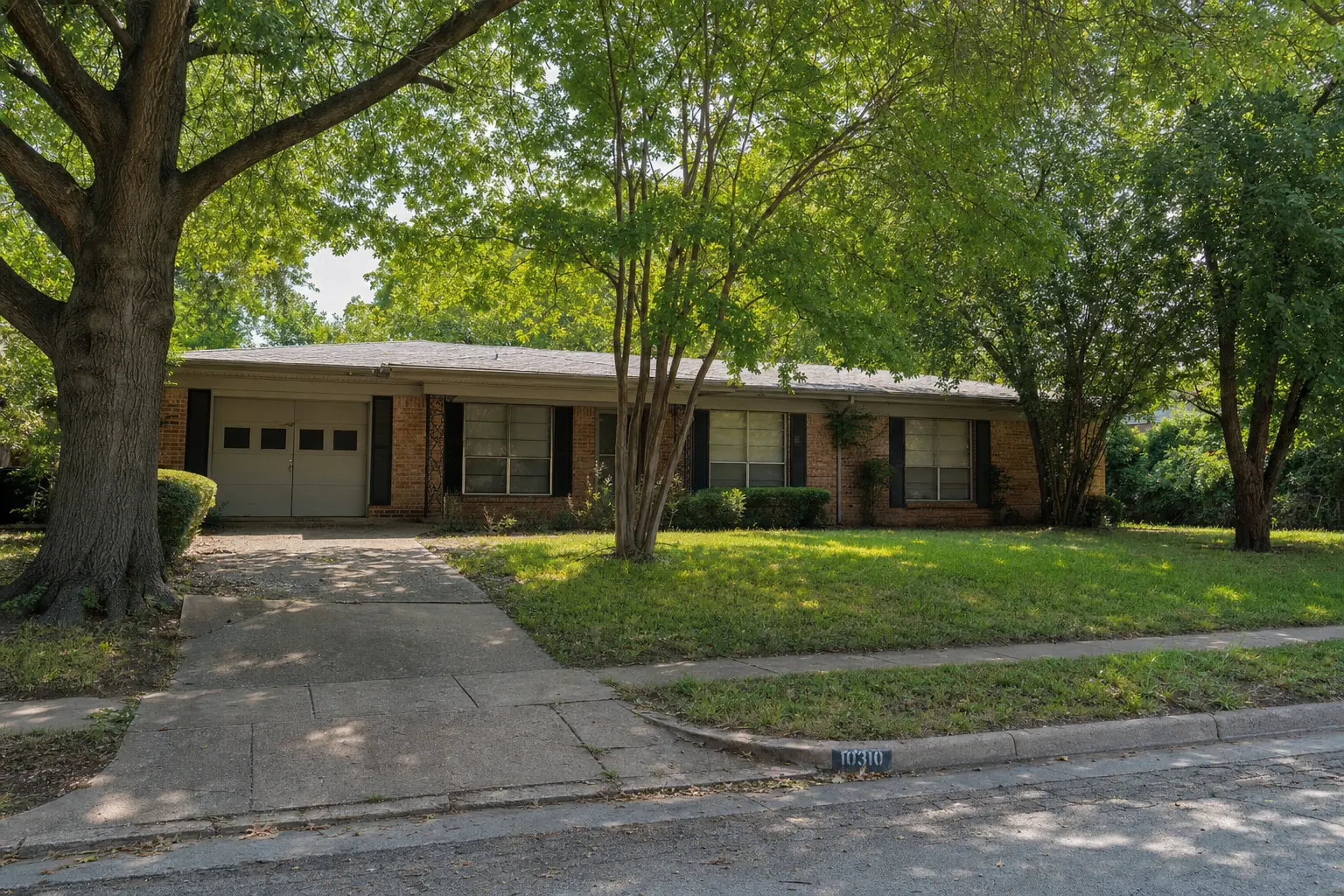
Fix-and-flip investors represent the largest borrower segment in Dallas hard money lending. They target dated inventory and distressed houses throughout the metro, particularly in East Dallas neighborhoods where renovation costs align with after-repair value projections. These investors need acquisition funding followed by renovation draws tied to contractor progress.
DSCR rental investors acquire single-family homes, condos, townhomes, and small multifamily properties as income-generating assets. This product serves investors whose debt-to-income ratios don't accommodate traditional mortgage approval but whose properties generate sufficient rental cash flow. The underwriting focuses on property income rather than borrower employment history.
Urban-core rental investors concentrate activity in Uptown, Deep Ellum, Design District, and Victory Park. They purchase condos, townhomes, and converted lofts for short-term or long-term rental strategies. These properties often require updated systems, cosmetic improvements, or compliance work before achieving target rental yields.
East Dallas investment spans neighborhoods like Lochwood, Casa View, and Casa Linda. Investors find single-family houses and small duplexes that benefit from strategic renovations. These areas offer entry-level pricing with renovation potential, though investors must analyze neighborhood rental demand and comparable sales carefully.
Bridge loan borrowers need temporary financing during property transitions, refinancing existing debt, or acquisition stabilization. Construction borrowers fund ground-up builds or major additions requiring coordinated draw schedules, permit management, and completion oversight.
Dallas lenders evaluate deals with neighborhood-specific knowledge that national operators lack. Local lenders understand that East Dallas distressed houses typically require comprehensive rehabilitation budgets, while urban-core condos may need targeted updates with higher after-repair value potential. They recognize contractor availability and permit timelines affecting draw schedules.
National lenders apply standardized underwriting without accounting for Dallas market conditions. They may underestimate renovation requirements in older neighborhoods or miscalculate rental potential for converted properties in walkable urban areas. Local lenders provide realistic draw schedules because they work with established Dallas contractor networks.
Property evaluation focuses on acquisition strategy, exit timeline, and borrower experience with similar Dallas projects. DSCR lenders examine rental comparables and vacancy rates in specific neighborhoods. Fix-and-flip lenders analyze contractor relationships and renovation budgets based on actual property conditions.
Neighborhood familiarity creates the most significant evaluation difference. Dallas lenders understand that Casa View properties appeal to different buyer demographics than Victory Park condos. They adjust after-repair value calculations and holding period assumptions accordingly. Remote lenders often miss these local distinctions, creating unrealistic loan structures.
Lenders prioritize written loan terms over marketing promises about funding speed. They review property documentation, contractor estimates, and exit strategies before making approval decisions. Experience with Dallas properties and established local relationships influence approval likelihood more than generic qualifications.
Rates, points, loan-to-value limits, ARV limits, fees, and days-to-close are informational ranges only when sourced. They are not guarantees, quotes, commitments to lend, or financial advice. Actual terms vary by lender, borrower qualifications, property type, leverage, location, and underwriting review.
Hard money rates and pricing structures differ between local Dallas lenders and national operators based on capital costs and underwriting approaches. Points represent upfront fees calculated as loan amount percentages. One point equals 1% of total loan amount. This figure is illustrative only, not a quote or guarantee. A $200,000 loan with 2 points requires $4,000 in origination fees at closing.
Loan-to-value calculations focus on after-repair value for rehab projects rather than purchase price alone. DSCR rental loans may accommodate higher leverage when properties generate strong cash flow relative to debt service requirements. Property location and condition influence final leverage approval. Total borrowing costs matter more than advertised rates alone.
Factor in points, interest reserve requirements, inspection fees, extension costs, and prepayment penalties when comparing lenders. Rate and point combinations vary significantly between lenders, requiring careful comparison of total project financing costs. Exit strategy affects pricing structure design.
Lenders structure permanent rental financing differently than short-term flip loans. Dallas properties in established neighborhoods may qualify for more favorable terms than properties requiring extensive rehabilitation or located in transitional market areas. Market conditions influence pricing availability and loan program changes.
Local lenders familiar with Dallas neighborhoods may offer competitive terms based on their understanding of property performance and market cycles. This local knowledge helps them price risk more accurately than national lenders using generalized underwriting models.

Texas business-purpose hard money loans on non-owner-occupied investment properties do not require mortgage licensing. Many legitimate Dallas lenders operate without NMLS registration because their products fall outside residential mortgage regulations. Texas residential mortgage licensing applies to personal, family, or household use loans secured by residential real estate.
When lenders provide NMLS numbers, verify them through NMLS Consumer Access at www.nmlsconsumeraccess.org. The database displays license status, regulatory history, and authorized states. Some lenders maintain NMLS registration despite exemptions because they offer residential products or prefer the credibility factor.
The Texas Department of Savings and Mortgage Lending at www.sml.texas.gov regulates residential mortgage origination. Contact them for specific licensing requirement questions. They cannot verify unlicensed lenders but explain which activities require state oversight.
Check licensing requirements for your specific loan type before document execution. Ask whether the lender maintains licensing for investment property loans versus owner-occupied mortgages. Lenders offering both products should demonstrate appropriate residential work credentials. Business-purpose loans may require different qualifications than consumer mortgages.
Written loan terms must match verbal representations made during initial discussions. Any lender should provide clear documentation covering rates, fees, draw procedures, and closing timelines. Verbal commitments lack enforceability without corresponding contract language. Request sample loan documents before sharing personal financial information.
Business registration, physical address checks, and reference checks provide additional validation beyond licensing status alone.
DFW lenders handling East Dallas rehabs use structured draw schedules tied to completion milestones rather than upfront renovation funding. Lenders hold construction funds in escrow and release them upon completing stages like demolition, framing, electrical rough-in, drywall installation, and final inspection. Local lenders understand Dallas permitting timelines and realistic budgets for older housing stock in neighborhoods like Casa View and Lochwood.
Draw requests require contractor invoices, progress photos, and sometimes third-party inspections before fund release. Some lenders charge draw fees or establish minimum request amounts. DFW-focused lenders understand Dallas subcontractor costs, permit delays, and property condition issues common in these submarkets. They recognize seasonal weather impacts on exterior work and foundation repairs typical in older Dallas neighborhoods.
Typical draw schedules include: 10% upon permit acquisition, 20% after demolition completion, 25% following rough mechanical work, 25% after drywall and flooring installation, and the remaining 20% upon final inspection and certificate of occupancy. Processing time varies from 2-5 business days for simple draws to 7-10 days for complex inspections requiring multiple trades verification.
Clarify the inspection process, draw minimums, processing time between request and funding, and per-draw fees before committing to any structure. Ask about emergency repair procedures and change orders exceeding original budgets. Some lenders allow contingency reserves for unexpected issues while others require additional approval for budget overruns.
DSCR loans evaluate property rental income against monthly debt service rather than borrower W-2 income. Deep Ellum, Uptown, Design District, and Victory Park condos often generate rental yields supporting favorable debt service coverage calculations. Many DSCR lenders accept condos, townhomes, and converted lofts in high-demand rental areas.
Key evaluation factors include market rent checks, condo association financials, and property condition. Urban Dallas properties may appraise favorably due to location premiums, but condo associations with high fees or pending assessments impact cash flow calculations. Some DSCR lenders require rent rolls for occupied properties or market rent studies for vacant units.
Properties in walkable neighborhoods near employment centers typically qualify more easily than suburban rentals. DSCR calculations require debt service coverage ratios of 1.0x to 1.25x depending on property type and location. Stronger coverage ratios may qualify for better rates and higher loan-to-value limits.
Urban Dallas rental markets command premium rents but also face higher operating costs through property taxes, HOA fees, and turnover expenses. Factor in property taxes, insurance, HOA fees, vacancy allowances, and management costs when calculating net rental income for coverage ratio purposes. Many lenders require 6-month cash reserves for urban properties with seasonal rental variations or higher tenant turnover expectations.
Texas does not require mortgage licenses for business-purpose investment property loans, but check each lender's specific credentials before proceeding. Review NMLS Consumer Access when lenders provide NMLS numbers. Many legitimate hard money lenders operate without NMLS registration because they focus exclusively on investor loans.
For lenders claiming NMLS registration, check license status, enforcement actions, and approved loan products through the database. The Texas Department of Savings and Mortgage Lending regulates residential mortgage activity, but business-purpose investment loans typically fall outside that framework.
Written loan terms, service area coverage, and property type experience matter more than licensing status alone. Request term sheets, sample documents, and references from recent Dallas borrowers. Check physical addresses, website domain history, and Better Business Bureau profiles. Local DFW lenders with established Dallas neighborhood track records often provide more reliable service than new entities without demonstrated local experience.
Verify business registration through Texas Secretary of State records. Check for consistent business addresses, phone numbers, and contact information across multiple platforms. Ask for borrower references specifically from Dallas-area projects similar to your intended investment strategy.
Review online presence including social media accounts, industry association memberships, and professional networks. Established lenders typically maintain consistent branding, active business relationships, and verifiable track records. Request evidence of successful Dallas loan completions and ongoing borrower relationships rather than generic marketing materials.
No. HardMoneySearch.com is an informational directory, not a lender, broker, underwriter, or loan approval service. The site is meant to help real estate investors understand common hard money lending terms, compare publicly available lender information, and find verification resources. It does not recommend any lender or decide whether a loan is suitable for your situation. Before entering any loan agreement, review written terms carefully, ask the lender direct questions about licensing and fees, and consult qualified legal, tax, or financial professionals when needed.
An NMLS ID is an identifier connected to the Nationwide Multistate Licensing System, which tracks many mortgage companies and loan professionals. Some hard money and private money lenders display an NMLS ID, especially when they make loans that fall under mortgage licensing rules. Business-purpose investment-property lending is not regulated the same way in every state, so an absent NMLS number is not automatically a red flag. When an NMLS ID is available, use NMLS Consumer Access to confirm the company name and license status. When it is not available, verify the lender through its state regulator where applicable, business registration, reviews, written terms, and direct questions to the lender.
No. Any rates, points, LTV limits, ARV limits, fees, or closing timelines shown on HardMoneySearch.com are informational only when sourced. They are not quotes, guarantees, commitments to lend, or financial advice. Actual loan terms vary by lender, borrower qualifications, property type, leverage, location, documentation, valuation, title, and underwriting review. A borrower comparing lenders should request written terms, ask which fees are due upfront, confirm whether rates or points can change before closing, and compare total cost rather than relying only on a headline rate. Verify lender licensing, written terms, and any state-specific requirements before relying on a quote or proposal.
Many hard money lenders offer fix-and-flip financing, but qualification depends on the borrower, the property, and the lender's underwriting rules. A lender may review the purchase price, rehab budget, estimated after-repair value, borrower experience, liquidity, credit profile, contractor plan, timeline, and exit strategy. Ask how draws are released, whether inspections are required, how interest is calculated, and what happens if the project takes longer than expected. Hard money can be useful for some investment projects, but it is typically more expensive than conventional financing and should be reviewed carefully before signing. Verify lender licensing, written terms, and any state-specific requirements before relying on a quote or proposal.
Start by confirming that the company has a professional website, a reachable phone number, a physical or service-area presence, and consistent business information across public sources. If the lender lists an NMLS ID or state license, verify it through NMLS Consumer Access or the relevant state regulator. In states where business-purpose investor lending does not generally require a mortgage license, ask the lender directly what authority it operates under and whether it brokers loans or lends its own capital. Review Google feedback, written loan terms, fees, draw schedules, default provisions, and payoff requirements before moving forward.
Request written terms from multiple DFW lenders for your specific property type and project timeline. Focus on their rehab draw experience, neighborhood knowledge, and total project costs rather than initial rate advertisements. Document their responses for direct comparison of actual loan structures and timing commitments.
Contact lenders through Dallas providers, provider directory, comparison guide, https://www.nmlsconsumeraccess.org/, Texas regulator.
Additional resources: Dallas hard money lenders, hard money lender directory, how to choose a lender, NMLS Consumer Access, Texas Department of Savings and Mortgage Lending
HardMoneySearch forwards your inquiry to lenders in its network. We do not guarantee a response, placement, or specific lender match. Contact multiple lenders independently to compare terms.
Request lender information