M & M Private Lending Group, LLC
Miami, FL
commercialfix flip
- Trust Label
- Verified Business
- Reviews
- 4 composite
- States
- Lends in 13 states
- Close Time
- Ask lender
Miami, FL
Miami, FL
Miami, FL
Miami, FL
Miami, FL
Miami, FL
Miami, FL
Miami, FL
Miami, FL
Miami, FL
Miami, FL
Miami, FL
Miami, FL
Miami, FL
Miami, FL
Miami, FL
Miami, FL
Miami, FL
Miami, FL
Miami, FL
Miami, FL
Miami, FL
Miami, FL
Miami, FL
Miami, FL
Miami, FL
Miami, FL
Miami, FL
Miami, FL
HardMoneySearch.com is an informational directory. We are not a lender. Listings do not constitute endorsements. Verify all lender credentials via NMLS Consumer Access before entering any loan agreement.
Non-warrantable condos in neighborhoods like Brickell and Wynwood create financing complications that many conventional lenders avoid but hard money sources actively address. These properties face investor concentration issues, litigation risks, or insufficient reserves that disqualify them from agency programs. Miami's condo-dominated skyline amplifies this challenge across investment-heavy neighborhoods.
Miami's investor market demands speed and flexibility that traditional banks cannot provide. Duplex acquisitions in Little Havana, short-term rental investments in Aventura, and commercial development opportunities require quick decisions and asset-based underwriting. Hard money lenders structure financing around property value and exit strategy rather than conforming loan requirements.
The competitive acquisition environment favors borrowers who can close in two weeks instead of thirty days. Hard money fills the gap between investor needs and conventional lending limitations.
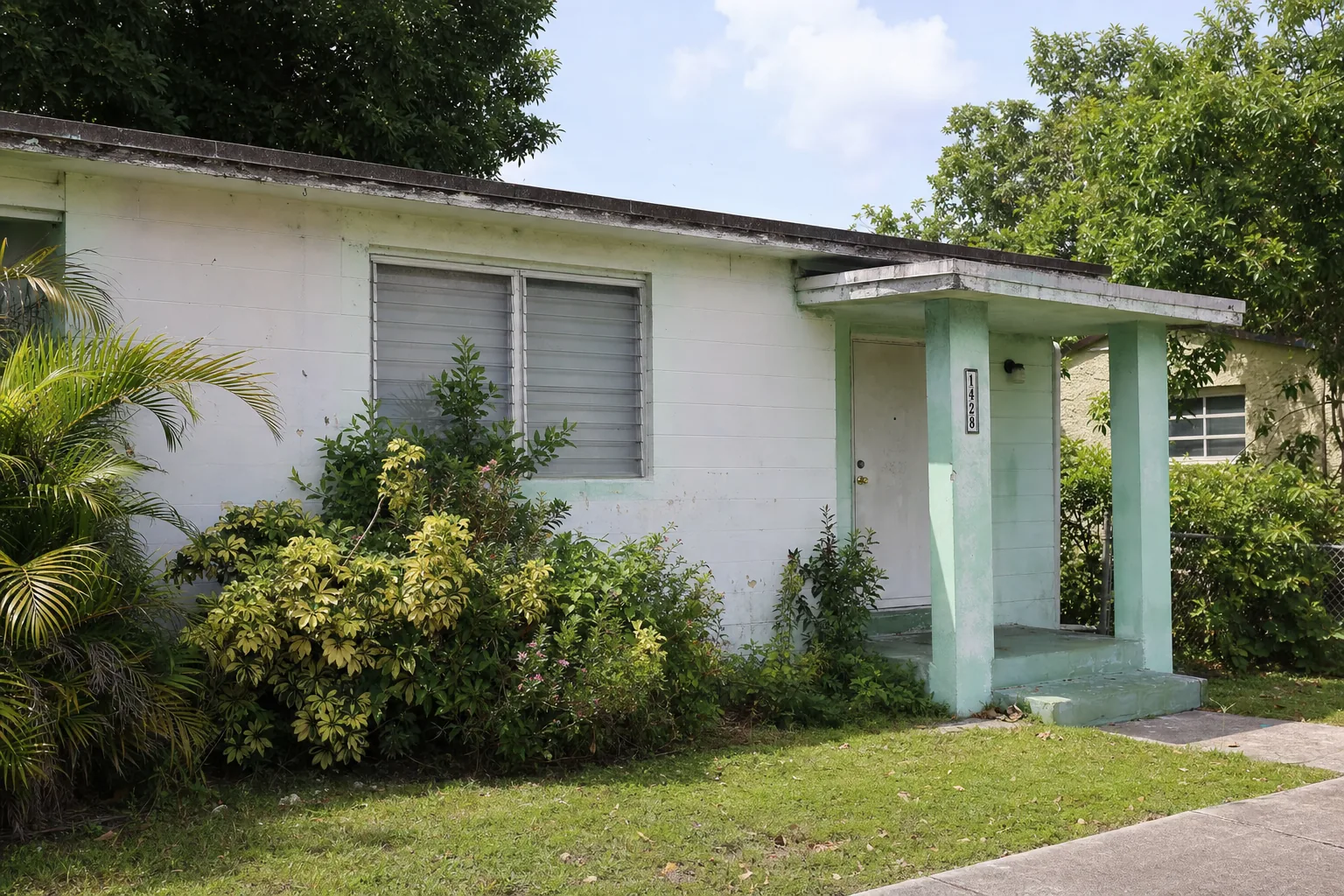
Fix-and-flip investors dominate Miami's hard money market, particularly those targeting duplexes and small multifamily properties in neighborhoods like Little Havana and Liberty City. They need rapid closings on properties requiring renovation before resale. Traditional banks cannot match the speed requirements or evaluate distressed property conditions effectively.
DSCR borrowers pursue rental income properties throughout Miami-Dade County. They evaluate loans based on property cash flow rather than personal income documentation. Short-term rental operators in Aventura and South Beach particularly value lenders who understand vacation rental income patterns and seasonal occupancy fluctuations. They often manage multiple properties and need portfolio-level financing solutions.
Commercial investors and developers represent another significant segment. Miami's active development market creates demand for bridge financing during entitlement processes, land assemblies, and pre-construction phases. They often need capital before conventional construction loans become available or while processing complex zoning approvals.
Real estate investment companies handling distressed assets form a specialized category. They acquire foreclosures, REO properties, and off-market deals requiring immediate capital deployment. They compete against cash offers and need financing that functions like cash from a timing perspective.
Time-sensitive acquisition scenarios drive much of Miami's hard money volume. Auction purchases, probate sales, and distressed property acquisitions often require proof of funds and 14-day closings that eliminate conventional financing options entirely.
Miami hard money underwriting focuses heavily on exit strategy validation given the market's complexity. Lenders evaluate comparable sales data, absorption rates, and market timing for fix-and-flip projects. They analyze rental comps, occupancy trends, and regulatory stability for buy-and-hold investments. Commercial deals require feasibility studies and market demand analysis.
Borrower experience carries significant weight in approval decisions. Lenders prefer borrowers with documented track records in their target property types and geographic areas. First-time flippers face higher scrutiny and may need additional equity or experienced partners. Commercial borrowers need demonstrated development or management experience.
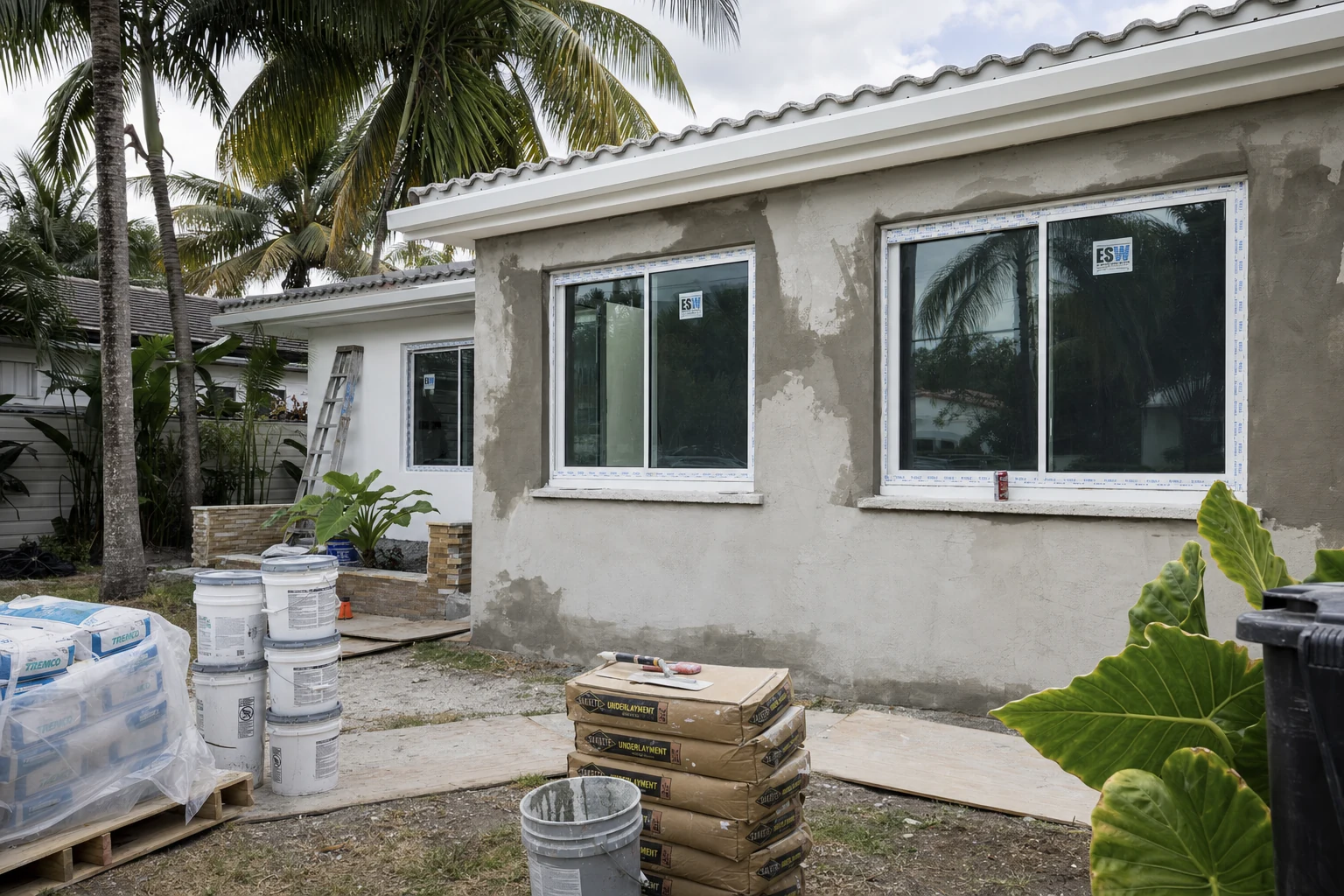
Property condition and renovation scope determine loan structure for value-add investments. Lenders require detailed rehab budgets, contractor estimates, and timeline projections. They often hold back renovation funds in controlled disbursement accounts tied to completion milestones. Properties needing major structural work or systems replacement face additional engineering review requirements.
Geographic concentration affects portfolio risk management. Many lenders limit exposure in specific neighborhoods or property types to manage market downturns. Areas with high crime rates, environmental concerns, or declining values may face additional restrictions or higher equity requirements.
Title complexity requires specialized review in Miami's dense urban environment. Lenders handle mechanics' liens, boundary disputes, easement issues, and zoning complications. Commercial properties need environmental assessments and survey updates that extend due diligence timelines beyond residential transactions.
Rates, points, loan-to-value limits, ARV limits, fees, and days-to-close are informational ranges only when sourced. They are not guarantees, quotes, commitments to lend, or financial advice. Actual terms vary by lender, borrower qualifications, property type, leverage, location, and underwriting review. Miami hard money rates typically span 9% to 16% annually, with origination points ranging from 1% to 4% of loan amounts. This figure is illustrative only, not a quote or guarantee. Terms vary significantly based on property type, borrower experience, and loan complexity. Fix-and-flip financing generally carries higher rates than stabilized rental property loans due to execution risk and shorter timelines. Loan-to-value ratios commonly range from 65% to 85% depending on asset quality and borrower qualifications. This figure is illustrative only, not a quote or guarantee. Experienced investors with strong track records may access higher amounts than first-time borrowers. Commercial deals often require lower LTV ratios due to complexity and market volatility concerns. Interest-only payment structures dominate most hard money products. Loan terms typically range from six months to two years for acquisition and renovation projects. DSCR loans on cash-flowing properties may extend to three years with longer amortization schedules available from some lenders. Origination points and fees vary substantially between lenders and loan types. Some sources charge higher upfront points for expedited closings while others spread costs across the loan term. Additional fees commonly include appraisal costs, environmental reports, title insurance, and inspection requirements that can add $3,000 to $8,000 to total closing costs. Extension fees, prepayment penalties, and default interest rates differ significantly between lenders. Borrowers should evaluate total cost scenarios including potential extensions when comparing offers. Personal guarantee requirements and cross-collateralization terms also affect overall deal structure and borrower liability.
Begin verification with the NMLS Consumer Access database to confirm licensing status for any lender advertising hard money services in Miami. Search by company name or NMLS ID to verify current authorization, regulatory actions, and business activities. Many legitimate hard money lenders maintain NMLS registration even for business-purpose lending.
Check Florida's Office of Financial Regulation website for state-level oversight details. Florida licensing requirements depend on loan purpose, borrower type, and property classification. Consumer residential loans require mortgage licensing under Chapter 494, while business-purpose loans may operate under different frameworks.
Request clear documentation of the lender's regulatory classification for your specific transaction. Consumer-purpose lenders should provide NMLS verification immediately. Business-purpose lenders may use different licensing structures but should explain their compliance approach and provide supporting documentation.
Examine the lender's website for specific Florida operation disclosures, geographic coverage areas, and loan product details. Cross-reference any speed claims, rate advertisements, or service promises against publicly available regulatory information. Verify that advertised capabilities match their documented business authorization.
Contact Florida's Office of Financial Regulation directly if you encounter inconsistent information about a lender's operating authority. Their Division of Consumer Finance handles mortgage-related inquiries and can clarify licensing requirements for specific lending activities in the state.
Document all verification steps before submitting applications or paying fees. Legitimate lenders welcome regulatory questions and should provide clear answers about their compliance status. Pressure to skip verification or demands for upfront payments before proper due diligence indicate potential problems.
Property documentation includes appraisals, title reports, survey updates, and property condition assessments. For condos, lenders need HOA financial statements, reserve studies, and association bylaws. Commercial properties require environmental Phase I reports and zoning verification letters. Fix-and-flip projects need detailed rehab budgets with contractor estimates and timeline projections.
Borrower documentation varies by loan type and experience level. Most lenders require proof of liquid assets, credit reports, and real estate investment experience summaries. DSCR loans need rent rolls and lease agreements for rental properties. Commercial borrowers provide business financial statements and project pro formas. Personal tax returns may be required regardless of stated income programs.
Financial documentation focuses on liquidity and net worth rather than employment income. Bank statements showing adequate reserves for down payments, closing costs, and contingencies are standard requirements. Hard money lenders typically require 25% to 35% equity in the deal plus additional liquid reserves for unexpected costs or market delays.
The documentation process moves faster than conventional lending but requires complete packages for quick approval. Missing or incomplete documents create delays that eliminate the speed advantages of hard money financing.
Short-term rental regulations vary significantly across Miami-Dade municipalities and change frequently through local ordinances. Hard money lenders typically require current regulatory compliance verification including business licenses, occupancy permits, and zoning confirmations. Properties in areas with evolving STR restrictions face additional income stability review during underwriting.
DSCR lenders evaluate short-term rental income using historical performance data and market comparables. They often apply conservative occupancy assumptions and require management company agreements for borrowers without direct STR experience. Seasonal income fluctuations receive additional scrutiny in underwriting models.
Some lenders restrict financing in neighborhoods with pending STR legislation or recent regulatory changes. Others require borrowers to demonstrate alternative exit strategies if STR operations become restricted. Properties with existing long-term rental potential typically receive more favorable consideration than STR-dependent investments.
Borrowers should research current regulations in their target areas and factor compliance costs into project budgets. Hard money lenders may require escrow accounts for anticipated licensing fees or property modifications needed to meet local STR requirements.
Commercial hard money in Miami involves larger loan amounts, longer approval timelines, and more complex due diligence requirements. Lenders evaluate market feasibility, competition analysis, and absorption projections rather than simple comparable sales. Environmental assessments, survey updates, and zoning verification extend the underwriting process beyond residential timelines.
Commercial borrowers need demonstrated experience in their target property types and markets. Development projects require architects, engineers, and general contractors with local track records. Lenders often require personal guarantees and cross-collateralization of other borrower assets for commercial deals exceeding certain size thresholds.
Interest rates on commercial hard money typically start higher than residential rates due to complexity and market volatility. Loan-to-value ratios are generally lower, often capping at 70% to 75% even for experienced borrowers. Payment structures may include interest reserves or graduated payment schedules tied to project milestones.
Commercial hard money serves bridge financing needs during lease-up periods, development phases, or acquisition processes. Exit strategy validation focuses on permanent financing availability, tenant quality, and cash flow stability rather than simple resale potential.
No. HardMoneySearch.com is an informational directory, not a lender, broker, underwriter, or loan approval service. The site is meant to help real estate investors understand common hard money lending terms, compare publicly available lender information, and find verification resources. It does not recommend any lender or decide whether a loan is suitable for your situation. Before entering any loan agreement, review written terms carefully, ask the lender direct questions about licensing and fees, and consult qualified legal, tax, or financial professionals when needed.
An NMLS ID is an identifier connected to the Nationwide Multistate Licensing System, which tracks many mortgage companies and loan professionals. Some hard money and private money lenders display an NMLS ID, especially when they make loans that fall under mortgage licensing rules. Business-purpose investment-property lending is not regulated the same way in every state, so an absent NMLS number is not automatically a red flag. When an NMLS ID is available, use NMLS Consumer Access to confirm the company name and license status. When it is not available, verify the lender through its state regulator where applicable, business registration, reviews, written terms, and direct questions to the lender.
No. Any rates, points, LTV limits, ARV limits, fees, or closing timelines shown on HardMoneySearch.com are informational only when sourced. They are not quotes, guarantees, commitments to lend, or financial advice. Actual loan terms vary by lender, borrower qualifications, property type, leverage, location, documentation, valuation, title, and underwriting review. A borrower comparing lenders should request written terms, ask which fees are due upfront, confirm whether rates or points can change before closing, and compare total cost rather than relying only on a headline rate. Verify lender licensing, written terms, and any state-specific requirements before relying on a quote or proposal.
Many hard money lenders offer fix-and-flip financing, but qualification depends on the borrower, the property, and the lender's underwriting rules. A lender may review the purchase price, rehab budget, estimated after-repair value, borrower experience, liquidity, credit profile, contractor plan, timeline, and exit strategy. Ask how draws are released, whether inspections are required, how interest is calculated, and what happens if the project takes longer than expected. Hard money can be useful for some investment projects, but it is typically more expensive than conventional financing and should be reviewed carefully before signing. Verify lender licensing, written terms, and any state-specific requirements before relying on a quote or proposal.
Start by confirming that the company has a professional website, a reachable phone number, a physical or service-area presence, and consistent business information across public sources. If the lender lists an NMLS ID or state license, verify it through NMLS Consumer Access or the relevant state regulator. In states where business-purpose investor lending does not generally require a mortgage license, ask the lender directly what authority it operates under and whether it brokers loans or lends its own capital. Review Google feedback, written loan terms, fees, draw schedules, default provisions, and payoff requirements before moving forward.
Request detailed loan quotes from at least three Miami hard money lenders who specialize in your property type and neighborhood. Compare not just rates and points, but also closing timelines, draw procedures for renovations, and specific experience with Miami's regulatory environment. Focus on lenders who can demonstrate recent successful closings on similar properties in your target area.
Additional resources: Miami hard money lenders, hard money lender directory, how to choose a lender, NMLS Consumer Access, Florida Office of Financial Regulation
HardMoneySearch forwards your inquiry to lenders in its network. We do not guarantee a response, placement, or specific lender match. Contact multiple lenders independently to compare terms.
Request lender information