Larry The Lender | Hard Money Lender
Houston, TX
bridgecommercialfix flip
- Trust Label
- Verified Business
- Reviews
- 1.5 composite
- States
- CA, ID, TX
- Close Time
- Ask lender
Houston, TX
Houston, TX
Houston, TX
Houston, TX
Houston, TX
Houston, TX
Houston, TX
Houston, TX
Houston, TX
Houston, TX
Houston, TX
Houston, TX
Houston, TX
Houston, TX
Houston, TX
Houston, TX
Houston, TX
Houston, TX
Houston, TX
Houston, TX
Houston, TX
Houston, TX
Houston, TX
Houston, TX
Houston, TX
Houston, TX
Houston, TX
HardMoneySearch.com is an informational directory. We are not a lender. Listings do not constitute endorsements. Verify all lender credentials via NMLS Consumer Access before entering any loan agreement.
Houston operates as multiple distinct real estate markets rather than one unified metro area. The Heights commands different property values and renovation approaches than suburban Katy or downtown lofts. Each submarket presents its own considerations for hard money borrowers evaluating acquisition and exit strategies.
Local hard money lenders emphasize their Houston market knowledge and established relationships with area appraisers, contractors, and title companies. They argue these connections accelerate closing timelines and provide more accurate property valuations. Some focus on specific neighborhoods or property types where they've built specialized expertise.
National lenders targeting Houston offer different advantages: standardized underwriting processes, potentially larger loan amounts, and access to broader capital sources. They may provide more consistent pricing across different Houston submarkets but require more documentation to compensate for limited local market knowledge.
Both local and national lenders handle Houston's common investment scenarios: fix-and-flip projects in transitioning neighborhoods, rental property acquisitions requiring immediate updates, and ground-up construction on available lots.
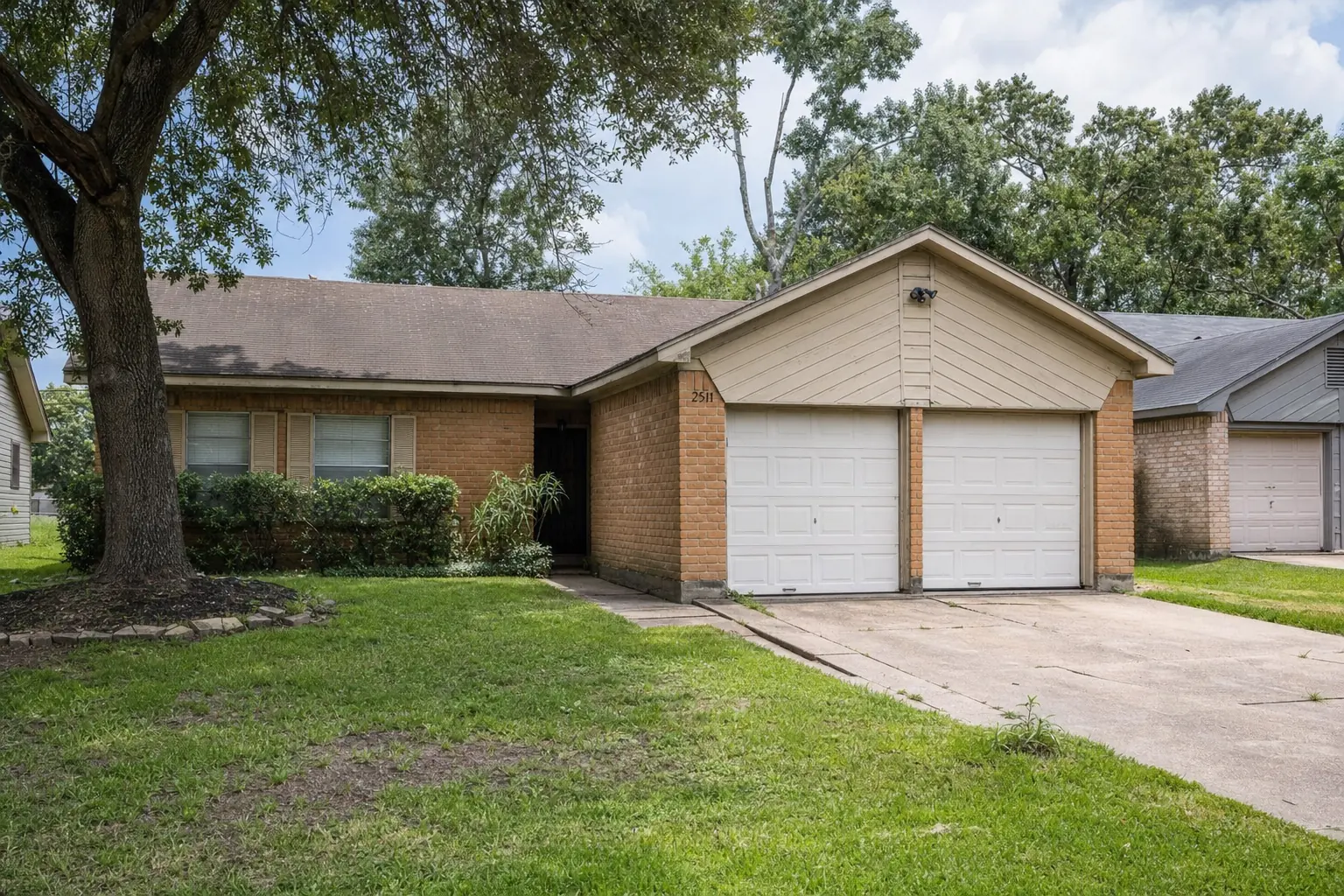
Fix-and-flip investors represent the largest borrower segment in Houston's hard money market. They acquire properties requiring renovation in neighborhoods like The Heights and Montrose, complete improvements over 3-6 months, then sell to retail buyers. These projects require fast acquisition financing and renovation funds released on schedule.
Rental property investors use hard money for quick acquisitions followed by conventional refinancing once properties stabilize. BRRRR strategies (buy, rehab, rent, refinance, repeat) depend on short-term hard money during acquisition and renovation phases. Portfolio investors scale this approach across multiple Houston submarkets simultaneously.
Out-of-state investors buying Houston rental properties comprise a growing borrower category. They need financing that accommodates remote property management and long-distance renovation oversight. Many target single-family houses in established neighborhoods with strong rental demand and reliable property management options.
Ground-up construction borrowers develop new properties on vacant Houston lots. These projects require specialized lenders comfortable with construction draws, permit timelines, and completion risk. Most construction hard money lenders limit projects to experienced developers with proven track records.
Short-term rental investors explore Houston's STR opportunities despite varying neighborhood regulations. They require lenders who understand local permit requirements and can evaluate realistic income projections. Property management complexity and regulatory risk make these deals more challenging than traditional rentals.
Houston hard money lenders evaluate three primary factors: borrower experience, property fundamentals, and exit strategy viability. Experienced investors with successful Houston deals receive better terms than first-time borrowers. Properties in established neighborhoods with clear comparable sales underwrite faster than those in declining areas.
Property condition determines renovation complexity and timeline assumptions. Lenders prefer cosmetic updates over structural repairs unless they specialize in heavy construction projects. Houses needing foundation work, major plumbing, or electrical system replacement require specialized lenders comfortable with extended timelines and higher budgets.
Neighborhood market dynamics influence lender decisions more than citywide Houston trends. The Heights attracts renovation-focused lenders because of consistent property appreciation and strong retail buyer demand. Midtown appeals to rental-focused lenders due to proximity to downtown employment centers. Suburban areas require different market knowledge and exit assumptions.
Exit strategy clarity separates approved deals from rejected applications. Fix-and-flip borrowers must demonstrate realistic sale prices based on recent comparable transactions. Rental property investors need cash flow projections supported by actual lease rates in their target area. Construction borrowers require pre-sale contracts or detailed market absorption analysis.
Financial qualification standards vary by lender and loan purpose. Most require 20-30% down payment, though experienced borrowers or strong properties may qualify for higher financing.
Rates, points, loan-to-value limits, ARV limits, fees, and days-to-close are informational ranges only when sourced. They are not guarantees, quotes, commitments to lend, or financial advice. Actual terms vary by lender, borrower qualifications, property type, leverage, location, and underwriting review.
Houston hard money loan pricing reflects risk assessment across multiple factors: borrower experience, property condition, neighborhood stability, and exit strategy strength. Interest rates typically correlate with loan duration and borrower qualifications. Shorter-term loans may command premium rates while longer terms offer rate stability.
Origination points represent upfront costs separate from interest rates. These fees compensate lenders for underwriting, processing, and funding loans. Experienced borrowers with strong projects often negotiate lower points, while first-time investors or challenging properties may face higher upfront costs.
Loan-to-value limits depend on purchase price or after-repair value depending on loan purpose. Fix-and-flip loans often base LTV on ARV to provide renovation funding. Rental acquisitions may use current value or purchase price. Each lender maintains different LTV policies based on their risk tolerance and capital requirements.
Additional fees include appraisal costs, underwriting charges, draw inspection fees for renovation projects, and closing expenses. Some lenders bundle these costs while others itemize each charge. Construction loans involve additional complexity with draw scheduling, inspection requirements, and completion bonuses or penalties.
Repayment terms range from interest-only payments during renovation periods to principal-and-interest schedules for longer-term bridge loans. Extension options provide flexibility but carry additional fees. Prepayment penalties vary by lender, with some allowing early payoff without penalty while others charge fees to compensate for lost interest income.

Texas generally exempts business-purpose hard money loans on non-owner-occupied investment properties from residential mortgage licensing requirements. However, lenders operating in Texas must comply with applicable state and federal regulations depending on their business structure and loan types.
Use NMLS Consumer Access to verify licensing when lenders provide NMLS identification numbers. Enter the company name or NMLS ID to review their license status, regulatory history, and complaint records. Not all hard money lenders maintain NMLS licenses, but those that do provide transparent regulatory oversight.
The Texas Department of Savings and Mortgage Lending regulates residential mortgage activity but may not oversee commercial real estate lending depending on loan purpose and property type. Their website provides context about state lending regulations and complaint procedures for regulated activities.
Ask each potential lender directly about their licensing status and regulatory compliance for your specific loan type. Business-purpose investment loans face different requirements than owner-occupied residential mortgages. Some lenders maintain multiple licenses to serve different borrower categories.
Verify the lender's legal authority to operate in Texas by reviewing their stated service areas and license permissions. National lenders may market to Texas investors while maintaining out-of-state licenses, which could complicate enforcement or complaint resolution if problems arise.
Document licensing verification before submitting personal financial information or paying application fees. This protects you from unlicensed operators and confirms the lender can legally close your proposed loan. Request written confirmation of their Texas operating authority if questions exist about their regulatory status.
The Heights, Montrose, and areas near downtown typically attract fix-and-flip investors because of strong retail buyer demand and established property appreciation patterns. These neighborhoods offer reliable comparable sales data that lenders use for ARV calculations and exit strategy evaluation.
However, successful flips depend more on individual property fundamentals than neighborhood selection. A well-located house needing cosmetic updates often outperforms a neighborhood favorite requiring structural repairs. Lenders evaluate renovation scope, timeline, and realistic sale prices rather than approving projects based solely on area reputation.
Emerging neighborhoods present higher risk but potentially higher returns for experienced investors. Areas like East Downtown or Third Ward may offer better acquisition prices but require more detailed market analysis and longer holding periods. Most hard money lenders prefer established markets with consistent transaction history over speculative areas.
Property condition matters more than location in most underwriting decisions. Houses requiring extensive foundation work, plumbing replacement, or permit-intensive additions face approval challenges regardless of neighborhood quality. Focus on properties where renovation scope matches your experience level and budget capacity.
Houston hard money lenders evaluate rental income potential using recent comparable leases in the specific submarket rather than citywide averages. Properties in Midtown command different rents than suburban areas, so lenders require neighborhood-specific market data to support cash flow projections. This local focus reflects Houston's fragmented rental markets where income varies significantly by location.
Most lenders use debt-service coverage ratios (DSCR) to determine whether projected rental income adequately covers loan payments. They typically require 1.2-1.25x coverage, meaning rental income must exceed monthly debt service by 20-25%. This provides cushion for vacancy periods and maintenance expenses that Houston investors commonly encounter.
Documentation requirements include lease comparables, property management cost estimates, and vacancy rate assumptions. Experienced rental property investors provide more detailed analysis while first-time landlords may need professional property management agreements to support their projections. Houston's competitive rental market demands realistic assumptions about tenant quality and turnover.
Short-term rental projections face additional scrutiny because income varies seasonally and depends on management quality. Lenders may require conservative occupancy assumptions and evidence of local STR regulation compliance. Many prefer traditional rental strategies over short-term rental speculation given Houston's evolving regulatory environment.
Construction hard money requires specialized underwriting for permit timelines, contractor management, and completion risk that differs significantly from acquisition financing. Construction lenders evaluate builder experience, project scope, and market absorption while acquisition lenders focus primarily on property value and borrower qualifications. Houston's complex permitting process adds layers of complexity.
Draw schedules represent the primary difference between construction and acquisition loans. Construction lenders release funds incrementally as work progresses, requiring inspections and documentation at each stage. Acquisition lenders typically fund the full amount at closing, making the process simpler but requiring different risk assessment approaches.
Houston construction lenders must understand local permit processes, inspection requirements, and typical construction timelines. They often maintain relationships with area contractors and can provide guidance on realistic project schedules. National lenders may lack this local construction market knowledge, potentially underestimating completion timelines.
Construction loans typically carry higher rates and fees to compensate for increased complexity and risk. They also require larger down payments and more extensive documentation of borrower construction experience. Acquisition loans offer more straightforward pricing but may not accommodate significant renovation work without separate construction financing arrangements.
No. HardMoneySearch.com is an informational directory, not a lender, broker, underwriter, or loan approval service. The site is meant to help real estate investors understand common hard money lending terms, compare publicly available lender information, and find verification resources. It does not recommend any lender or decide whether a loan is suitable for your situation. Before entering any loan agreement, review written terms carefully, ask the lender direct questions about licensing and fees, and consult qualified legal, tax, or financial professionals when needed.
An NMLS ID is an identifier connected to the Nationwide Multistate Licensing System, which tracks many mortgage companies and loan professionals. Some hard money and private money lenders display an NMLS ID, especially when they make loans that fall under mortgage licensing rules. Business-purpose investment-property lending is not regulated the same way in every state, so an absent NMLS number is not automatically a red flag. When an NMLS ID is available, use NMLS Consumer Access to confirm the company name and license status. When it is not available, verify the lender through its state regulator where applicable, business registration, reviews, written terms, and direct questions to the lender.
No. Any rates, points, LTV limits, ARV limits, fees, or closing timelines shown on HardMoneySearch.com are informational only when sourced. They are not quotes, guarantees, commitments to lend, or financial advice. Actual loan terms vary by lender, borrower qualifications, property type, leverage, location, documentation, valuation, title, and underwriting review. A borrower comparing lenders should request written terms, ask which fees are due upfront, confirm whether rates or points can change before closing, and compare total cost rather than relying only on a headline rate. Verify lender licensing, written terms, and any state-specific requirements before relying on a quote or proposal.
Many hard money lenders offer fix-and-flip financing, but qualification depends on the borrower, the property, and the lender's underwriting rules. A lender may review the purchase price, rehab budget, estimated after-repair value, borrower experience, liquidity, credit profile, contractor plan, timeline, and exit strategy. Ask how draws are released, whether inspections are required, how interest is calculated, and what happens if the project takes longer than expected. Hard money can be useful for some investment projects, but it is typically more expensive than conventional financing and should be reviewed carefully before signing. Verify lender licensing, written terms, and any state-specific requirements before relying on a quote or proposal.
Start by confirming that the company has a professional website, a reachable phone number, a physical or service-area presence, and consistent business information across public sources. If the lender lists an NMLS ID or state license, verify it through NMLS Consumer Access or the relevant state regulator. In states where business-purpose investor lending does not generally require a mortgage license, ask the lender directly what authority it operates under and whether it brokers loans or lends its own capital. Review Google feedback, written loan terms, fees, draw schedules, default provisions, and payoff requirements before moving forward.
Contact three Houston hard money lenders with different specializations: one local lender focused on your target neighborhood, one construction specialist if renovation is extensive, and one national lender for rate comparison. Request specific loan scenarios including all fees and timeline assumptions.
Verify each lender's licensing status through NMLS Consumer Access when NMLS numbers are provided. Document their Texas operating authority and experience with your property type before submitting financial information.
Hard money lending involves significant risk and requires careful evaluation of lender capabilities, loan terms, and project viability. The information provided serves educational purposes and does not constitute financial advice, lending recommendations, or guaranteed loan terms. Consult qualified professionals for guidance specific to your investment situation and verify all lender claims independently before making financial commitments.
Additional resources: Houston hard money lenders, hard money lender directory, how to choose a lender, NMLS Consumer Access, Texas Department of Savings and Mortgage Lending
HardMoneySearch forwards your inquiry to lenders in its network. We do not guarantee a response, placement, or specific lender match. Contact multiple lenders independently to compare terms.
Request lender information