Bridge Financial
Phoenix, AZ
bridgecommercialdscrfix flip
- Trust Label
- Verified Business
- Reviews
- 1.5 composite
- States
- AZ
- Close Time
- Ask lender
Phoenix, AZ
Phoenix, AZ
Phoenix, AZ
Phoenix, AZ
Phoenix, AZ
Phoenix, AZ
Phoenix, AZ
Phoenix, AZ
Phoenix, AZ
Phoenix, AZ
Phoenix, AZ
Phoenix, AZ
Phoenix, AZ
Maricopa County homes are sitting on the market for up to 57 days before closing, which quietly erodes fix-and-flip margins for investors who budget only for acquisition and rehab. Every week of holding costs money that was not modeled at purchase. Redfin's Phoenix market data puts the median sale price near $464,000, with exits landing below asking. Hard money loans fund fast, but carrying cost accumulates the same day one. Understanding local conditions before you engage a lender is not optional preparation — it is underwriting.
Phoenix's resale market operates under two quiet pressures that most investors underestimate. First, the time-to-close reality: Maricopa County homes take up to 57 days to sell, according to Realtor.com's market data. Second, exits are negotiated — Redfin's data shows a sale-to-list ratio near 97.7%, meaning buyers are not paying asking price.
Suburban new construction adds another layer. Active builder inventory gives buyers a cross-shop option that rehabbed resale homes cannot fully replicate. When builders are competing in the same price corridor, resale comps shift faster than appreciation headlines suggest. Conservative ARV selection matters more in Phoenix than in supply-constrained markets. Investors who assume headline appreciation without adjusting for negotiated exits will find their margins tighter at closing than on the spreadsheet.
Fix-and-flip investors working Phoenix single-family homes represent the largest segment of hard money borrowers here. Acquisition-plus-rehab budgets in this market can still produce workable returns at current price levels. The risk is not the deal structure — it is timeline creep. Summer holding periods in Phoenix stretch rehab schedules and compress the margin that looked comfortable at purchase.
Phoenix's desert climate demands more than cosmetic rehab scopes. HVAC systems, roofing, and mechanical components degrade faster under sustained desert heat than in temperate markets. That distinction matters at underwriting. A rehab budget built around finishes and fixtures that ignores system replacement is a budget that will overrun. Hard money draw structures handle this well — funds release against completed, inspected work rather than upfront disbursement.
Small multifamily and suburban infill investors represent a second user group. These borrowers commonly use bridge financing to carry a property through rehab, then target a DSCR refinance once the asset reaches stabilized occupancy. Whether that exit is achievable depends entirely on Phoenix rental conditions at the time of refinance — not at the time of origination. The HUD User Phoenix housing profile provides rental market context worth reviewing before committing to a rental exit strategy.
Both groups face the same market reality. Phoenix buyers have choices. Resale exits are negotiated, not assumed, and ARV selection must reflect that.
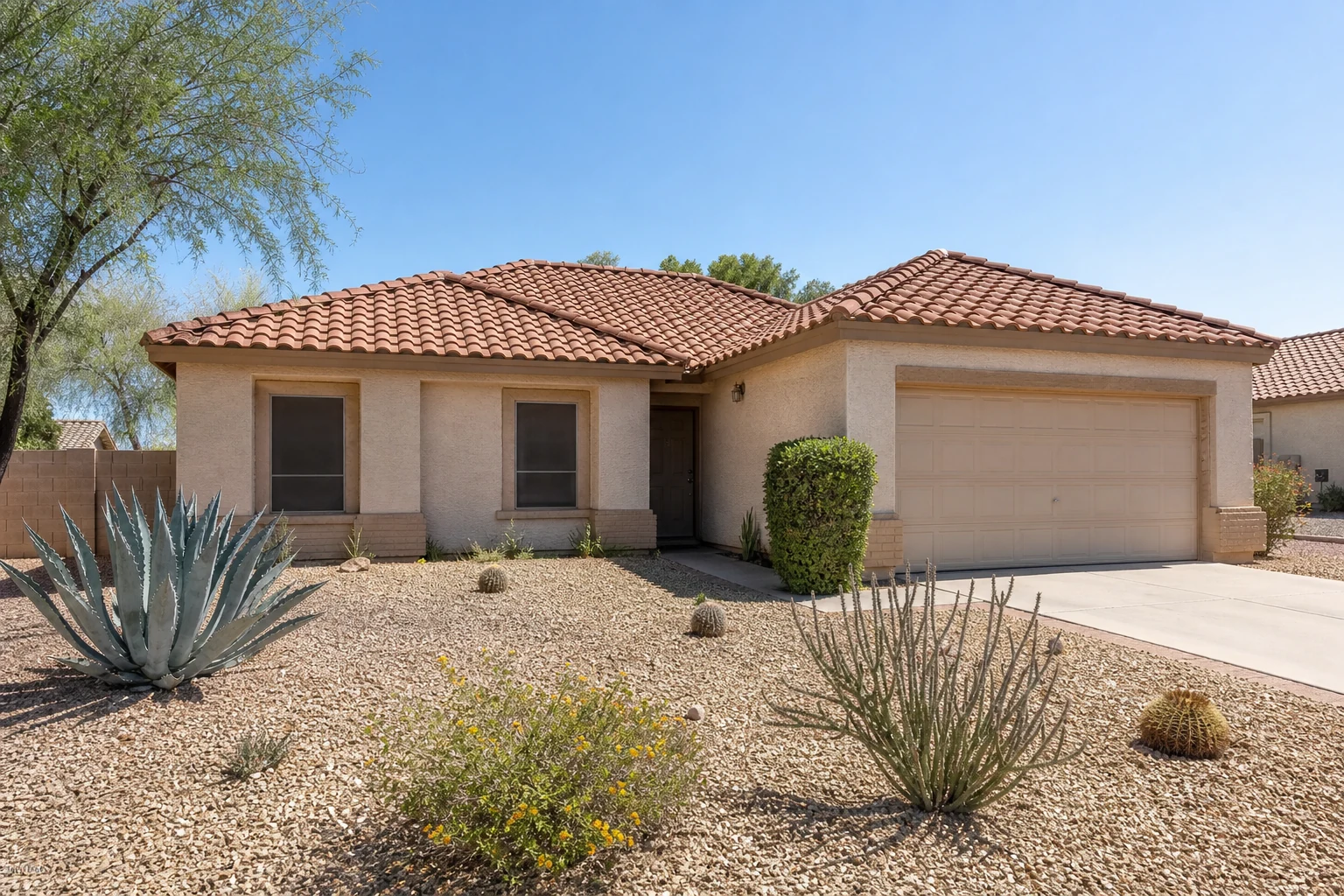
ARV selection is the first filter Phoenix lenders apply — not a formality they review after qualification. A borrower presenting comps pulled from supply-constrained ZIP codes while the subject property sits in a suburban corridor with active new builds will face immediate pushback. Lenders want to see exit pricing grounded in the negotiated close reality: resale comps only, with sale-to-list ratios confirmed on each comparable.
Rehab scope earns equal scrutiny. Lenders examine whether draw schedules cover system-level costs fully or defer them. Deferred system work creates mid-project overruns. Those overruns compress remaining draw availability and threaten repayment on a short-term loan — which is exactly the scenario lenders are underwriting against.
Exit strategy clarity is reviewed at application, not after funding. Phoenix lenders distinguish three paths. A resale exit requires defensible ARV support against current local comps. A rental refinance exit requires rent assumptions and vacancy inputs consistent with actual Phoenix conditions. A longer hold requires a separate carrying-cost and leverage analysis. Conflating these signals weak deal preparation and typically delays approval.
Licensing matters before any of this begins. Arizona requires lenders and brokers involved in commercial mortgage activity to hold appropriate state licenses. Verify any lender's current status through NMLS Consumer Access and the Arizona Department of Financial Institutions before engaging.
Rates, points, loan-to-value limits, ARV limits, fees, and days-to-close are informational ranges only when sourced. They are not guarantees, quotes, commitments to lend, or financial advice. Actual terms vary by lender, borrower qualifications, property type, leverage, location, and underwriting review.
Hard money pricing follows a structure: an interest rate on the outstanding balance, plus origination points collected at closing. Some lenders add extension fees, draw fees, or exit fees on top. Request a complete fee schedule in writing before committing to any lender.
Rate and point levels in this market vary based on requested leverage, borrower experience, property condition, and exit strategy. Phoenix-specific terms will differ by lender, deal structure, collateral quality, requested leverage, borrower track record, and exit plan. No published range applies uniformly to every transaction, so borrowers should compare complete term sheets rather than relying on a national pricing survey or advertised headline terms.
LTV and ARV limits directly shape how much capital a lender will advance. A lender may cap the loan against purchase price, current as-is value, or projected after-repair value. Each calculation produces a different maximum loan amount on the same Phoenix property. Understand which basis your lender uses before modeling your capital stack.
Total cost comparison requires modeling across the full hold period. A lower rate with steep extension fees can outpace a higher rate that includes one extension at no charge. Compare rate, points, draw fees, extension fees, and any exit provisions together — not in isolation.
Arizona requires licensing for commercial mortgage activity. Hard money lenders and brokers operating in Phoenix may fall under that framework depending on transaction structure, collateral type, and loan purpose. That determination is not one borrowers should make themselves — check the record directly.
Start with two sources. Search NMLS Consumer Access by company name and state. Then cross-reference with the Arizona Department of Financial Institutions, which supervises mortgage and commercial lending activity in the state. Lenders and brokers arranging commercial mortgage loans may need an Arizona Commercial Mortgage Banker or Commercial Mortgage Broker license.
When searching NMLS, verify the license number the lender provides against the public record. Confirm the license is active. Check for disciplinary actions. Confirm Arizona is listed among the states served. A lender actively marketing Phoenix fix-and-flip products should have a clean, current, verifiable record — not just a number on a website.
Private lenders funding deals from their own capital are not automatically exempt from licensing requirements. Both lenders and brokers arranging loans on their behalf may be covered depending on how the activity is structured. Do not accept a blanket exemption claim. Contact the Arizona DFI directly if a lender's status is unclear. That one step costs nothing and removes significant counterparty risk before you wire any money.
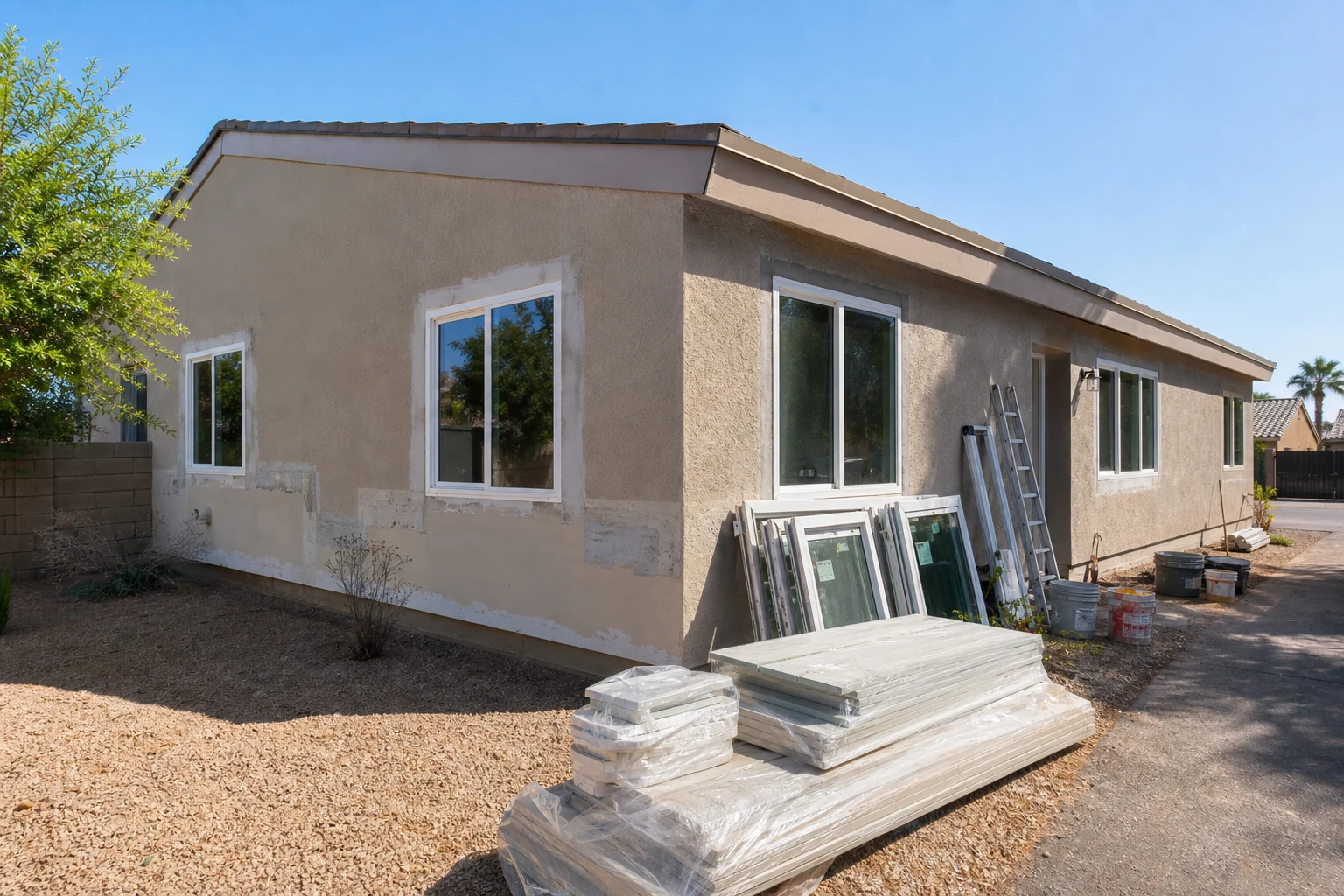
Summer deal timing deserves more attention than most borrowers give it. Rehab work in July and August runs slower because licensed crews schedule around heat. Exterior work — roofing, stucco, exterior paint — faces real productivity constraints during peak heat periods. A rehab that pencils at 90 days starting in October may realistically require 120 days starting in June.
That calendar risk carries a direct cost. Hard money loans accrue interest daily. An extended rehab window adds holding expense that most fix-and-flip budgets do not pre-load. Lenders underwriting Phoenix summer projects may ask borrowers to account for seasonal delays explicitly. A tight timeline that ignores seasonal pace is an underwriting assumption lenders will immediately discount.
The resale side compounds this. Phoenix buyer activity softens during peak summer months, which can push a completed flip into a slower showing window. Combined with the approximately 57-day median time to closing already present in Maricopa County (Realtor.com), a summer start carries compounding timeline risk. Build that reality into your loan term request before origination — not as an extension conversation mid-project.
Phoenix-area buyers can often cross-shop rehabbed resale homes against new suburban builds, particularly in price ranges near the metro median (Redfin). That competition directly pressures resale ARV. A buyer choosing between a rehabbed 1980s home and a nearby new build factors finishes, warranties, and HOA amenities — none of which a flipped resale can fully replicate.
This makes ARV selection more consequential in Phoenix than in supply-constrained markets. Lenders reviewing local fix-and-flip applications will check whether comparable sales were drawn from genuinely comparable resale properties or whether new-build sales were mixed in to inflate the exit assumption. Inflated ARV narrows the lender's collateral margin and raises perceived repayment risk. Applications get scrutinized harder or declined.
Borrowers should pull comps from resale properties only, confirm sale-to-list ratios on each comparable, and recognize that buyers are negotiating. A comp set that reflects current negotiated close patterns produces a defensible ARV — and a budget with margin remaining after the exit-price discussion.
A DSCR refinance works only if stabilized rental income covers debt service at the refinancing lender's required ratio. That calculation depends on Phoenix rent levels, vacancy assumptions, and what a DSCR lender will credit as income — none of which are fixed at the time a hard money loan closes.
Borrowers targeting a DSCR exit should review current Phoenix rental vacancy conditions before locking in that plan. The HUD User Phoenix housing profile provides rental market context as a starting baseline. Market rents and vacancy can shift between hard money origination and rehab completion. A property that pencils as a rental today may underperform if conditions soften.
DSCR lenders require the property to be fully stabilized — leased at market rent — before closing the refinance. Confirm your hard money loan term is long enough to cover rehab, lease-up, and DSCR underwriting time. Clarify the DSCR lender's income requirements, seasoning rules, and minimum occupancy standards before your hard money loan funds. Doing that work at the end of the project costs extension fees and signals execution problems.
No. HardMoneySearch.com is an informational directory, not a lender, broker, underwriter, or loan approval service. The site is meant to help real estate investors understand common hard money lending terms, compare publicly available lender information, and find verification resources. It does not recommend any lender or decide whether a loan is suitable for your situation. Before entering any loan agreement, review written terms carefully, ask the lender direct questions about licensing and fees, and consult qualified legal, tax, or financial professionals when needed.
An NMLS ID is an identifier connected to the Nationwide Multistate Licensing System, which tracks many mortgage companies and loan professionals. Some hard money and private money lenders display an NMLS ID, especially when they make loans that fall under mortgage licensing rules. Business-purpose investment-property lending is not regulated the same way in every state, so an absent NMLS number is not automatically a red flag. When an NMLS ID is available, use NMLS Consumer Access to confirm the company name and license status. When it is not available, verify the lender through its state regulator where applicable, business registration, reviews, written terms, and direct questions to the lender.
No. Any rates, points, LTV limits, ARV limits, fees, or closing timelines shown on HardMoneySearch.com are informational only when sourced. They are not quotes, guarantees, commitments to lend, or financial advice. Actual loan terms vary by lender, borrower qualifications, property type, leverage, location, documentation, valuation, title, and underwriting review. A borrower comparing lenders should request written terms, ask which fees are due upfront, confirm whether rates or points can change before closing, and compare total cost rather than relying only on a headline rate. Verify lender licensing, written terms, and any state-specific requirements before relying on a quote or proposal.
Many hard money lenders offer fix-and-flip financing, but qualification depends on the borrower, the property, and the lender's underwriting rules. A lender may review the purchase price, rehab budget, estimated after-repair value, borrower experience, liquidity, credit profile, contractor plan, timeline, and exit strategy. Ask how draws are released, whether inspections are required, how interest is calculated, and what happens if the project takes longer than expected. Hard money can be useful for some investment projects, but it is typically more expensive than conventional financing and should be reviewed carefully before signing. Verify lender licensing, written terms, and any state-specific requirements before relying on a quote or proposal.
Start by confirming that the company has a professional website, a reachable phone number, a physical or service-area presence, and consistent business information across public sources. If the lender lists an NMLS ID or state license, verify it through NMLS Consumer Access or the relevant state regulator. In states where business-purpose investor lending does not generally require a mortgage license, ask the lender directly what authority it operates under and whether it brokers loans or lends its own capital. Review Google feedback, written loan terms, fees, draw schedules, default provisions, and payoff requirements before moving forward.
Request a full fee schedule from at least two lenders — rate, points, draw fees, extension fees, and any exit provisions — and model each across your realistic hold period, not your optimistic one. Ask each lender directly how they underwrite ARV when Phoenix comps include active new-build competition in the same price corridor. That answer separates lenders who know this market from those running a generic template. Your next step is that comparison, not a single call.
Additional resources: Phoenix providers, provider directory, comparison guide.
HardMoneySearch forwards your inquiry to lenders in its network. We do not guarantee a response, placement, or specific lender match. Contact multiple lenders independently to compare terms.
Request lender information