Fix and Flip Loans in Los Angeles: How Real Estate Investors Can Compare Lenders
July 5, 2026
The first mistake in Los Angeles is treating the fastest lender as the safest lender. Speed helps only when the collateral, cost stack, and exit plan still hold up under pressure.
Here is what borrowers should compare before signing: the lender's process, the real cost of the money, and the failure point that would hurt most if the deal runs long.
Project Fit
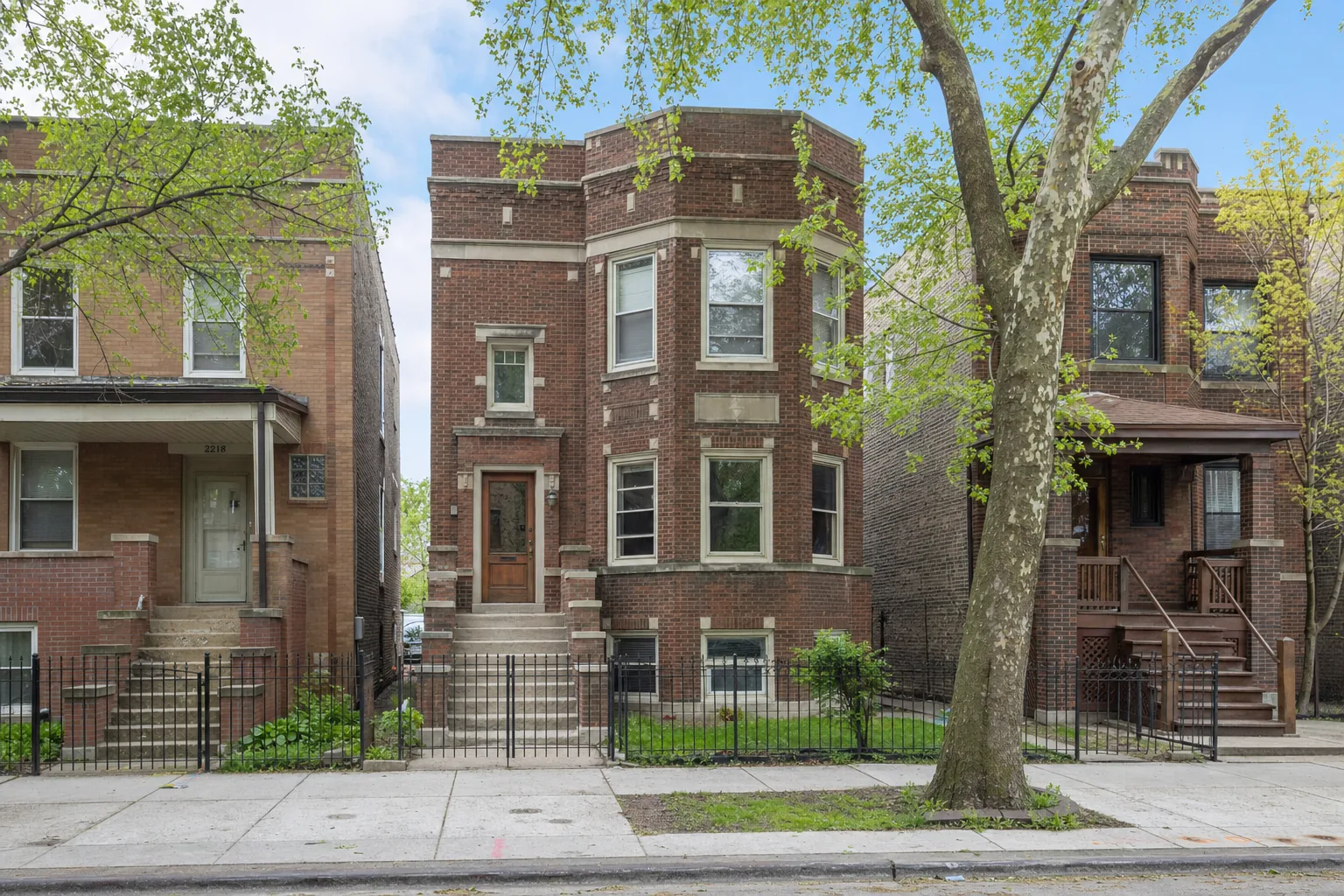
Fix-and-flip loans are underwritten against the asset, not your W-2. Property type, location, and rehab scope determine whether a lender will engage before they ever look at your tax returns. Los Angeles complicates this quickly.
An SFR flip in Highland Park lands differently than a small multifamily in the Valley or an ADU-layered project in Inglewood. Lenders who claim LA exposure regularly decline the moment you mention a fourplex or a gut rehab. ADU additions create a separate complication: lenders frequently treat them as construction draws rather than rehab funds, which is a different product with different terms and different qualification standards. Confirm which structure your lender will actually fund before you finalize your scope—not after you've negotiated the purchase price.
"We do LA" covers a lot of ground geographically and almost nothing structurally. Ask specifically whether they fund your property type, your price tier, and your level of complexity.
Purchase and Rehab Budget
Most lenders cap your loan against the lower of purchase price or ARV. In Los Angeles, that math bites harder than it does in cheaper markets—you're paying for acquisition before you swing a hammer, and the LTV ceiling doesn't move because your zip code is expensive. Run the numbers before you're under contract.
Rehab budgets get re-traded more often than borrowers expect. A lender may accept your scope to get the loan closed, then push back on your first draw because the actual work diverged from the approved line items. Get the full budget reviewed and approved in writing at origination. A verbal "looks fine" at closing means nothing three weeks into demo when your draw request gets kicked back.
LA's permitting environment adds a dimension most budget spreadsheets miss. Your contingency reserve needs to cover time, not just materials. Carrying costs accumulate on a hard money clock while permits sit in queue—and some LA neighborhoods have queues that move at their own pace regardless of your timeline.
The structure of how rehab funds actually release matters as much as the approved total. Some lenders fund the full approved budget through milestone draws. Others cap the percentage available at any stage, hold funds until inspections clear, or both. Understand the release mechanics completely at origination, because the gap between what you expected to draw and what actually releases is where projects stall and subcontractors walk.
Draws and Inspections
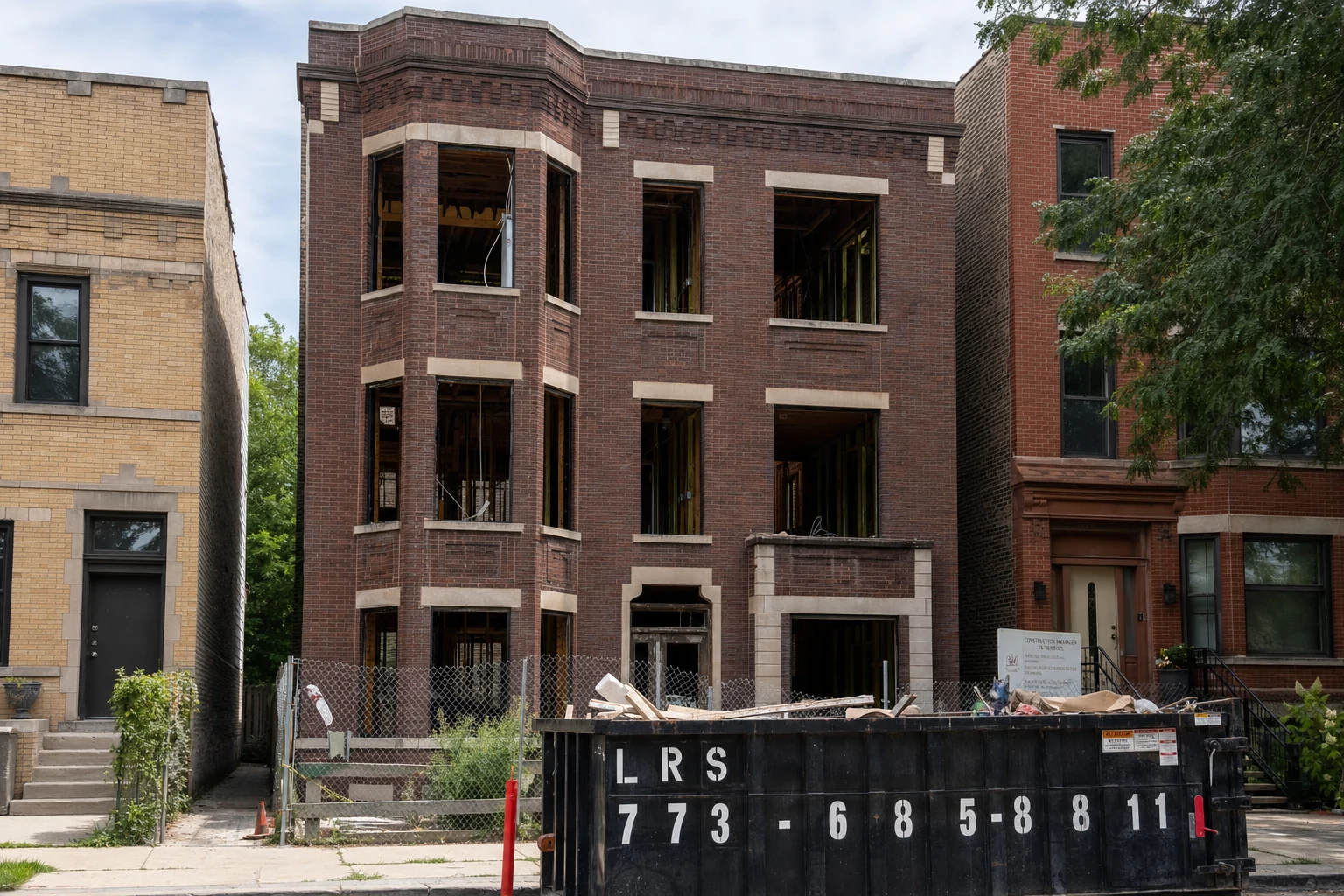
Your rehab funds sit in a controlled account, not your bank account. You complete a phase of work, request a draw, and a third-party inspector verifies completion. The lender releases funds only after that sign-off. Deviate from the approved scope, miss a line item, or do work out of sequence, and the inspector flags it. Your draw gets delayed or reduced. That's not a dispute—that's the contract you signed.
The timing lag is where Los Angeles deals get into trouble. Permit timelines compress your schedule from one end. Draw inspection turnaround compresses it from the other. Both can hit simultaneously, with the loan clock running throughout. A draw that takes ten days to fund when you expected three can cascade into a payment dispute with your GC faster than you'd think.
Before you sign a loan agreement, ask every lender the same three questions: How many days does a draw typically take from request to funding? Who orders the inspection, and who covers the fee? What happens if completed work doesn't match the approved line items exactly? Vague or defensive answers are a preview of how your draw disputes will actually go. Lenders who have clean draw processes can answer all three without hedging.
Extension provisions connect directly to draw mechanics. If a delayed draw pushes a phase completion past your projected schedule, you may hit your loan maturity before your exit is ready. Know whether your lender will extend, what it costs, and whether they require re-inspection or re-approval of the scope to do it.
Rates, Points, and Fees
After timing, price the whole stack, not just the rate a lender leads with on the first call.
Hard money pricing has three components: the rate, the origination points, and the fee stack underneath both. Each one interacts with the others differently depending on how long you actually hold the loan. The rate matters most on longer holds. Points matter most on short ones. Running the math only on a best-case timeline is how borrowers underestimate their true cost of capital.
Points are paid at closing and are not recoverable if the deal goes sideways. A lender quoting lower points with a higher rate may cost you more than one structured the opposite way—or it may not. The answer depends on your hold period. Model it across your realistic timeline, not your optimistic one. In a market where permit delays are routine, optimistic timelines are usually wrong.
The fee stack is where surprises live. Processing fees, draw inspection fees, extension fees, and prepayment penalties can each appear under different labels in a term sheet. Get the complete fee schedule before you sign—not after, when the leverage has shifted entirely to the lender. If a lender resists producing a full itemized fee disclosure, that resistance is information.
Pricing varies by lender, property type, borrower profile, and market conditions. Three quotes on the same asset will sometimes produce three meaningfully different total costs. One quote is not a market, and it is not negotiating leverage. Compare direct lenders side by side on the same deal parameters before you commit.
Licensing and Verification
Keep legal verification in its own lane: important, source-dependent, and not something to bluff through because a closing is moving fast.
The pattern is the warning: the deal can look fine on paper while the borrower-side math is already breaking. Licensing rules for business-purpose investor loans in California can depend on the lender, borrower, property use, and transaction structure. Use NMLS Consumer Access when a lender provides an NMLS number, check the relevant state regulator for consumer-mortgage licensing context, and ask the lender to explain which entity is making the loan. For a specific Los Angeles transaction, confirm the licensing position with qualified counsel or the regulator before signing.
Private money operations and fund-based lenders don't always fall under the same regulatory framework as traditional mortgage brokers. The structure of who is actually funding your loan matters here. If you're unclear on how your lender is organized, ask directly—and verify what you hear independently. California's regulatory environment for private lending is detailed enough that your real estate attorney, not your lender, should be your source for any licensing conclusions that affect your exposure. The California DFPI is the place to start that verification, not a lender's marketing materials.
Exit Plan
Your exit defines the loan before you sign it. An appraisal that comes in below your projected ARV kills your margin faster than any rehab overrun—run a conservative sale comp analysis before closing, not after demo starts. If your plan is a refinance into a DSCR or conventional loan, confirm your debt-service coverage with a lender now. Rental income in your target submarket may not support the note you're projecting, and finding that out at month seven is too late. Two exits planned beats one exit assumed.
*Additional resources: Los Angeles providers, provider directory, comparison guide.*