Bridge Loans in Denver: How Real Estate Investors Can Compare Lenders
July 4, 2026
The lender's view of collateral is the quiet hinge in a Denver bridge loan. If their value lands below yours, the deal can change before it even closes; if their draw inspector disagrees with your contractor, it can change again halfway through the rehab.
Borrowers should typically compare lenders by how they value the property today, how they think about the finished value, and how they resolve disagreements once money is on the line. That tells you more than a fast-close promise ever will.
Bridge Loan Use Cases
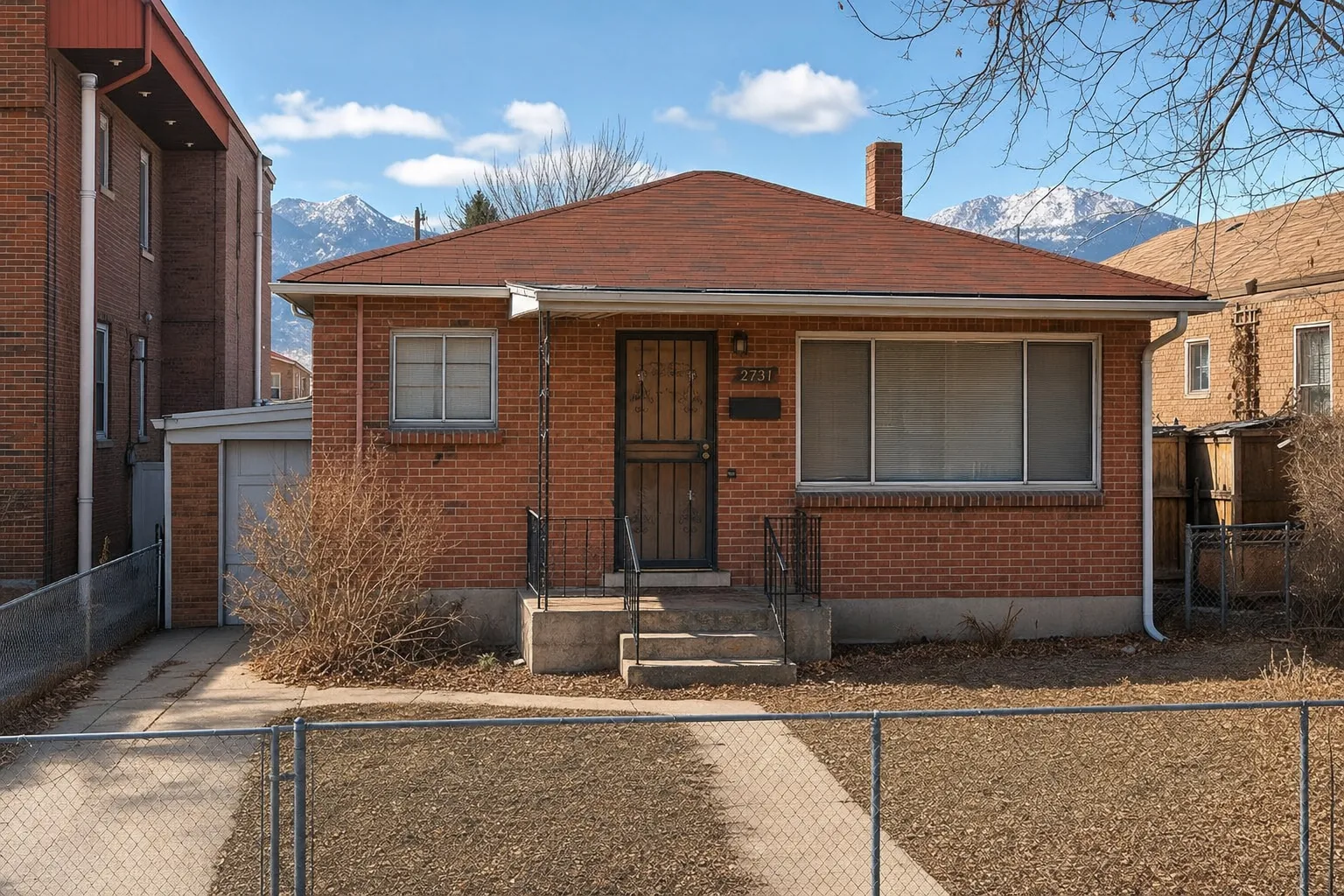
That sequencing problem shows up across several Denver deal types. Fix-and-flip buyers targeting older single-family stock in Sunnyside or Montbello need acquisition capital before a rehab exit is possible. Multifamily buyers and house-hackers need to close first, stabilize second. Investors adding ADUs face the same gap — though any exit built around Denver short-term rental income requires separate regulatory due diligence before you underwrite to that income stream.
The use case shapes the lender conversation. A bridge covering a pending refinance on a Five Points rental is underwritten differently than a Sunnyside rehab tied to a flip. Know which deal you have before you pitch it. That clarity speeds up the lender conversation and keeps you from getting priced as something you're not.
Collateral and Timeline
Once the use case makes sense, move straight to collateral and timing because that is where fast loans usually prove whether they are real.
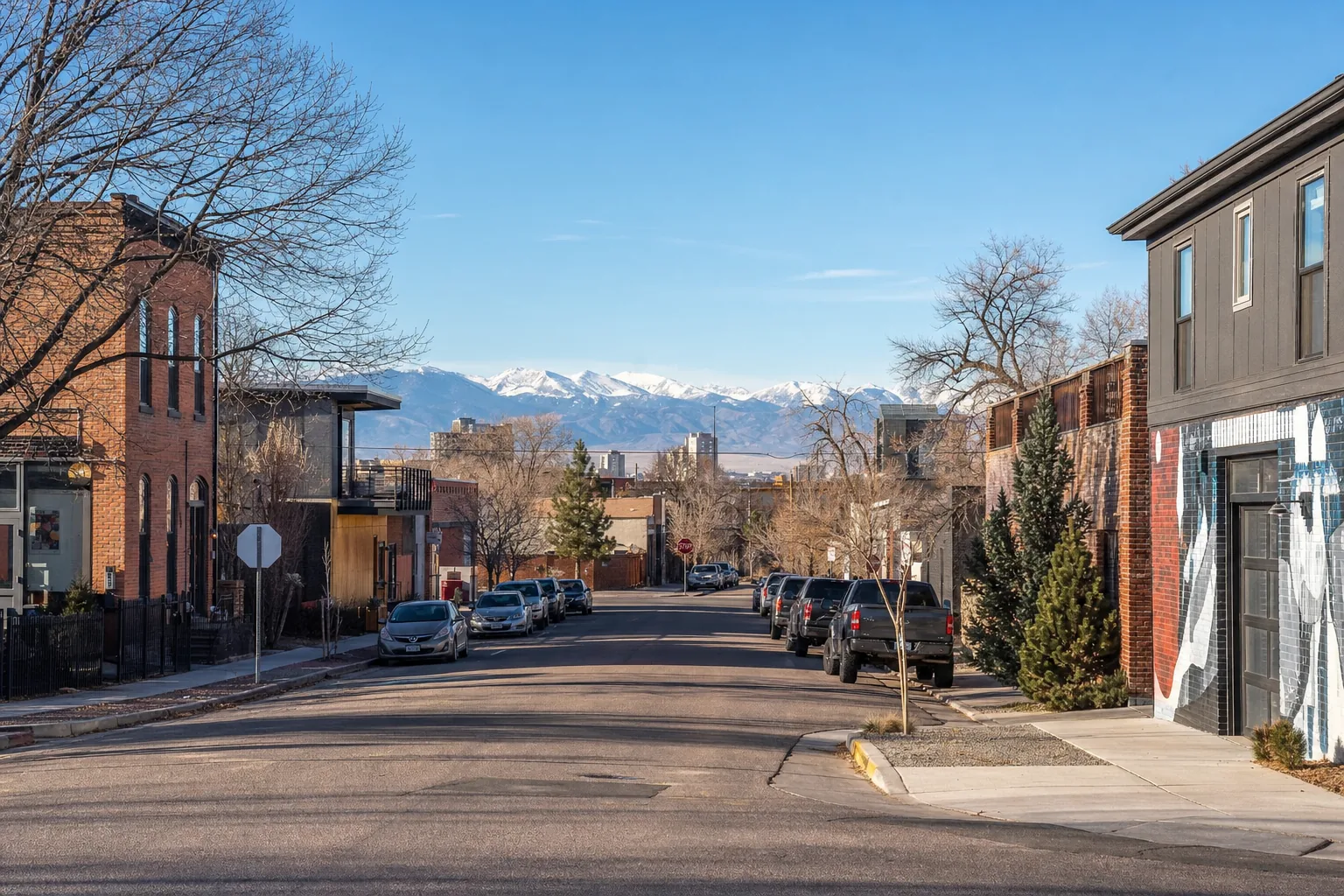
Denver bridge lenders underwrite to current as-is value, not the ARV you're projecting after the rehab. That distinction matters more than most borrowers expect. A lender funding a deal in Barnum is looking at what the property is worth today — deferred maintenance included — not what comparable flips sold for after a full renovation.
Front Range lenders also tend to draw a line between central Denver assets and outlying or mountain-adjacent properties. A lender comfortable with a Montbello duplex may price or pass on a deal differently once the zip code moves toward the foothills. That's worth a direct conversation before you're deep in underwriting, not after.
On timeline: a fast close is a borrower preparation problem, not a lender promise. Title work, valuation, and documentation all sit on your side of the table first. The appraisal or desk review is usually where a promised ten-day close quietly becomes three weeks. Get your paperwork in order before you commit to a seller on timing.
Rehab-bridge hybrids carry a different timeline risk entirely. Ask the lender exactly how draw requests are triggered and how long that funding cycle takes — in writing. The inspection-to-funding gap is where assumptions about same-week disbursements collide with a lender running seven to ten business days. The deal is the one that pays for the confusion. Budget an extra week on every draw cycle until a specific lender proves otherwise.
For Denver investors, this comparison should stay grounded in written loan terms, documented draw mechanics, realistic exit timing, and direct lender verification. Keep the term sheet, payoff language, extension provisions, and inspection process together so total cost and execution risk can be compared without relying on sales claims.
Rates, Points, and Fees
After timing, price the whole stack, not just the rate a lender leads with on the first call.
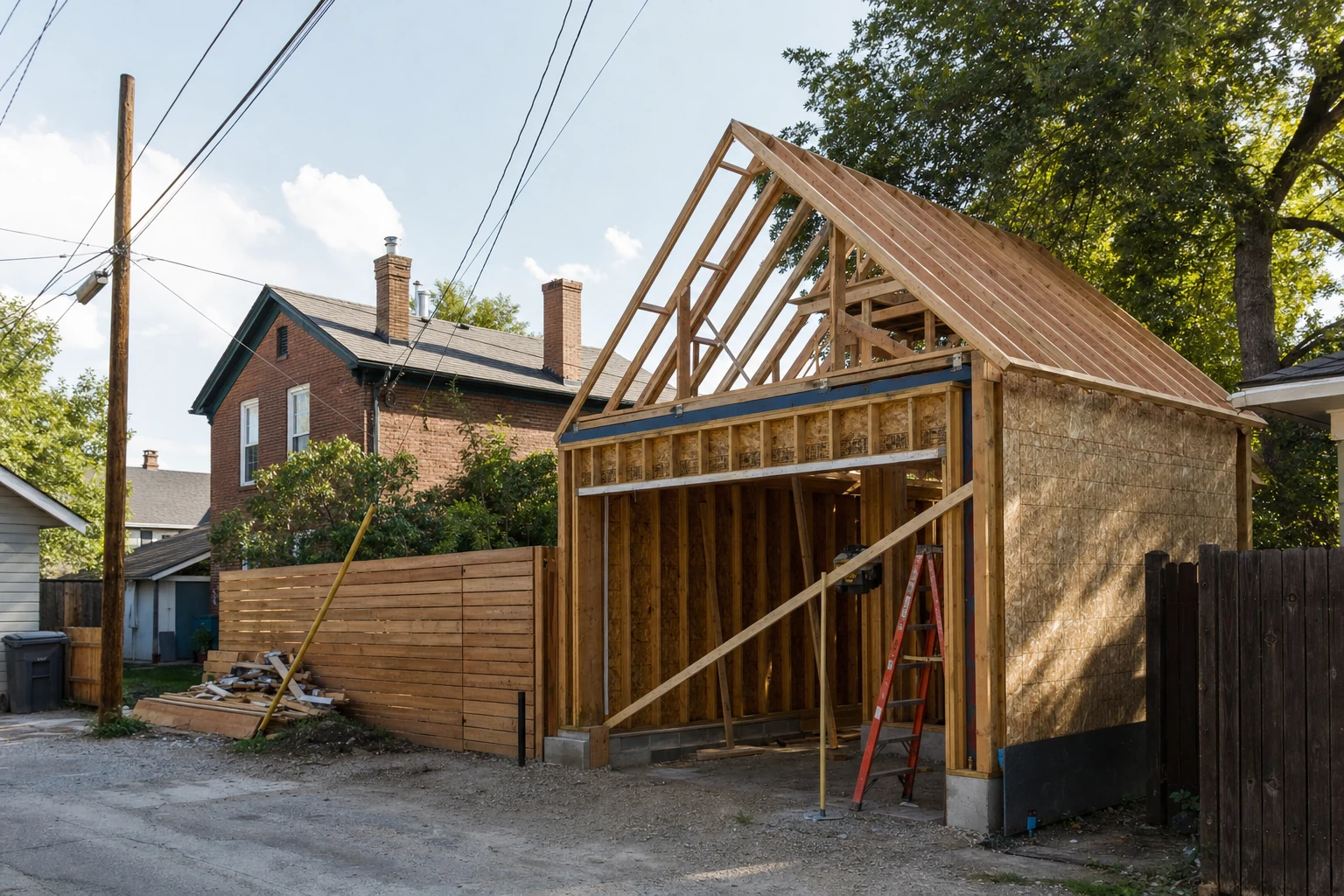
Origination points are charged upfront and reduce your net proceeds on day one. That's the number lenders lead with, and it's also the least complete way to price a bridge loan. The extension fee, the draw fee, the prepayment structure, and the interest reserve requirement are where the real cost comparison lives.
A lender with lower points but a punishing extension fee may cost you more on a Montbello rehab that runs long than a lender with higher points and a predictable flat fee structure. Borrowers who optimize for the headline number and ignore the back-end fee structure tend to discover the mistake at month five, not month one.
The interest reserve deserves specific attention. Some lenders require you to fund several months of interest at closing, which reduces what you actually have to work with from day one. On a thin-margin fix-and-flip, that reduction changes the math on whether the deal works.
Ask what triggers the extension clause before you sign, what it costs, and whether fees compound if the delay stretches further. A rehab that runs two months long is a nuisance. A clause you didn't fully read can turn that nuisance into a loss. Pricing across all of these variables changes by lender, property type, and borrower profile.
Payoff and Exit Strategy
Cost only matters if the exit works; otherwise the cheapest bridge loan can become the most expensive money in the deal.
Your exit is the loan. Every other decision — what you pay for the property, how much rehab you budget, how long you hold — flows backward from whether that exit closes on schedule.
Denver bridge borrowers typically exit one of two ways: a flip sale or a refinance into permanent or DSCR financing. Both have failure modes worth understanding before you sign the note. On the flip side, an ARV estimate that made sense at acquisition can get cut by a slow absorption quarter or an appraiser who doesn't share your contractor's optimism on comparable sales. On the refinance side, a DSCR lender underwrites to stabilized rent — not projected rent — and if the unit isn't leased when you're applying, your timeline slips whether you're ready or not.
The error that actually costs money is treating the exit as something you'll figure out later. Map it before you close the bridge. Know what rent the property needs to carry DSCR debt, or what sale price makes the flip viable after holding costs. Then build in a buffer, because older Denver stock routinely runs long on rehab.
A clean exit beats a cheap rate. That's not a general principle — it's the specific order of operations that determines whether you net money or break even on a bridge deal.
Licensing and Verification
Keep legal verification in its own lane: important, source-dependent, and not something to bluff through because a closing is moving fast.
The pattern is the warning: the deal can look fine on paper while the borrower-side math is already breaking. Licensing rules for business-purpose investor loans in Colorado can depend on the lender, borrower, property use, and transaction structure. Use NMLS Consumer Access when a lender provides an NMLS number, check the relevant state regulator for consumer-mortgage licensing context, and ask the lender to explain which entity is making the loan. For a specific Denver transaction, confirm the licensing position with qualified counsel or the regulator before signing. One more comparison borrowers should make before choosing a Denver bridge lender: ask each lender to walk through the same downside case. Assume the appraisal comes in lower than expected, the first draw is delayed by a week, and the refinance lender asks for another round of documentation. A useful lender can explain what happens to your rate, reserves, extension options, and payoff timing in that scenario. A weak lender changes the subject and points back to the headline rate. That's not a discount; that's a warning.
When to Walk Away
The walk-away test is simple: if the lender cannot explain the risk before closing, do not expect clarity after a problem shows up.
Walk if a lender cannot give you a clear draw timeline in writing. Walk if the deal only works when the rehab finishes on schedule and nothing goes wrong. Those two conditions alone eliminate a meaningful share of deals that eventually blow up. Red flags worth noting: a lender who cannot name the actual entity making the loan, a fee structure that requires a spreadsheet to understand before you've even asked about extensions, and a close date promise that depends on everything going right. Denver has enough active bridge lenders that you don't have to accept unclear terms to get a deal funded. Bridge lending in Denver rewards preparation.
Additional resources: Denver providers, provider directory, comparison guide, https://www.nmlsconsumeraccess.org/, Colorado regulator.