Bridge Loans in Dallas: How Real Estate Investors Can Compare Lenders
July 9, 2026
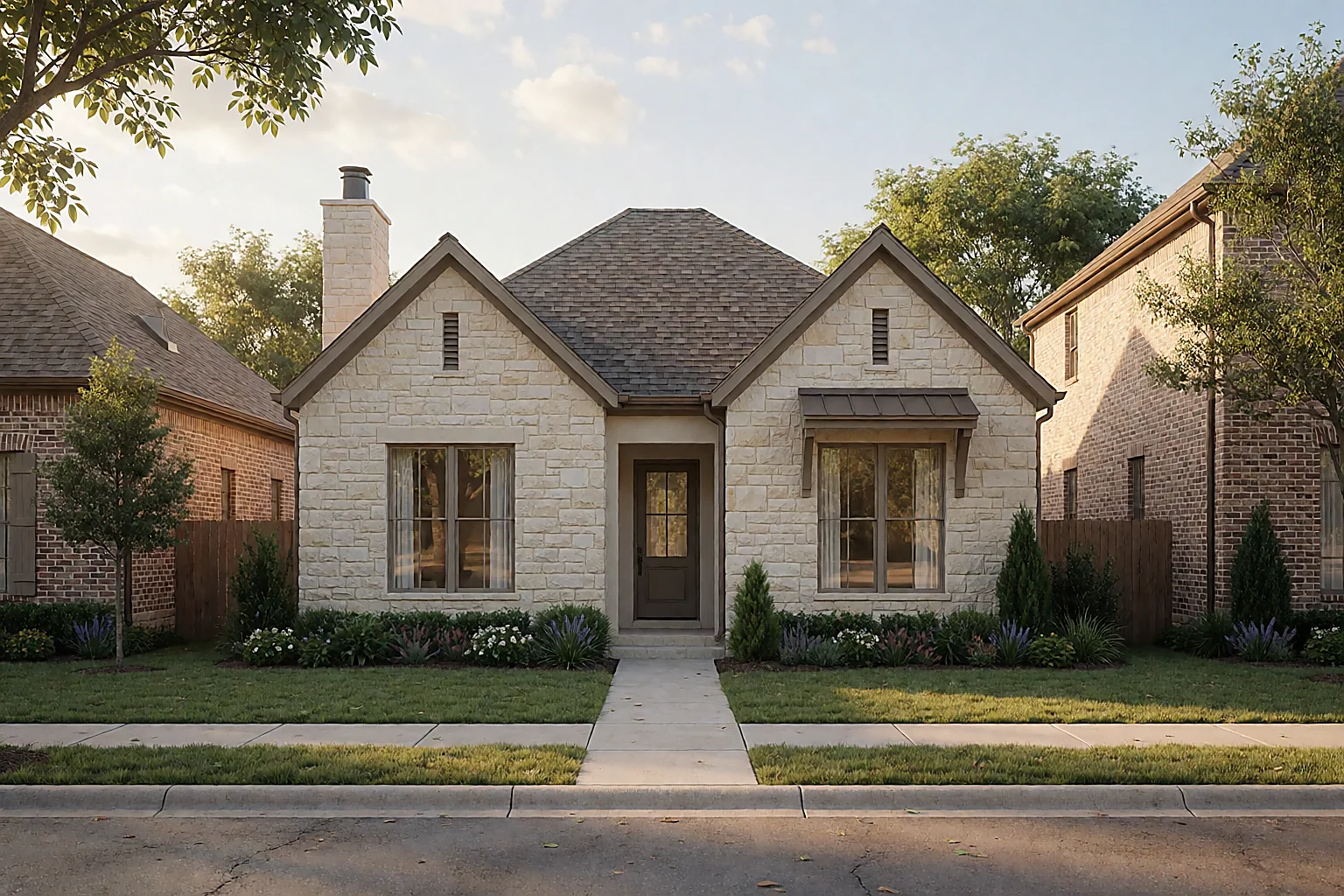
Distressed houses in East Dallas neighborhoods like Lochwood and Casa View routinely close with bridge financing before conventional lenders finish their paperwork review. That speed advantage is the product. Conventional underwriting requires verified income, stabilized occupancy, and a property that meets condition standards most distressed assets fail on day one. Bridge lenders underwrite the asset and the exit instead. Dallas investors using this financing tool need to understand how lenders price that flexibility, what collateral requirements actually look like deal-by-deal, and where the structure creates risk even when the underlying property is sound.
Bridge Loan Use Cases
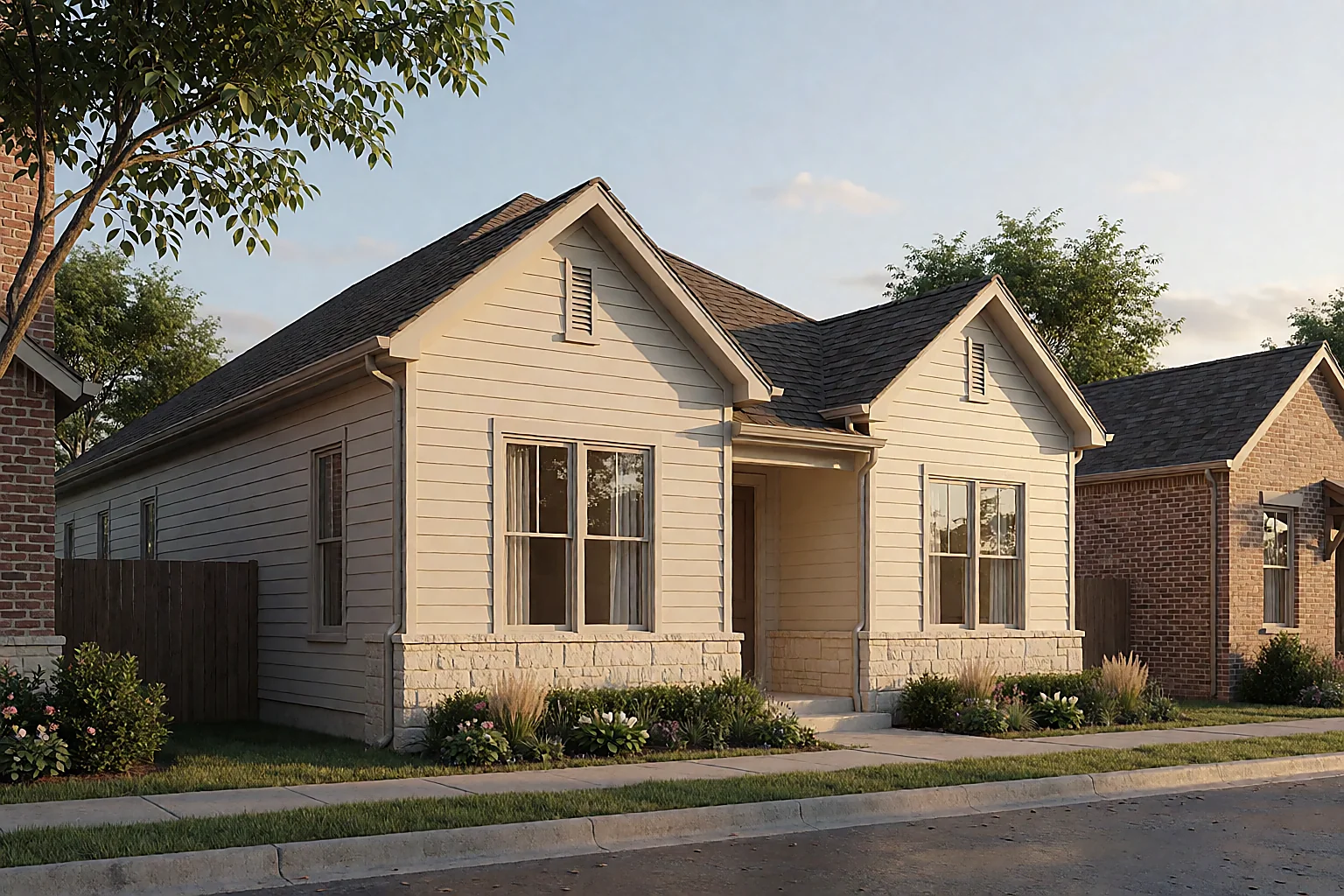
Fix-and-flip investors targeting distressed inventory in Lochwood, Casa View, and South Dallas use bridge financing because bank timelines cannot match the contract windows sellers accept in those submarkets. Deferred-maintenance properties and dated rentals near Fair Park draw similar demand. Speed is the structural advantage — but only when the loan closes when the lender says it will.
Urban-core submarkets present a different use case. Investors acquiring condos, townhomes, or small multifamily properties in Uptown, Deep Ellum, or the Design District often need a bridge loan to close before a property is stabilized. They then exit into DSCR or conventional financing once rental income is documented and occupancy is established.
Rehab-draw structures serve both scenarios. When a bridge loan includes renovation draws, disbursement timing is a critical detail — a draw that stalls mid-renovation forces contractors to pause, extends the holding period, and compounds carrying costs. Submarket conditions above reflect investor-facing research, not acquisition recommendations; borrowers should confirm local market conditions independently.
Collateral and Timeline

Once the use case makes sense, collateral and timing show whether a fast loan can actually close without creating new risk.
Dallas bridge lenders underwrite primarily against the asset. The valuation basis — as-is value, purchase price, or after-repair value — determines how much leverage is available. Lenders use different standards depending on property type and condition. Borrowers should ask which basis applies before running any leverage calculation.
Eligible collateral spans distressed single-family houses, SFR rentals, condos, townhomes, and small multifamily buildings. A condo in an urban-core submarket may face different loan-to-value caps than a distressed house in a transitional East Dallas neighborhood. Lenders sometimes list a wider range of eligible collateral than they actively close. Confirming which property types a lender has recently funded — not which types appear on a product sheet — is worth the verification step before investing time in a term sheet.
Fast-close marketing is common across Dallas hard-money lenders. Actual closing speed depends on appraisal or desktop valuation completion, title work, and borrower documentation delivery. A close that extends past the marketed timeline can cost an investor a contract. A written timeline tied to specific conditions — appraisal order date, title commitment turnaround, documentation checklist — is more reliable than a headline promise.
Rehab-draw loans introduce a separate timeline risk distinct from the initial close. Draws that do not fund when a contractor expects them stall the renovation, extend the holding period, and add carrying costs the original budget did not account for. Before signing, borrowers should ask how draws are requested, what documentation triggers disbursement, and how many business days the lender's draw process requires from request to funding.
Rates, Points, and Fees
After timing is clear, borrowers should price the whole stack rather than relying on the rate a lender leads with on the first call.
Bridge loan pricing reflects short duration, fast execution, asset-based underwriting, and collateral that conventional lenders decline. Understanding how each cost component behaves — not just the rate — is what lets borrowers compare Dallas lenders accurately.
Four components drive total cost: the annual interest rate, origination points charged at closing, extension fees triggered if the loan runs past its original maturity, and prepayment language governing early payoff. Origination points are a front-loaded cost paid at closing regardless of how long the loan runs. A one-point difference on a substantial loan amount is not a rounding error. Prepayment language matters on fix-and-flip deals that close faster than projected; some lenders charge a minimum interest period even when the property sells early.
Rehab-draw structures add a cost layer borrowers regularly underestimate. Interest may accrue only on drawn amounts, on the full committed loan balance, or on a combination of both. A four-month East Dallas renovation budgeted for two months carries materially different holding costs depending on which accrual method the loan uses. That distinction belongs in the written loan documents before commitment, not in a verbal explanation at the term sheet stage.
Extension fees compound the problem when a project runs long. A Dallas fix-and-flip delayed by permit backlogs or a slow resale season may face extension fees that exceed what looked like a clean origination cost at closing. Extension terms — the fee amount, the notice period required, and the maximum number of extensions permitted — should appear in writing at term sheet, not be discovered after the original maturity date passes.
Payoff and Exit Strategy
Cost only matters if the exit works; otherwise the cheapest bridge loan can become the most expensive money in the deal.
Bridge loans are short-term instruments. The repayment source retires them, and lenders will ask about that source before approving the loan. A vague or unmodeled repayment plan slows underwriting and signals deal risk the lender prices accordingly.
The two most common repayment paths on Dallas investor deals are resale after rehab and refinance into a DSCR or conventional loan. Each carries specific timing dependencies. Resale depends on Dallas market conditions at the time the completed property hits the market — not at the time of acquisition. Refinance depends on the takeout lender's underwriting requirements: a completed rehab, an acceptable appraisal, and for DSCR financing, a lease in place or documented rental income. Borrowers planning a DSCR refinance should confirm qualifying criteria with the takeout lender before closing the bridge, not after.
Appraisal shortfalls are a recurring pressure point. When a bridge loan is funded against a projected after-repair value, a completed-property appraisal below that projection leaves a gap between the bridge balance and available payoff proceeds. That gap affects how much equity the borrower can extract and whether the refinance proceeds fully retire the bridge. Modeling a downside scenario where the appraisal comes in ten to fifteen percent lower is standard underwriting discipline on any Dallas rehab deal.
Extension fees apply when resale or refinance takes longer than the original loan term allows. Permit delays, contractor scheduling, and soft seasonal resale markets all push timelines in ways that are predictable in aggregate even when specific delays are not. Repayment planning should include an explicit contingency for an extended timeline, with the extension cost modeled as a known deal expense rather than an unexpected penalty.
Licensing and Verification
Legal verification belongs in its own lane: important, source-dependent, and never something to bluff through because a closing is moving fast.
Licensing should be treated as a verification step, not a shortcut to confidence. Licensing rules for business-purpose investor loans in Texas can depend on the lender, borrower, property use, and transaction structure. Use NMLS Consumer Access when a lender provides an NMLS number, check the relevant state regulator for consumer-mortgage licensing context, and ask the lender to explain which entity is making the loan. For a specific Dallas transaction, confirm the licensing position with qualified counsel or the regulator before signing.
Borrowers should request a written fee schedule, written draw procedures if renovation financing is involved, and written extension terms before signing any commitment. Verbal explanations at the term sheet stage are not binding. Documentation discipline at the front end of a deal prevents disputes when timelines extend or costs exceed projections.
When to Walk Away
The walk-away test is simple: if the lender cannot explain the risk before closing, do not expect clarity after a problem shows up.
A lender who cannot produce a written fee schedule, written draw procedures, and written extension terms before commitment is not ready to close. If the fee sheet changes between term sheet and closing without a documented reason, that is a structural problem — not a miscommunication. Loan documents that omit extension terms entirely signal that those terms will be invented under pressure later. If the lender cannot identify which valuation basis was used at origination, the leverage math cannot be verified. Closing fast on a bad loan is worse than missing the deal.
Additional resources: Dallas providers, provider directory, comparison guide.