Bridge Loans in Chicago: How Real Estate Investors Can Compare Lenders
July 6, 2026
Bridge Loan Use Cases
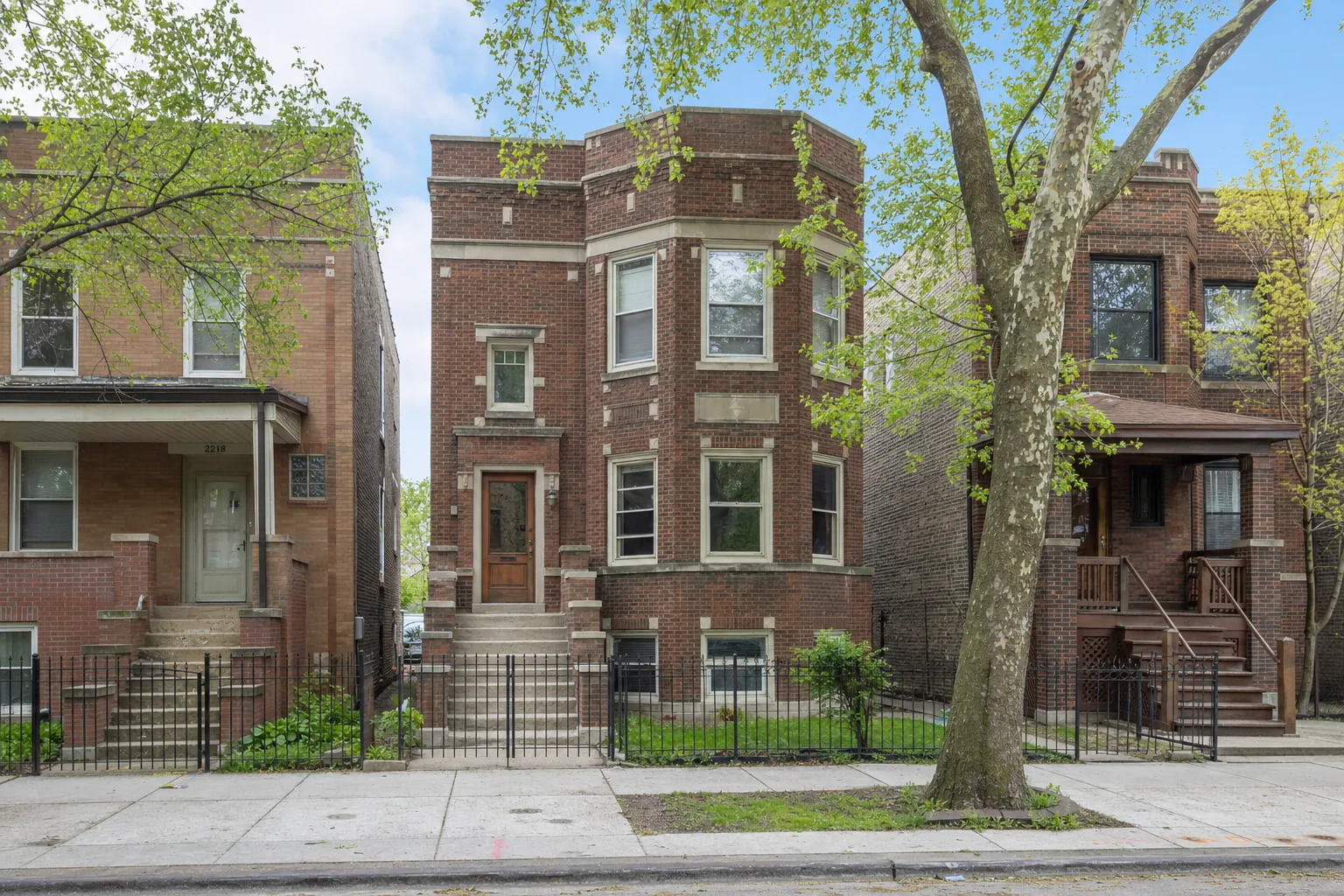
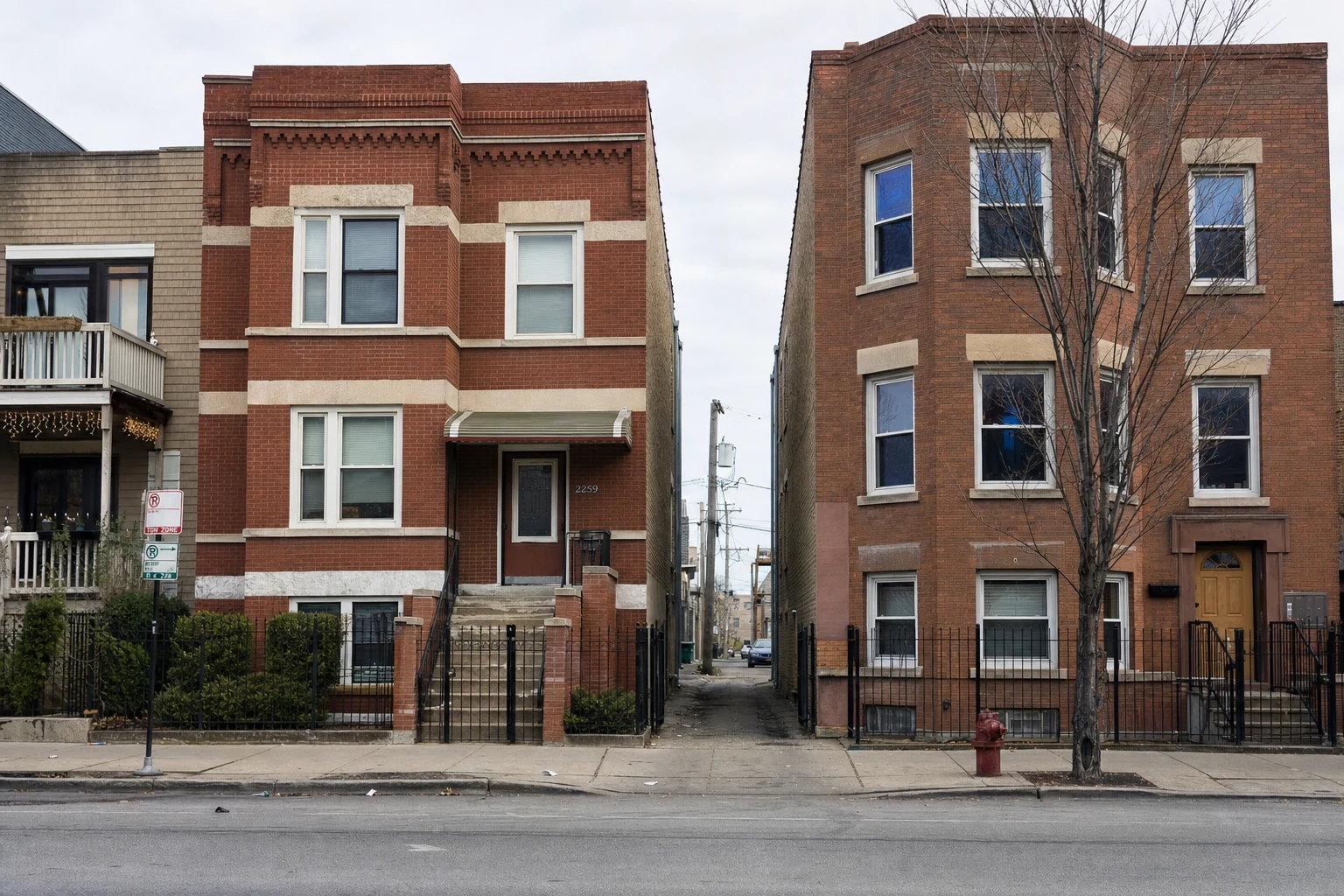
The mid-project capital gap is the most common reason Chicago investors use bridge financing. A rehabbed property that isn't yet rentable or saleable can't qualify for permanent financing. Bridge loans solve that timing problem, not a permanent capital problem. Understanding that distinction matters when choosing between lenders.
Fix-to-rent and fix-to-sell projects use bridge loans differently. A flip needs a clean ARV and a realistic sale timeline. A hold strategy requires rent evidence, lease-up projections, and a demonstrable path to DSCR refinancing. Bring documentation that matches your actual exit, not the one that's easier to assemble.
Chicago's neighborhood-level price variation is sharp. Lower West Side comps are not interchangeable with Pilsen data, and lenders familiar with Chicago know that. A lender who doesn't ask which neighborhood—or who accepts blended metro-area data—is not underwriting your deal carefully.
Bridge loans also serve acquisition financing when a buyer needs to close before permanent financing is in place. That scenario adds a separate layer of exit dependency. Lenders will want to see the permanent financing path, not just the purchase rationale.
Collateral and Timeline
Once the use case makes sense, move straight to collateral and timing because that is where fast loans usually prove whether they are real.
Chicago bridge lenders evaluating mid-project properties work from two valuations simultaneously: as-is condition and after-repair value. A partially completed rehab requires the lender to underwrite both rather than rely on a stabilized comparable. Ask each lender which figure drives maximum loan sizing and how they weight the two.
Draw structures matter more than most first-time borrowers expect. Construction-phase bridge loans rarely disburse all funds at closing. Lenders schedule draws tied to completed work, verified through inspections. Ask specifically whether a lender uses third-party inspectors, how quickly draws are processed after inspection approval, and whether draw delays create contractor scheduling exposure.
Borrower track record functions as a collateral-adjacent factor. An experienced investor with completed 2-to-4-unit rehabs in comparable Chicago neighborhoods may receive different terms than a first-time borrower on the same property. Documented project history—cost summaries, before-and-after valuations, final sale or rental outcomes—gives underwriters something concrete to evaluate. Assemble it before your first call.
Multifamily collateral in Chicago, including properties with coach houses or ADU units, introduces valuation complexity that stabilized single-family assets don't carry. Those pricing decisions often appear in leverage limits or adjusted rates. Ask each lender to explain what drives their decision on your specific asset type, not just their standard product terms.
Days-to-close figures are lender-stated claims, not contractual commitments. Actual timing depends on documentation readiness, title status, appraisal turnaround, and the lender's current pipeline. Get a realistic closing timeline in writing, including what borrower-side delays could extend it.
Rates, Points, and Fees
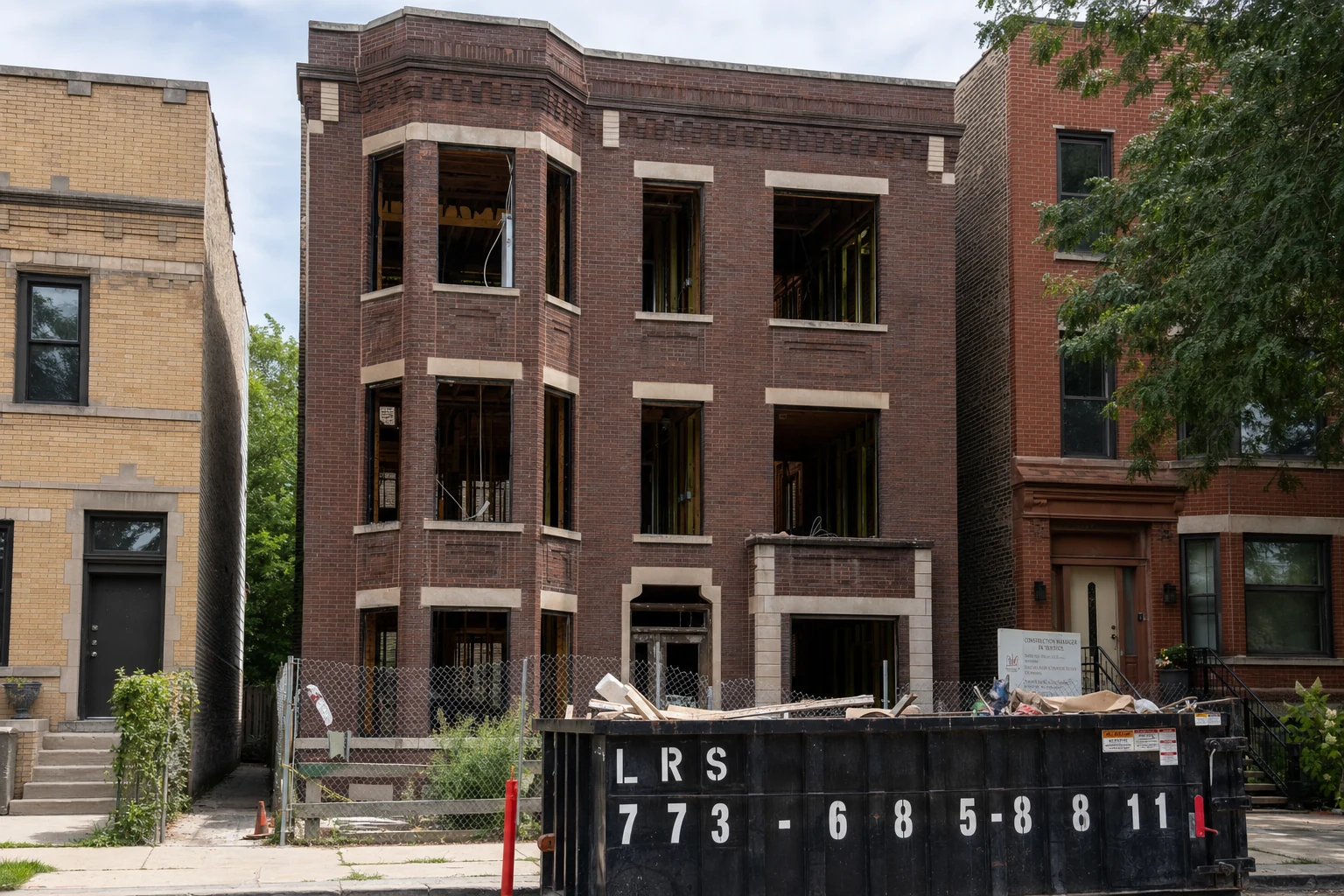
After timing, price the whole stack, not just the rate a lender leads with on the first call.
Bridge loan pricing involves at least three separate cost layers: the annual interest rate, origination points charged as a percentage of the loan amount, and lender fees covering underwriting, processing, and document preparation. Pricing varies by lender, property condition, requested leverage, borrower experience, and local market factors. Direct lender comparison is the only way to establish actual numbers for your specific deal.
Mid-project collateral and unfamiliar property configurations carry underwriting risk that stabilized assets don't. Lenders pricing that risk may adjust their rate, their points, or their maximum loan-to-value rather than state it openly. Ask each lender to explain exactly what in your deal profile is driving their cost structure. Vague answers about "market conditions" are not sufficient.
Beyond rate and points, request a complete written fee schedule before proceeding. Extension fees, draw inspection charges, prepayment terms, and default interest provisions are all cost variables that can significantly change a loan's total expense. A lower headline rate means little if fees accumulate across a six-month rehab. Compare total projected cost across lenders, not the number quoted first in a phone call.
Prepayment language deserves specific attention on bridge loans. Some lenders charge prepayment penalties even on short-term instruments, which affects the economics of a fast sale exit. If your strategy depends on selling quickly after completion, read the prepayment clause before signing—not after the property goes under contract.
Payoff and Exit Strategy
Cost only matters if the exit works; otherwise the cheapest bridge loan can become the most expensive money in the deal.
Bridge lenders underwrite expecting a defined exit. The two exits most commonly accepted are a sale of the rehabbed property or a refinance into permanent financing—a conventional investment loan or a DSCR product. An open-ended hold with no clear payoff path will not satisfy underwriting requirements at most lenders.
A refinance exit depends on demonstrated rental income, not projected income. Permanent lenders reviewing a stabilized rental property want signed lease agreements and occupancy evidence. A borrower who cannot show a realistic path to those benchmarks before closing a bridge loan is carrying refinance risk. Lenders will price that risk or decline the deal.
Sale exits require ARV support from comparable closed sales within the same neighborhood. Chicago's price variation between adjacent neighborhoods is significant enough that lenders will scrutinize comp geography closely. Bring neighborhood-specific data, not the strongest comps available from a wider radius.
Read the extension clause before you sign—not when your original term is about to expire. Most bridge lenders charge fees when projects run long. Some reserve discretion to reassess terms or decline entirely. Ask what triggers an extension, what it costs, and whether the lender has ever refused one. That last question reveals more than the written terms do.
Licensing and Verification
Keep legal verification in its own lane: important, source-dependent, and not something to bluff through because a closing is moving fast.
HardMoneySearch.com is an informational directory. Listings do not constitute endorsements. Verify all lender credentials via NMLS Consumer Access before entering any loan agreement.
One more comparison borrowers should make before choosing a Chicago bridge lender: ask each lender to walk through the same downside case. Assume the appraisal comes in lower than expected, the first draw is delayed by a week, and the refinance lender asks for another round of documentation. A useful lender can explain what happens to your rate, reserves, extension options, and payoff timing in that scenario. A weak lender changes the subject and points back to the headline rate. That's not a discount; that's a warning.
When to Walk Away
The walk-away test is simple: if the lender cannot explain the risk before closing, do not expect clarity after a problem shows up.
If the lender cannot give you the fee schedule, draw triggers, extension math, and payoff contact in writing, borrowers should not treat that as a paperwork delay; borrowers should treat it as the deal talking back. For Chicago, where a rehab, refi, or sale can move on a tight timeline, vague servicing and vague extension terms are not small problems. They are exactly the places where a bridge loan gets expensive after you have no leverage left. Walk before the loan terms depend on everything going perfectly.
Additional resources: Chicago providers, provider directory, comparison guide, https://www.nmlsconsumeraccess.org/.