Bridge Loans in Atlanta: How Real Estate Investors Can Compare Lenders
July 4, 2026
The rate on an Atlanta bridge loan is usually the loudest number in the room. It is not always the number that decides whether the deal works. Points, extensions, inspection fees, reserves, and payoff language can move the real cost more than a small rate difference.
So borrowers should compare the whole cost stack, then ask what happens when the hold period runs longer than planned. A cheap-looking bridge loan with expensive failure points is not cheap; it is just well dressed.
Bridge Loan Use Cases
Fix-and-flip in Grove Park and Bankhead is where bridge money earns its cost. These deals require speed at acquisition, staged capital through renovation, and a clean exit before the meter runs out. Grant Park and East Atlanta Village run hotter on ARV, which gives a cleaner exit margin — but the same draw-timing exposure exists regardless of neighborhood.
Suburban markets like Marietta, Decatur, and Alpharetta move differently. Rehab timelines stretch, carrying costs compound, and the resale buyer pool behaves differently at the price points these renovations produce. Budget accordingly.
Small multifamily conversions need a draw structure matched to phased occupancy, not a single-family flip schedule. One missed inspection milestone freezes the next draw entirely.
The DSCR bridge scenario — stabilize, then refinance out — only works if you have identified your exit lender and confirmed the numbers before closing.
Collateral and Timeline
Once the use case makes sense, move straight to collateral and timing because that is where fast loans usually prove whether they are real.
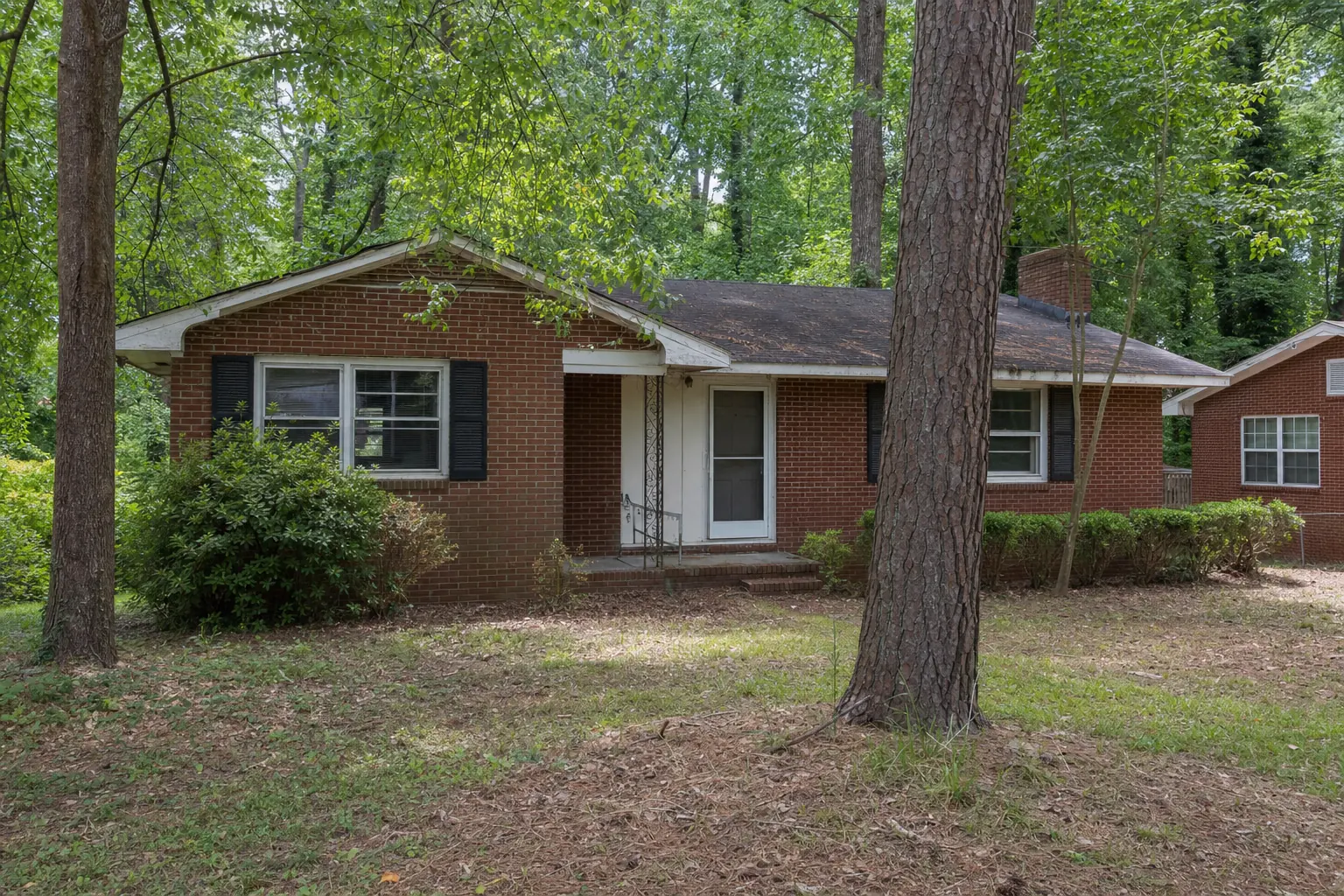
Atlanta bridge lenders underwrite against as-is value and ARV simultaneously. The as-is value sets the acquisition ceiling. The ARV determines how much renovation capital gets deployed. Single-family flips in Kirkwood or Ormewood Park fall into a well-worn framework. Small multifamily conversions often fall between frameworks, and an unfamiliar underwriter will sometimes misprice the risk badly in either direction.
The draw schedule is where most rehab bridges actually break. Funds release in stages, and each stage typically requires an inspection before the next tranche moves. Your GC finishes framing, you call for an inspection, the inspector shows up late, and you are suddenly two weeks into a funding gap with subs expecting payment. If your reserves are thin, that gap becomes a real problem fast.
Timeline is the collateral on a bridge loan just as much as the property is. Most Atlanta bridge loans are written for six to twelve months. That sounds comfortable until you factor in permit delays, a slow GC, or a resale market that softens mid-renovation. Ask your lender how they handle extension requests before you sign, not after you need one.
Map every inspection milestone against your GC's actual schedule, not the optimistic one. Your draw schedule is a cash flow model. Treat it that way. Build float into your timeline or build reserves to cover the gap when float disappears.
Rates, Points, and Fees
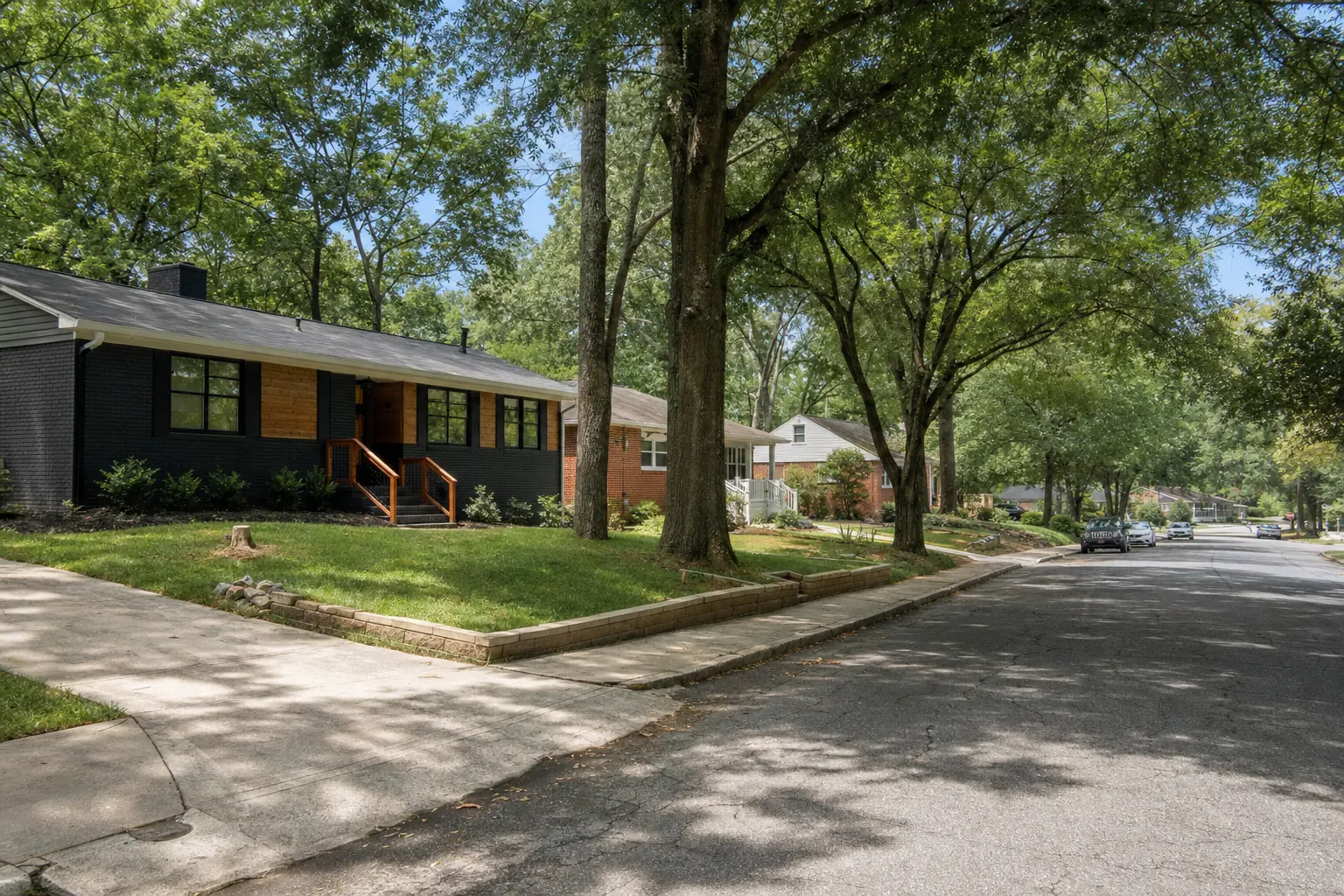
After timing, price the whole stack, not just the rate a lender leads with on the first call.
Bridge loan pricing in Atlanta varies by lender, loan structure, and collateral risk profile. Origination points represent a front-loaded cost paid at closing. Ancillary fees — underwriting, processing, doc prep, and inspection charges — stack on top. None of them appear in the headline rate, and some borrowers do not see the full picture until they are reviewing a closing disclosure.
On a rehab bridge, interest typically accrues against the full committed loan balance even while renovation draws are still releasing in stages. That means your effective carry cost is higher than the stated rate implies. Run your numbers on the full committed balance from day one — not on average outstanding balance, and not on the draw schedule you hope to hit.
Extension charges apply when your term expires before the exit is complete. They are common, they are expensive, and they are negotiated at the lender's discretion. Ask what the fee structure looks like, ask whether extensions are available at all, and build that cost into your downside scenario before you close. Some lenders treat renewal fees as a profit center. Know which kind you are dealing with.
Prepayment terms cut the other way. If you sell faster than expected, a prepayment penalty can claw back the savings you earned by moving quickly. Read that clause before you sign.
Payoff and Exit Strategy
Cost only matters if the exit works; otherwise the cheapest bridge loan can become the most expensive money in the deal.
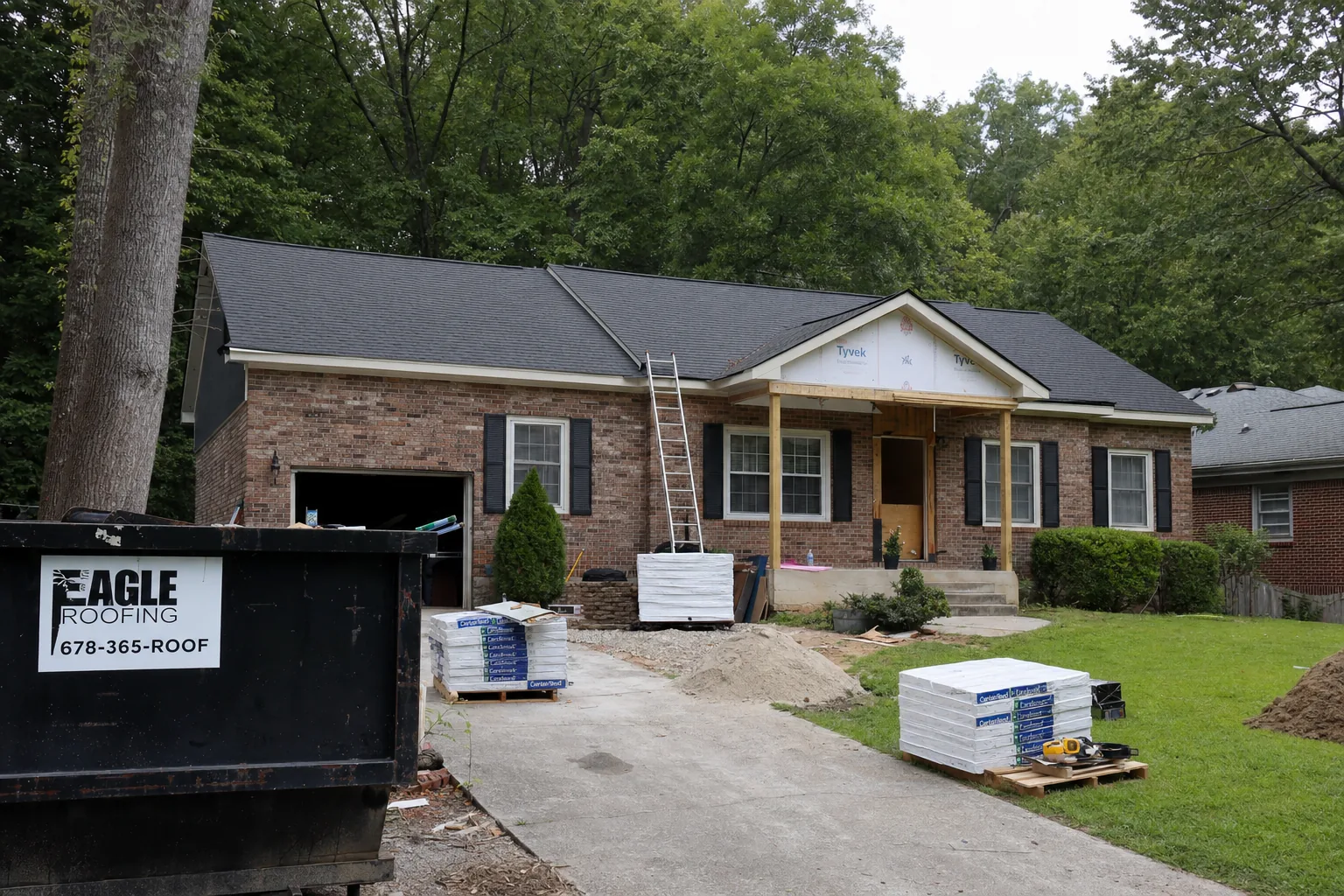
The exit has to be decided before the loan closes — not sketched out, decided. Experience shows that deals structured with two possible exits and no confirmed path to either one. That is not flexibility. That is optimism dressed up as a plan.
For a fix-and-flip exit, the sale price needs to clear the payoff balance, accrued interest, any fees already incurred, closing costs, and still leave the margin that justified the deal. Atlanta's intown resale market moves fast in good conditions. BeltLine-adjacent blocks can absorb a soft comp better than outer Fulton. Stale comps have killed flip margins on deals that looked clean at underwriting.
For a rental hold, the refinance has to close before the short-term note matures. Map the DSCR refinance requirements — minimum occupancy, seasoning period, appraisal methodology — before your short-term note closes. A DSCR lender who later appraises low, or who requires a seasoning period you have not satisfied, will trap you in extension territory with no clean way out. This is not a hypothetical. It is a common failure pattern on stabilize-then-refi deals.
The pattern is the warning: the deal can look fine on paper while the borrower-side math is already breaking.
Whether a lender funding your Grove Park flip is required to hold a Georgia Residential Mortgage License depends on loan purpose, property type, and how the transaction is structured. Georgia regulates residential mortgage lending through the Department of Banking and Finance. Business-purpose loans on investment property may fall under different requirements than owner-occupied lending. Specific licensing requirements vary by transaction, and you should confirm what applies to yours with the Georgia DBF or qualified legal counsel.
One more comparison borrowers should make before choosing an Atlanta bridge lender: ask each lender to walk through the same downside case. Assume the appraisal comes in lower than expected, the first draw is delayed by a week, and the refinance lender asks for another round of documentation. A useful lender can explain what happens to your rate, reserves, extension options, and payoff timing in that scenario. A weak lender changes the subject and points back to the headline rate. That's not a discount; that's a warning.
When to Walk Away
The walk-away test is simple: if the lender cannot explain the risk before closing, do not expect clarity after a problem shows up.
Some deals deserve a hard no before you ever reach the term sheet. Walk away when the lender cannot explain the draw release process clearly. Walk away when the fee stack only reveals itself at closing. Walk away when extension terms are vague or entirely at lender discretion. Deals that only work under perfect conditions are not deals — they are bets. If the exit math requires the top of the resale range, a fast close, and an appraisal that hits exactly, you are one soft comp away from a loss. Recognize that before you commit, not after.
Additional resources: Atlanta providers, provider directory, comparison guide, https://www.nmlsconsumeraccess.org/, Georgia regulator.
*Disclaimer: This content is for informational purposes only and does not constitute legal, financial, or lending advice.