Houston Real Estate Investment Financing: Hard Money vs Bridge vs DSCR Loans
June 23, 2026
Financing a duplex in The Heights calls for a different loan structure than flipping a bungalow in Montrose—and Houston lenders underwrite them differently. The collateral profile, exit strategy, and neighborhood rental dynamics all shape which product fits. Hard money, DSCR, and conventional bank loans are not interchangeable tools. Each serves a specific stage of the investment cycle, and choosing the wrong structure costs time, deals, or both. Houston's submarkets amplify that complexity. Outer neighborhoods carry different ARV assumptions and rent profiles than urban-core areas like Midtown or EaDo. A lender who underwrites Houston broadly may not understand what drives value at the property level. The sections below break down each loan type, what separates them in practice, and what to verify before committing to any lender.
Hard Money vs Private Money
Hard money lenders operate with standardized criteria: asset value, loan-to-value ratio, after-repair value, and a credible exit strategy. Private money lenders are typically individual capital sources whose terms shift deal to deal. Both fund Houston investor scenarios—SFR flips in Montrose, BRRRR acquisitions in The Heights, small multifamily purchases in Midtown. The difference is consistency.
Neither "hard money" nor "private money" is a protected regulatory label under Texas business-purpose investment loan rules. The same lender name can describe very different capital structures. One lender marketing as a hard money shop may be drawing from a pooled fund. Another may be a single high-net-worth individual with flexible terms and no formal underwriting process.
Before engaging any lender, ask three questions directly: Who provides the capital? Who services the loan through payoff or sale? What does the underwriting process actually review? Those answers surface more than any marketing label will.
Hard Money vs DSCR Loans
Hard money loans and DSCR loans serve different stages of the same investment cycle. Hard money funds acquisition and renovation, with underwriting built around property value, ARV, and exit strategy. DSCR loans underwrite against rental income relative to debt service—making them relevant once a Houston rental property is stabilized and generating income.
That sequence matters because Houston investors commonly run the BRRRR strategy: acquire a distressed property with hard money, renovate it, rent it, then refinance into a DSCR loan. Each leg has its own underwriting logic. Getting that transition wrong delays or kills the refinance.
Ask each DSCR lender exactly how they define "stabilized." Some require seasoned leases with documented payment history. Others will underwrite against a market rent appraisal without an existing tenant. The definition shapes your entire exit timeline from the hard money position.
Houston's submarket rental dynamics add another layer. The Heights, Midtown, and Montrose command different rent profiles than outer Houston neighborhoods. A DSCR lender modeling debt service coverage against a citywide average may approve a loan that won't perform—or reject one that would. Confirm that any DSCR lender uses submarket-level rent data, not a broad Houston metro figure.
The practical questions differ by loan type. For hard money, ask how the lender values the property before and after rehab and how draw disbursements work during renovation. For DSCR, ask what documentation establishes rental income, whether projected rents are acceptable or an existing lease is required, and whether property type—SFR, duplex, small multifamily—affects the required coverage ratio. Those answers determine whether the deal pencils across both legs of the strategy.
Hard Money vs Bank Loans
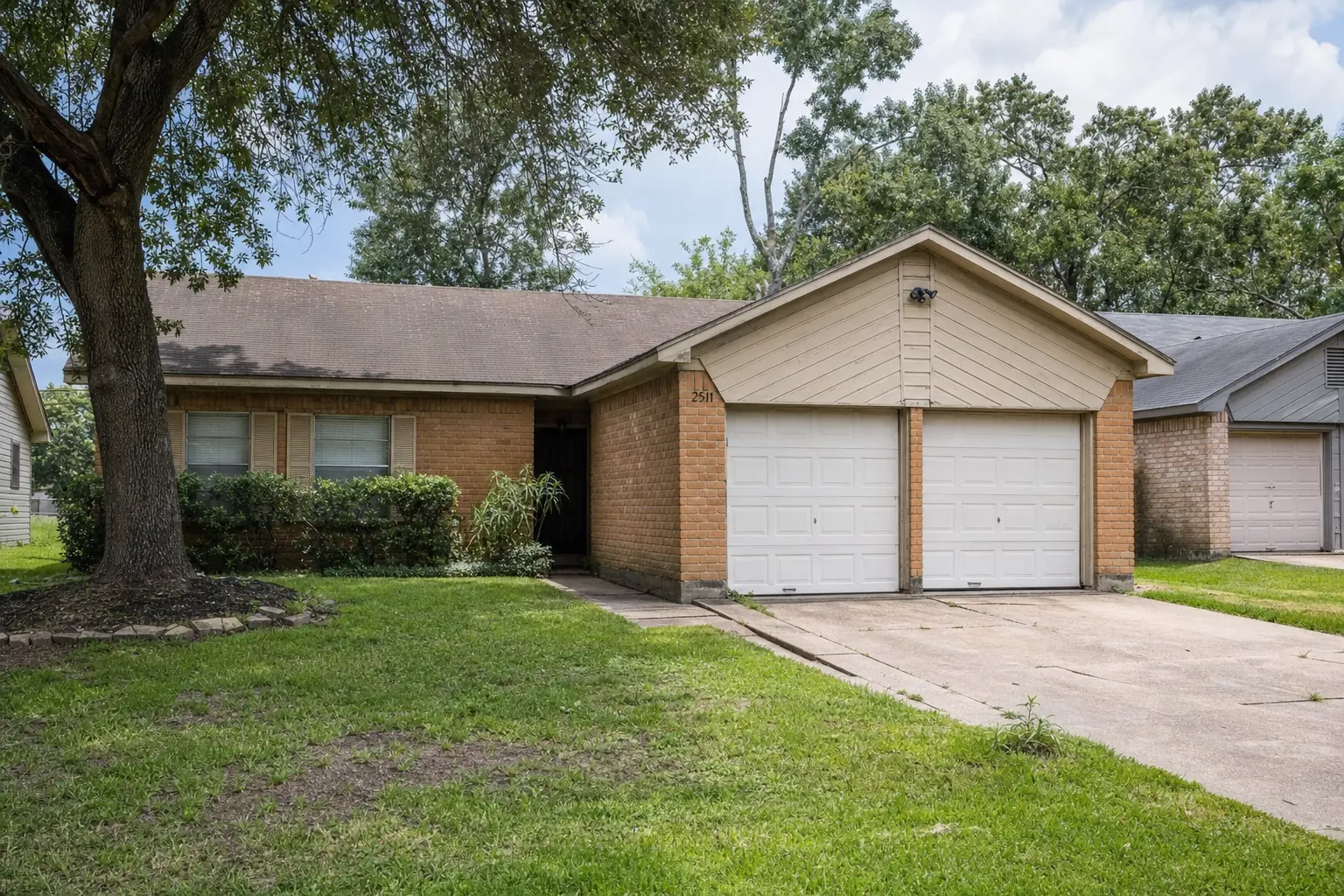
Conventional banks underwrite investment loans on W-2 income, tax returns, and debt-to-income ratios. That framework excludes many Houston investors whose income is complex, irregular, or spread across multiple properties. Hard money lenders underwrite on asset value, ARV, and a credible exit strategy instead.
Speed separates these two structures in practice. Banks typically require full appraisals, committee review, and documentation cycles that stretch weeks. Hard money lenders close faster because underwriting centers on the property, not employment history. For a competitive SFR acquisition in Montrose or Midtown, that timing gap can determine whether a deal closes at all.
Property condition creates another hard division. Conventional lenders routinely decline properties with deferred maintenance, code violations, or missing systems. Those same conditions are often the entire point for a Houston fix-and-flip buyer. Hard money lenders assess what the property will be worth post-renovation—not what it appraises for in distressed condition today.
The tradeoff is cost and term length. Bank loans carry longer amortization schedules and generally lower pricing than hard money. Hard money loans are short-term instruments requiring repayment at sale or refinance within months, not decades. That structure fits a flip or BRRRR play. It does not fit a long-term hold.
Borrowers comparing these channels should ask each hard money lender how they value properties in the target submarket, who controls draw approvals on rehab funds, and what happens if the project timeline extends. Banks rarely offer rehab draws at all. That structural difference—not just speed or credit flexibility—is what makes hard money relevant to Houston investors acquiring properties that need work before they can perform.
Compare Rates, Points, and Fees
Pricing vocabulary matters before you compare lenders. The interest rate is the annual cost of the loan. Points are origination fees expressed as a percentage of the loan amount, paid at closing. Additional fees may include underwriting charges, draw inspection costs on rehab loans, and extension fees if your timeline runs long—each adds to total cost in ways the headline rate won't show.
A lender quoting a lower rate while charging higher points may cost more overall than one quoting a higher rate with fewer fees. Total cost requires a side-by-side calculation across all three categories, not a headline comparison. Two offers with identical rates can carry meaningfully different costs depending on how fees are structured.
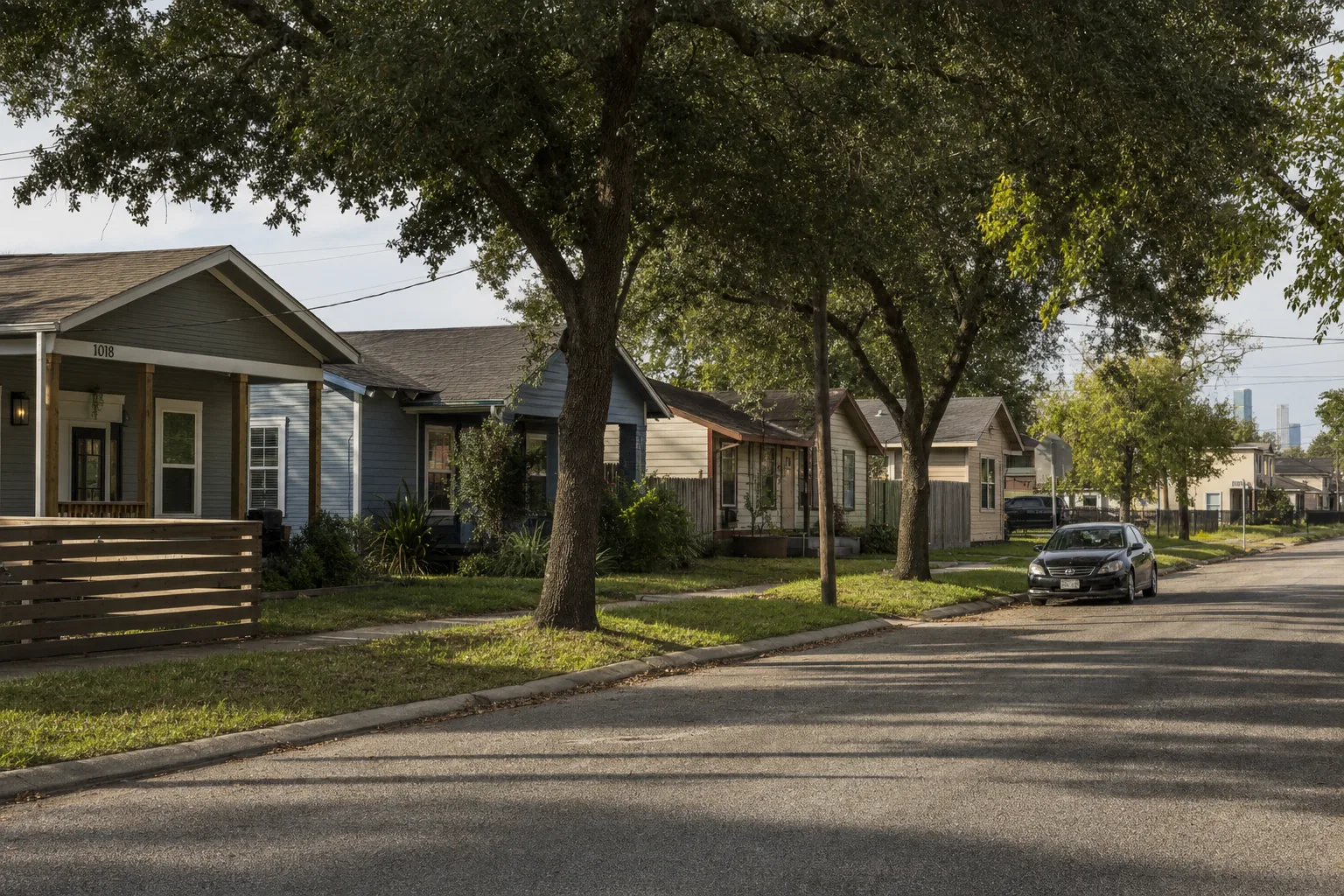
Property type and submarket affect pricing in Houston because lenders assess collateral risk differently across neighborhoods. A fix-and-flip in Montrose carries different ARV assumptions than a comparable project in an outer Houston submarket. A DSCR product on a Heights duplex gets underwritten against local rental income, not a citywide average. Lenders with direct Houston experience should explain how they arrive at values and rent assumptions for the specific property—not just reference general metro data.
When gathering competing quotes, ask each lender to itemize all fees, state the rate basis, confirm whether points are paid at origination or rolled into the loan, and explain extension and prepayment terms. Ask about draw fees and inspection costs separately on rehab products. Request a written term sheet from each lender. That document makes a genuine side-by-side comparison possible and removes ambiguity about what was quoted versus what closes.
Licensing and Verification
Texas does not generally require a mortgage license for business-purpose, non-owner-occupied investment loans. That distinction matters because borrowers often assume every lender advertising in Houston carries the same credentials. The Texas Department of Savings and Mortgage Lending (sml.texas.gov) regulates residential mortgage origination for owner-occupant borrowers—not the hard money and DSCR investor loans most Houston deal-makers use.
That regulatory gap puts verification responsibility on the borrower. When a lender provides an NMLS number, confirm it through NMLS Consumer Access before signing anything. When a lender does not provide one, ask directly whether the loan product triggers any state registration or disclosure obligation under Texas law.
Houston has both locally branded lenders and national lenders targeting Texas investors. A local address does not confirm that a lender understands Montrose rehab budgets, Heights duplex valuations, or Midtown draw processes. Ask each lender which specific submarkets they have closed deals in recently and how they document that familiarity. Vague references to "the Houston market" are not an answer.
Beyond licensing, get straight answers on four questions before committing. First, who actually funds the loan—the company marketing it or a separate capital source? Second, will the same entity service the loan through payoff or sale? Third, does the lender use in-house valuation, a third-party appraisal, or a desktop review for ARV? Fourth, what is the extension fee and process if the project runs long?
Cross-check what any lender tells you against their published terms, NMLS records, and the Texas SML regulator site. Stated claims about speed or approval likelihood are starting points—your own verification is what closes the gap.
Choosing the Right Option
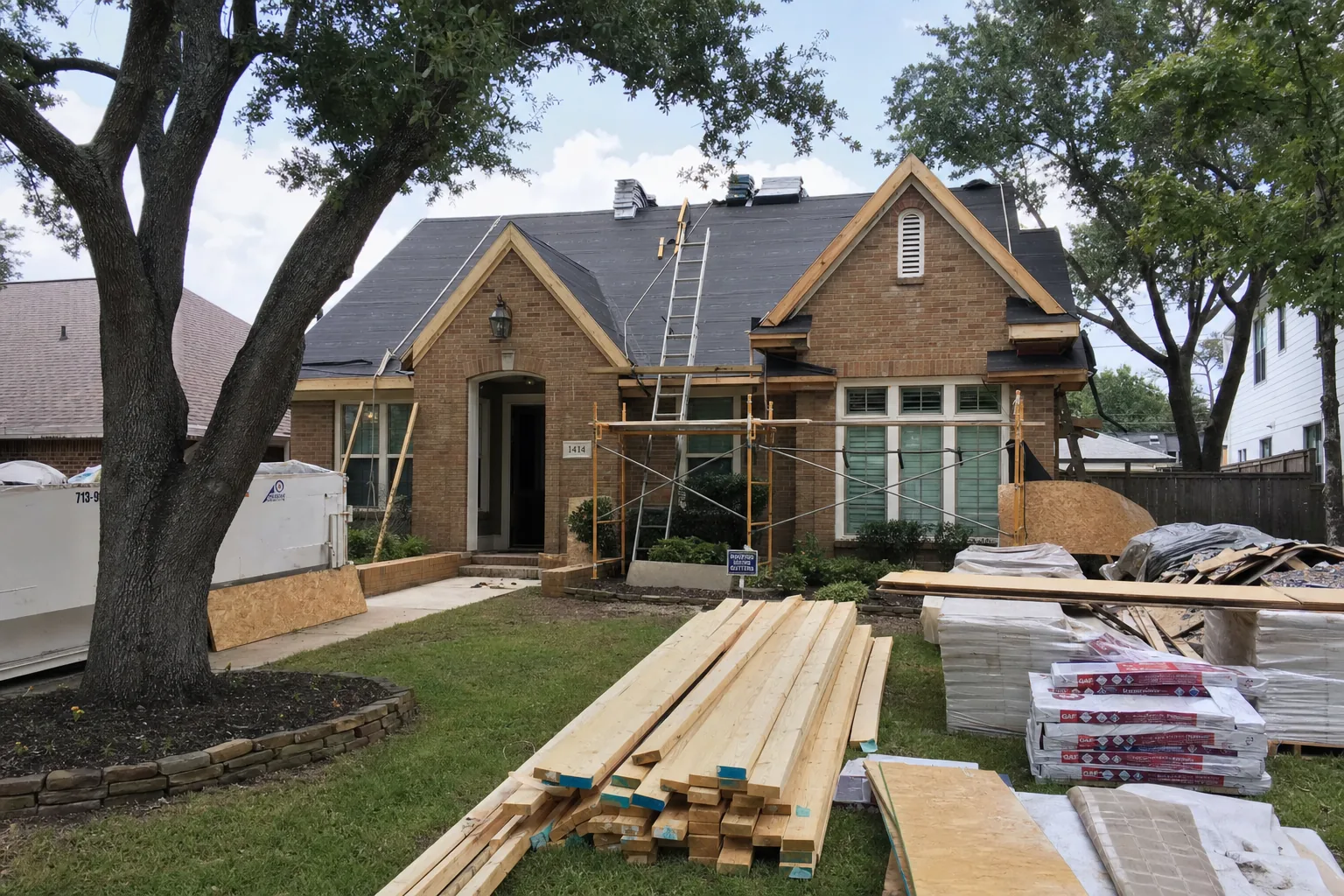
A short-term flip in Montrose calls for hard money. A stabilized duplex in The Heights held for rental income calls for DSCR. A heavily distressed property that needs work before it qualifies for anything calls for hard money first, with a clear refinance path built in before you close.
Before contacting any lender, know your exit strategy. That single decision narrows the relevant loan types, the right lender category, and the questions worth asking. Bring a specific property address, a realistic rehab budget, and a defined timeline. Lenders underwrite deals—not concepts.
Additional resources: Houston providers, provider directory, comparison guide, https://www.nmlsconsumeraccess.org/.