Hard Money Loans in Houston: What Real Estate Investors Need to Know in 2026
May 20, 2026
Real estate investors working The Heights, Midtown, and Montrose rental markets often discover that neighborhood-specific property reviews matter more than citywide lending claims when sourcing hard money. Houston's scale creates distinct submarkets where lenders evaluate properties through different filters based on local expertise, renovation patterns, and rental demand.
Some lenders claim Houston coverage but route decisions through distant underwriting teams. Others maintain genuine local relationships with contractors, inspectors, and title companies. The difference affects your project timeline more than marketing claims suggest.
Property location influences more than values. Heights townhome rehabs require different expertise than Montrose mixed-use conversions or Midtown high-rise investments. Lenders comfortable with urban-core projects may price differently than those focused on suburban construction. Compare how each lender actually handles your specific property type and location.
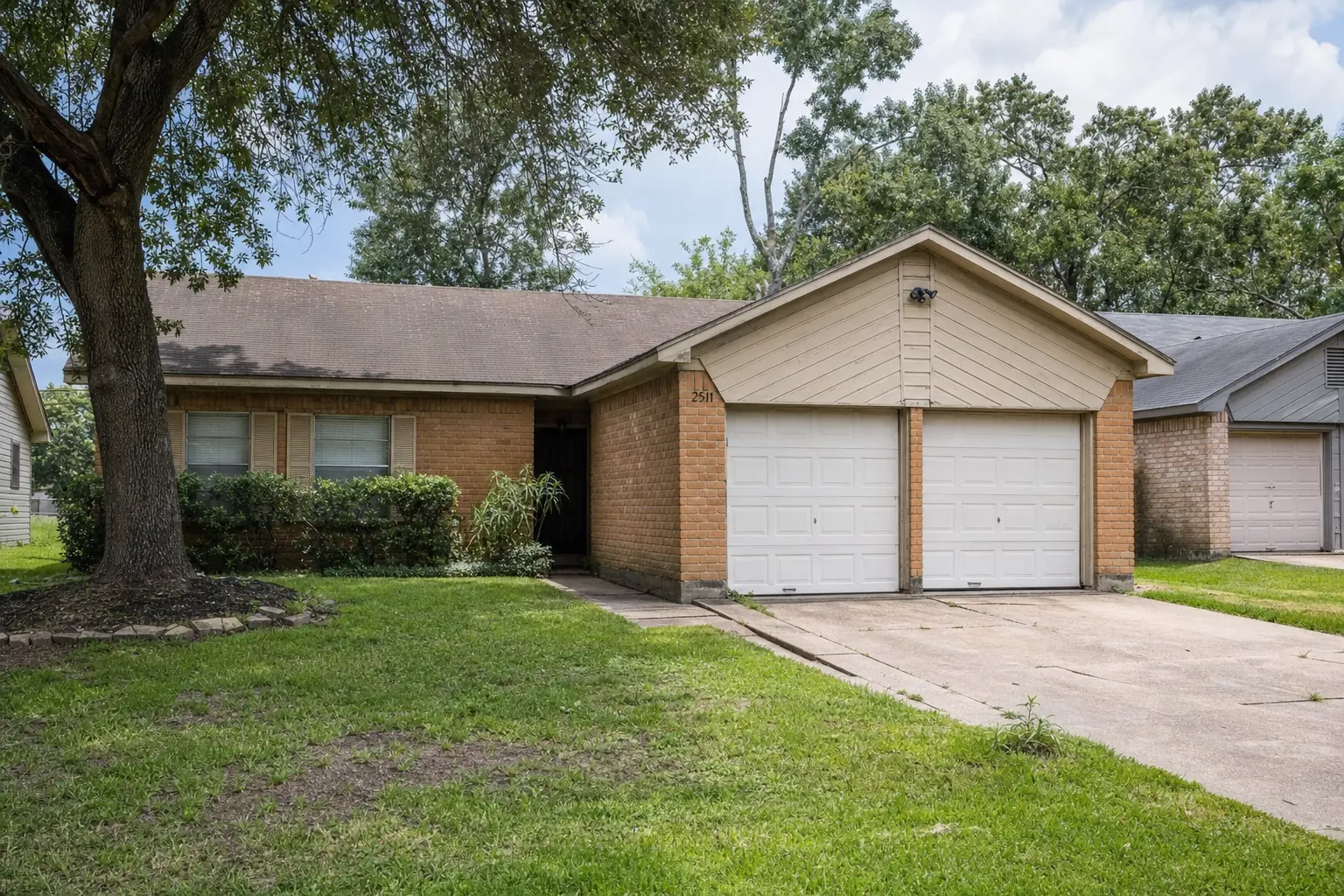
Local Overview
Houston's hard money landscape includes both regional direct lenders and national firms serving Texas from multiple offices. Local presence doesn't guarantee superior terms or faster closings. Some Houston-branded lenders operate through third-party brokers, while national firms may offer more competitive rates through direct origination.
The metro's diversity creates specialized lending niches. Some lenders focus exclusively on single-family flips, others concentrate on rental portfolio acquisitions, and construction specialists handle ground-up development with milestone-based draws. Property types ranging from Heights bungalows to Galleria office buildings require different underwriting approaches.
Market knowledge varies significantly between lenders claiming Houston expertise. True local familiarity shows in understanding Harris County appraisal processes, flood zone implications, foundation issues common to Houston soil, and neighborhood-specific renovation costs. Test this knowledge during initial conversations.
Texas regulatory framework affects all lenders differently based on loan purpose and borrower type. Business-purpose loans on investment properties face fewer disclosure requirements than owner-occupied financing, but legitimate lenders should explain their compliance approach clearly.
Who Uses Hard Money Loans
Fix-and-flip investors dominate Houston's hard money market, acquiring distressed properties with quick closes before renovating for resale. They need acquisition financing plus rehab budgets released through draws tied to project milestones. Timeline pressure makes conventional mortgage delays unacceptable.
Rental property investors use hard money for initial acquisition, then refinance into DSCR loans based on rental income rather than personal income documentation. BRRRR strategy investors (buy, rehab, rent, refinance, repeat) rely on hard money for acquisition and renovation phases before transitioning to long-term financing.
Construction and development projects require draw-based funding synchronized with permits, inspections, and contractor schedules. These borrowers need lenders comfortable with phased releases, cost overrun management, and timeline adjustments. Ground-up construction carries different risk profiles than rehab projects.
Out-of-state investors target Houston rental markets, particularly short-term rental opportunities near downtown or medical center areas. Remote investors face additional documentation requirements and should verify local STR regulations before committing. Houston's size means neighborhood regulations vary substantially.
Commercial and mixed-use property investors need flexible underwriting for warehouse conversions, retail spaces, or multi-unit apartment buildings. These projects often exceed residential loan limits and require specialized appraisal approaches.
Small multifamily investors building rental portfolios represent steady hard money demand. Duplexes, fourplexes, and apartment buildings under ten units generate consistent deal flow for lenders comfortable with rental property underwriting.
What Hard Money Lenders Look For in Houston
Houston lenders evaluate borrower liquidity, property cash flow potential, and exit strategy clarity before conducting property-specific valuations. Credit scores matter, but proven real estate experience and available reserves often weigh more heavily than traditional debt-to-income ratios.
Property condition, location, and comparable sales drive valuation decisions. Lenders review renovation budgets for accuracy, timeline feasibility, and contractor qualifications. Some require licensed contractor estimates, others accept borrower-generated scopes. These differences affect project approval and draw processes significantly.
ARV calculations for flip properties require neighborhood-specific comparable sales analysis. The Heights historic district renovations command different pricing than Cypress suburban flips. Lenders experienced in your target area provide more accurate valuations and appropriate loan sizing.
Rental property evaluations focus on cash flow sustainability and market rent verification. Montrose properties near nightlife may generate higher rents but face noise complaints. Midtown units near medical center command premium pricing but require parking considerations. Local market knowledge shows in these details.
Construction projects demand detailed budget review, contractor qualification verification, and timeline milestone planning. Some lenders require general contractor licensing, others accept owner-builder arrangements. Progress inspection requirements vary from simple photo uploads to third-party verification.
Geographic concentration affects lender comfort levels. Some maintain focus areas within 610 Loop, others cover greater Houston including surrounding counties. Borrowers benefit from matching lender geography with property locations rather than assuming citywide coverage means equal expertise everywhere.
Rates, Points, and Loan Terms
Rates, points, loan-to-value limits, ARV limits, fees, and days-to-close are informational ranges only when sourced. They are not guarantees, quotes, commitments to lend, or financial advice. Actual terms vary by lender, borrower qualifications, property type, leverage, location, and underwriting review.
Houston hard money rates fluctuate based on borrower experience, property type, and project complexity. Fix-and-flip loans typically carry higher rates than stabilized rental acquisitions. Construction projects often price above standard rehab financing due to completion risk and extended timelines.
Points represent origination fees charged at closing, typically ranging from competitive levels to premium pricing depending on loan structure. Some lenders offer lower points with higher monthly rates, others front-load costs through higher points with reduced carrying costs. Compare total borrowing expense across different structures.
Loan-to-value limits depend on property condition and borrower strength. Purchase LTV often differs from ARV-based lending on renovation projects. Combined loan-to-cost ratios may reach higher levels when including rehab budgets, but cash investment requirements still apply.
Draw schedules significantly impact total interest costs on renovation projects. Interest accrues only on drawn amounts with most lenders, making efficient draw timing crucial for cost management. Some lenders require interest reserves, others allow payment from other sources.
Extension options matter when projects exceed initial timelines. Houston's permit processes, weather delays, and contractor availability can extend renovation schedules. Compare extension fees and availability before committing to aggressive completion timelines.
Houston's competitive market means pricing negotiations often succeed with qualified borrowers and desirable properties. Multiple lender quotes provide support for rate improvements or fee reductions.
How to Verify a Lender
NMLS Consumer Access provides comprehensive lender verification through federal database searches. Enter company names or NMLS ID numbers to review licensing status, regulatory history, and enforcement actions. This database covers lenders required to maintain NMLS registration for residential mortgage activities.
Texas Department of Savings and Mortgage Lending maintains state oversight of residential mortgage lending. Their website offers complaint resolution resources and regulatory guidance specific to Texas borrowers. Check for state-level enforcement actions or consumer alerts affecting potential lenders.
Business-purpose hard money loans on non-owner-occupied investment properties operate under different regulatory requirements than residential mortgages. Lenders may not require traditional mortgage licensing for these transactions. Ask directly about licensing status for your specific loan type and intended property use.
Cross-reference marketing claims with official records rather than accepting stated credentials at face value. Verify geographic coverage by confirming recent loan activity in your target area. Some lenders claim broad coverage but concentrate operations in limited markets.
Review complaint histories and regulatory examination findings when publicly available. NMLS Consumer Access includes enforcement actions that may affect lender operations or borrower protections. Document your verification results through screenshots of database searches.
Request references from recent borrowers in similar transactions. Legitimate lenders provide contact information for closed deals matching your property type and timeline. Previous borrower experiences reveal operational capabilities beyond marketing descriptions.
Save verification documentation before proceeding with applications. Regulatory database searches, reference conversations, and licensing confirmations protect your interests if credential questions arise during loan processing.
HardMoneySearch.com is an informational directory. We are not a lender. Listings do not constitute endorsements. Verify all lender credentials via NMLS Consumer Access before entering any loan agreement.
Frequently Asked Questions
How do Houston neighborhood differences affect hard money lending decisions?
Houston lenders evaluate properties differently across neighborhoods based on renovation complexity, rental demand, and resale potential. The Heights historic properties require specialized contractor knowledge for foundation, electrical, and plumbing upgrades common to older homes. Midtown high-rise investments need different expertise than suburban single-family flips.
Lenders familiar with Montrose mixed-use properties understand zoning constraints, parking requirements, and short-term rental regulations that affect profitability. Those focused on outer-loop new construction may lack experience with urban-core renovation challenges like deed restrictions or neighborhood association requirements.
Property values and renovation budgets vary dramatically between established neighborhoods and developing areas. A Heights townhome rehab budget differs substantially from similar work in Cypress or Katy. Experienced local lenders price loans based on realistic cost expectations rather than generic renovation estimates.
Flood zone considerations affect lending decisions throughout Houston. Some lenders maintain detailed flood maps and understand elevation requirements, others rely solely on FEMA designations that may not reflect recent development or drainage improvements. For Houston borrowers, the practical next step is to confirm the property details, timeline, exit plan, and documentation before comparing lender conversations.
Can remote investors access Houston hard money loans effectively?
Out-of-state investors regularly secure Houston hard money loans, but additional verification requirements increase complexity. Remote borrowers typically provide larger cash reserves, more detailed property management plans, and enhanced documentation of real estate experience compared to local investors.
Property inspection becomes critical when borrowers cannot personally evaluate condition, contractor estimates, or neighborhood quality. Some lenders require approved inspection services, others accept third-party reports but may adjust terms based on remote ownership risk factors.
Houston's short-term rental market attracts remote investors, but city regulations vary by neighborhood and change frequently. Lenders may require additional reserves or lower ratios for borrowers pursuing STR strategies without local market experience. HOA restrictions add another compliance layer.
Communication protocols matter more with remote borrowers. Lenders should provide clear timelines, regular progress updates during draws, and accessible contact methods for questions. Digital document systems and electronic notarization capabilities streamline remote closing processes. For Houston borrowers, the practical next step is to confirm the property details, timeline, exit plan, and documentation before comparing lender conversations.
What distinguishes Houston-based from national hard money lenders operationally?
Houston-based lenders often maintain direct relationships with local contractors, inspectors, and title companies that accelerate project timelines. They understand Harris County appraisal procedures, permit processes, and soil conditions affecting foundation work. However, local addresses don't guarantee superior service or competitive pricing.
National lenders frequently offer standardized underwriting, potentially larger loan amounts, and established remote closing systems. Their capital access may exceed local lenders for multiple properties or complex projects. Some specialize in specific loan products that local lenders cannot match.
Draw release processes reveal operational differences more than geographic location. Local lenders may release funds based on established inspector relationships, while national firms might require detailed photographic progress reports. Both approaches can work effectively with proper communication.
Texas disclosure requirements apply equally to local and national lenders operating in the state. Compare actual loan terms, recent Houston transaction experience, and borrower references rather than assuming geographic proximity indicates superior capabilities.
Compare Your Next Steps
Build your comparison list with three to five Houston-area lenders showing verified NMLS licensing status. Document their stated loan products, geographic focus areas, and draw processes through direct website review and NMLS Consumer Access verification.
Contact each lender with specific property details, timeline requirements, and investment strategy. Request detailed scenarios showing total interest costs, all fees, and payment schedules. Document responses to identify which lenders match your project needs and timeline constraints.
Additional resources: Houston providers, provider directory, comparison guide, https://www.nmlsconsumeraccess.org/, Texas regulator.