DSCR Loans in Houston: A Guide for Rental Property Investors
June 23, 2026
Qualifying for a rental loan in The Heights or Montrose depends on the property's cash flow, not your W-2. DSCR loans evaluate what a rental earns against what the debt costs — no employment history, no tax return analysis. That makes them a distinct product from conventional owner-occupied mortgages and a practical tool for Houston investors holding SFRs, duplexes, or small multifamily rentals.
This article covers how lenders calculate coverage, what property review involves, how pricing is structured, and how to verify lender credentials. It does not imply STR profitability in any Houston submarket. Out-of-area investors should confirm local regulations before modeling any short-term rental scenario.
Where DSCR Loans Fit
DSCR loans are structured around rental income, not borrower employment. A lender underwrites the property's ability to service debt — not your salary history or business tax returns. That separation makes this product relevant to investors who hold income-producing real estate and want financing that reflects actual asset performance.
Houston investors pursuing BRRRR-style acquisitions encounter DSCR loans at a specific phase: after rehab is complete and a tenant is in place. The fix-and-flip or bridge product funds the acquisition and renovation. The DSCR loan refinances the stabilized asset. These are sequential tools, not interchangeable ones.
Property type and submarket define eligibility more than metro-level generalizations. A duplex in Montrose operates in a different rent environment than a comparable structure in a suburban submarket. Lenders and appraisers treat those differences as material — and so should borrowers building an application.
Rental Income and Coverage
DSCR is calculated by dividing gross rental income by total debt service. A ratio at or above 1.0 means rent covers the loan payment. Confirm the exact threshold with each lender — underwriting minimums vary and some lenders require ratios above 1.0 before they approve a file.
Income sourcing affects the calculation directly. Some lenders use an appraiser's market rent estimate from a 1007 rent schedule rather than the signed lease amount. Others use the actual lease. Ask each lender which figure drives its underwriting before preparing documentation. That distinction changes the math — especially when a lease is above or below current market rent.
Short-term rental income receives inconsistent treatment across lenders. Some lenders apply a discount to projected STR revenue. Others decline STR income entirely and require a long-term lease equivalent. Confirm the lender's policy on STR income documentation before assuming a vacation rental's gross revenue qualifies at face value.
Vacancy assumptions, property management fees, and insurance premiums reduce effective cash flow below what gross rent suggests. Whether a lender incorporates those costs into its coverage model is lender-specific, and a property that clears the threshold on gross rent alone may fall short once operating costs enter the calculation. Get confirmation of each input before submitting, not after.
Property Review
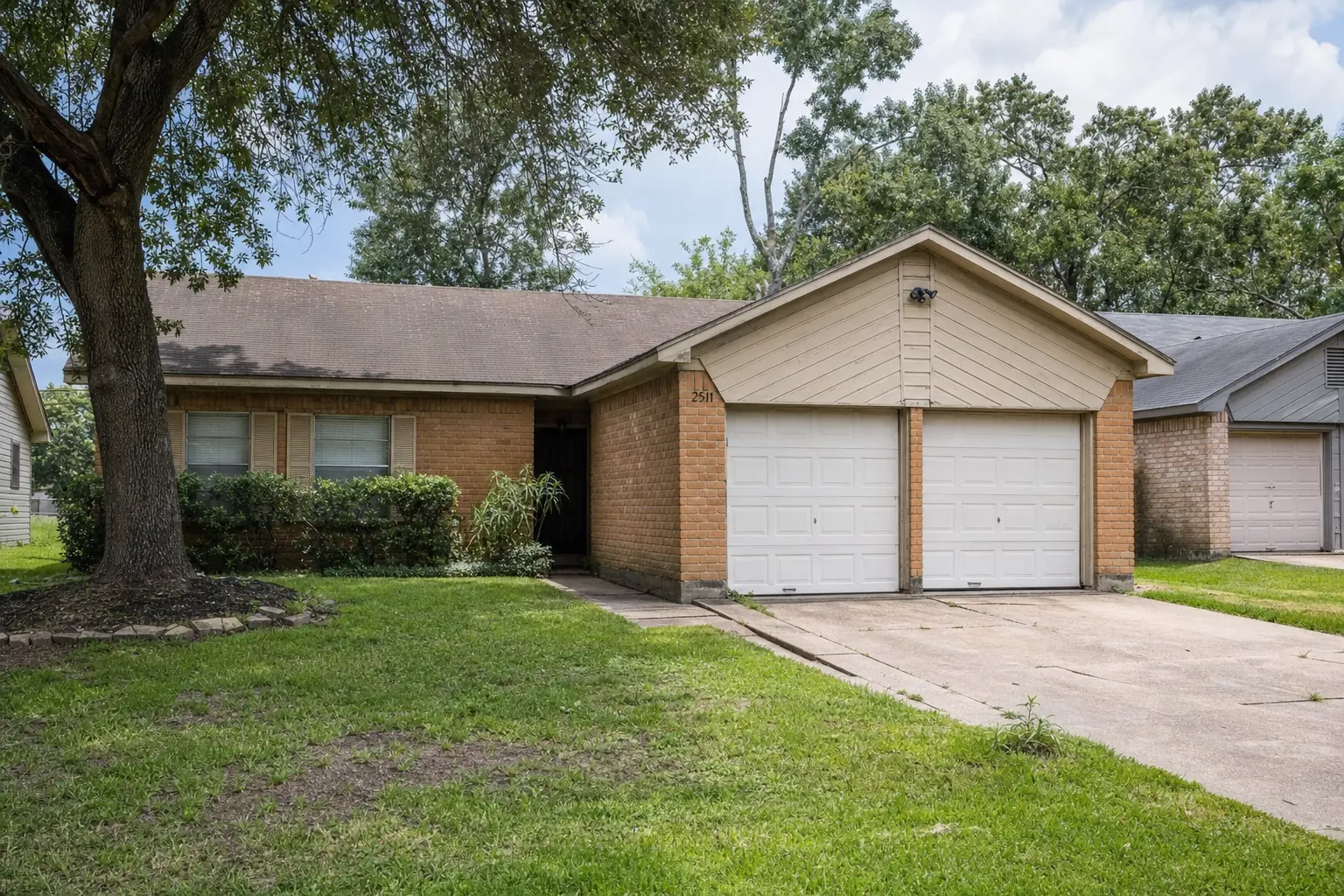
Most DSCR lenders accept single-family rentals, duplexes, and small multifamily properties as eligible collateral. Commercial or mixed-use assets typically fall into a separate underwriting category. Confirm your property type qualifies before spending time on an application — lenders who specialize in residential rental collateral may decline commercial structures outright.
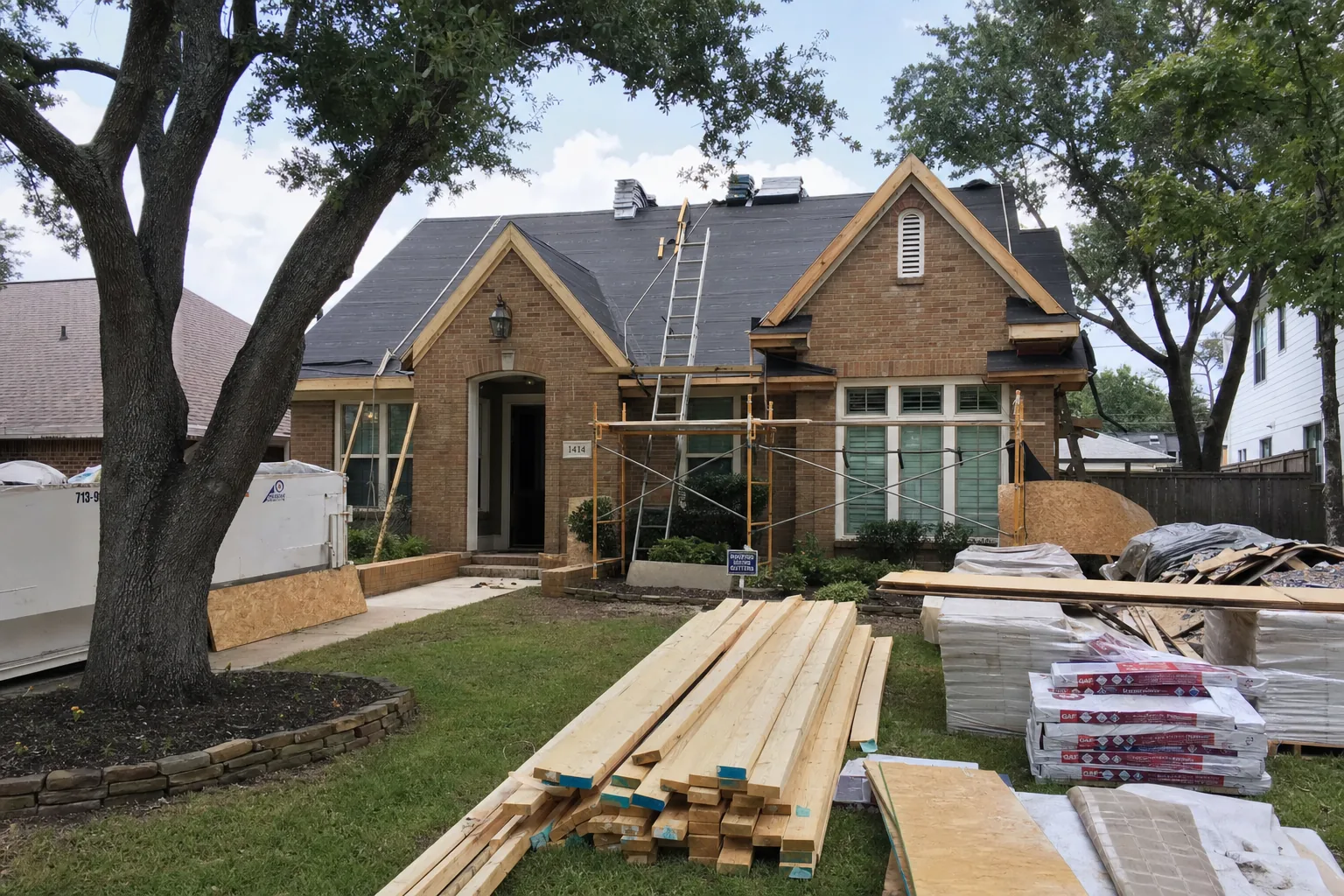
Condition is a threshold issue. DSCR lenders require a property to be rent-ready or already occupied. A property still mid-renovation does not meet the stabilization standard most DSCR products require. Confirm the lender's minimum condition standard early. A property with significant remaining work belongs in a bridge or rehab product, not a DSCR file.
Appraisal is where submarket specificity produces real consequences. An appraiser completing a 1007 rent schedule for a duplex in Montrose pulls comparable rentals from that submarket. Those comps do not apply to a property in a distant suburban ZIP code, and vice versa. Borrowers using citywide rent averages to model DSCR will produce a figure that diverges from what the appraiser actually delivers.
STR collateral adds a separate lender-policy question. Some lenders will not accept a property operated as a short-term rental as eligible collateral, regardless of income. Others require additional documentation or apply a different income treatment. Confirm the lender's STR collateral policy in writing before proceeding — this is a binary approval question, not a negotiation point.
Rates, Points, and Terms
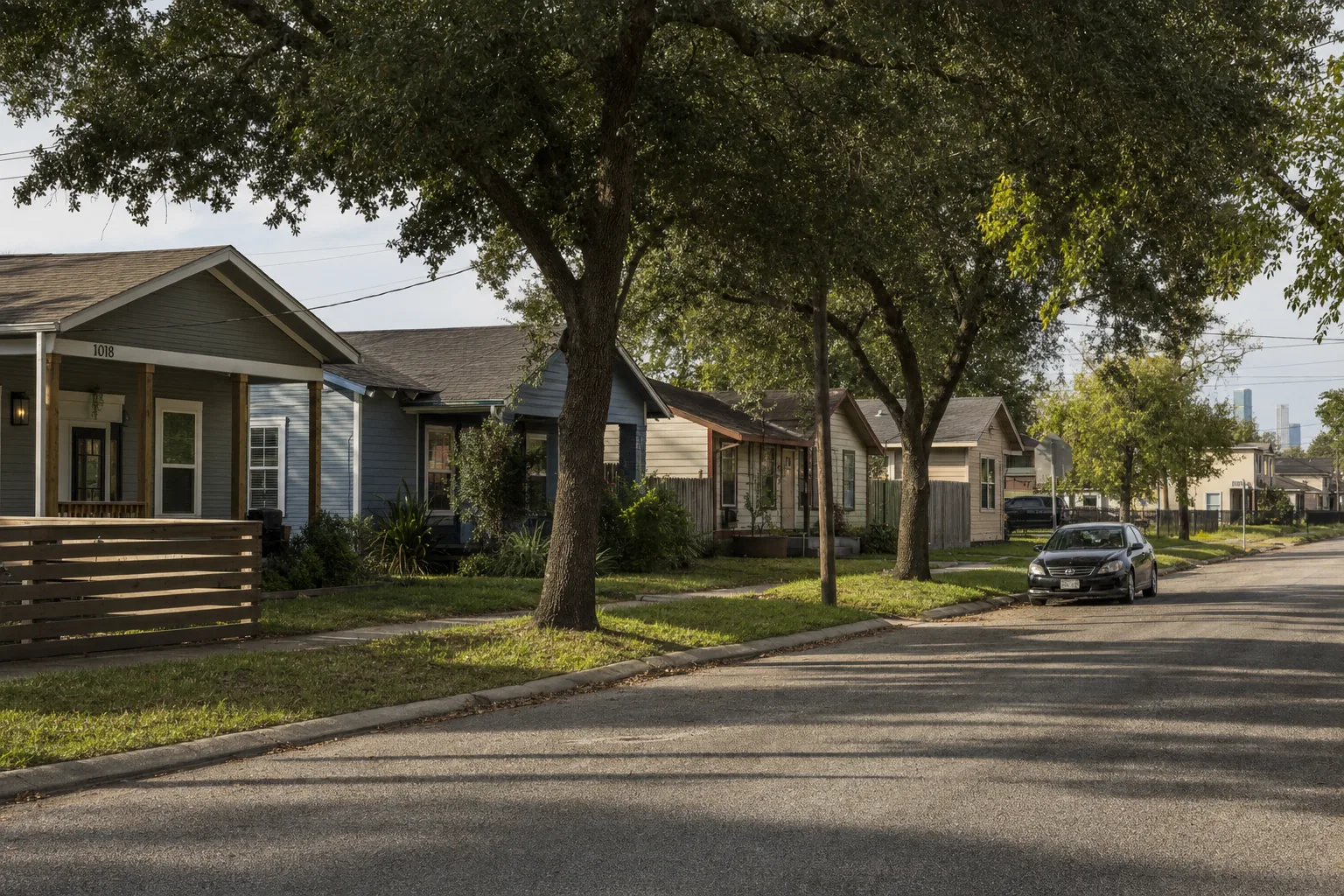
DSCR loans price differently than fix-and-flip bridge products. The term is typically 30 years, and repayment is structured around stabilized rental income rather than a short-term exit. Rate and fee levels vary by lender, property type, borrower profile, and local market conditions. Direct lender comparison is the only reliable way to determine what a specific Houston property will cost to finance.
Points are origination fees charged as a percentage of the loan amount at closing. DSCR lenders commonly quote a rate alongside points, and the combination determines actual cost. A lender offering a lower stated rate may charge more at origination. Comparing rate alone without accounting for points gives an incomplete cost picture.
Loan-to-value limits depend on property type and how a lender weighs the coverage ratio against collateral value. A duplex in Montrose and a single-family rental in a suburban submarket may face different maximum leverage, even from the same lender. Ask each lender what LTV it will approve at the property's appraised value — not a marketing maximum stated without property context.
Prepayment penalties and extension options both affect total cost on a rental hold. Many DSCR loans carry step-down prepayment penalties over the first several years, which trigger fees if a borrower sells or refinances early. Extension options define what happens when a rate resets or a term expires — and the conditions under which a borrower can extend affect long-term hold calculations. Request a written fee sheet covering rate, points, origination, prepayment structure, and extension terms before submitting any application.
Licensing and Verification
Texas does not require a general mortgage license for business-purpose loans on non-owner-occupied investment properties. Residential mortgage origination operates under a separate licensing framework. DSCR loans issued to investors for rental property are typically classified as business-purpose loans, which changes which regulatory requirements apply.
The Texas Department of Savings and Mortgage Lending oversees residential mortgage origination and publishes licensing information at sml.texas.gov. Some lenders offering DSCR products in Houston also originate residential loans and carry an NMLS number. Others operate exclusively on business-purpose loans and may not appear in NMLS at all.
Ask every lender directly whether it holds an NMLS registration and under what license type. If a lender provides an NMLS number, confirm it at NMLS Consumer Access before signing any agreement or paying any fees. A website describing credentials is not equivalent to regulator verification.
Houston attracts local lenders with Texas-market branding and national private lenders operating remotely. A local address does not automatically indicate better underwriting or deeper submarket knowledge. Request written confirmation of licensing status, the loan's business-purpose classification, and any applicable Texas disclosure requirements before submitting a full application. Those with clear regulatory standing answer those questions directly. Vague or evasive responses about registration status are a concrete reason to stop before proceeding.
When Hard Money Fits Better
DSCR loans require a stabilized, income-producing property. Before that point — when a Houston investor is acquiring a distressed SFR in Kashmere Gardens or gutting a duplex near EaDo — a hard money or fix-and-flip loan is the appropriate product. Those loans close faster, are structured around purchase price, rehab budget, and ARV, and are not designed to evaluate rental coverage ratios.
Ground-up construction follows the same logic. Draw schedules and inspection requirements built into construction financing have no equivalent in a DSCR product. Applying for the wrong product at the wrong project phase wastes time with lenders who specialize in one or the other.
Additional resources: Houston providers, provider directory, comparison guide.